
The Language of Licks: Why Your Canine Companion Can’t Stop Gifting You “Kisses”
The Language of Licks: Why Your Canine Companion Can’t Stop Gifting You “Kisses” Have you ever walked through the front…
23/05/2026 14:12
The digital world has recently been flooded with a striking viral warning: “Doctors warn: Limit eating these 4 foods immediately, they contain a lot of parasites.” Accompanied by vivid images of fresh seafood, raw delicacies, and regional specialties, these posts have sparked widespread anxiety among food enthusiasts. Is this just another piece of internet clickbait designed to generate shares, or does it hold a substantial, scientifically verified medical truth?
While the sensationalized headlines online might lean toward fear-mongering, the fundamental message aligns with a stark reality recognized by global public health authorities. Foodborne parasitic infections represent a major global health concern. According to data from the World Health Organization (WHO), foodborne pathogenic microorganisms, including complex multicellular organisms, affect millions of individuals annually, causing severe systemic illnesses that impact the gastrointestinal tract, central nervous system, and internal organs.
The primary driver behind this public health challenge is not necessarily the food itself, but rather the cultural culinary habits surrounding its preparation. The consumption of raw, undercooked, or improperly preserved dishes provides an open gateway for complex life cycles of biological invaders to enter the human body.
To protect your long-term wellness, it is crucial to look past the social media hype and examine the actual empirical evidence. This comprehensive, expert-reviewed guide explores the specific items frequently highlighted by medical professionals, analyzing the biological agents involved, their impact on human physiology, and the evidence-based preparation methods required to eliminate risk.
Before identifying the high-risk culinary items, it is essential to understand what these biological threats are and how they interact with the human body. Unlike single-celled bacteria that rapidly multiply in temperate environments, foodborne organisms often utilize complex life cycles involving multiple animal hosts. Humans frequently become accidental hosts when they ingest these organisms during specific developmental stages.
Many microscopic organisms exist as eggs or protective larval cysts embedded within the muscle tissue, organs, or circulatory systems of aquatic life and terrestrial livestock. When a human consumes these tissues without applying sufficient thermal energy to denature the biological proteins, the protective wall of the cyst is dissolved by human gastric juices.
Once liberated within the digestive tract, these organisms can:
Attach themselves firmly to the intestinal lining using specialized hooks or suckers to absorb vital nutrients directly from the host.
Penetrate the mucosal barrier of the intestinal wall, entering the bloodstream or lymphatic system to migrate toward distant anatomical sites, including the liver, skeletal muscles, lungs, and brain.
Develop into mature adults, reproducing and depositing thousands of eggs that continue to degrade internal organ function.
One of the most insidious characteristics of these infections is their prolonged, asymptomatic or subclinical incubation period. Unlike bacterial food poisoning, which typically manifests as acute gastrointestinal distress within hours of consumption, a biological infestation can progress silently for weeks, months, or even years.
Early symptoms are often non-specific, presenting as chronic fatigue, mild abdominal discomfort, unexplained weight changes, or localized muscle soreness. Because these symptoms mirror common everyday ailments, many individuals remain undiagnosed until severe, irreversible organ damage or neurological complications occur.
Medical specialists, epidemiologists, and food safety experts consistently point to four specific categories of culinary items that carry the highest statistical probability of harboring dangerous biological organisms when consumed raw or undercooked.
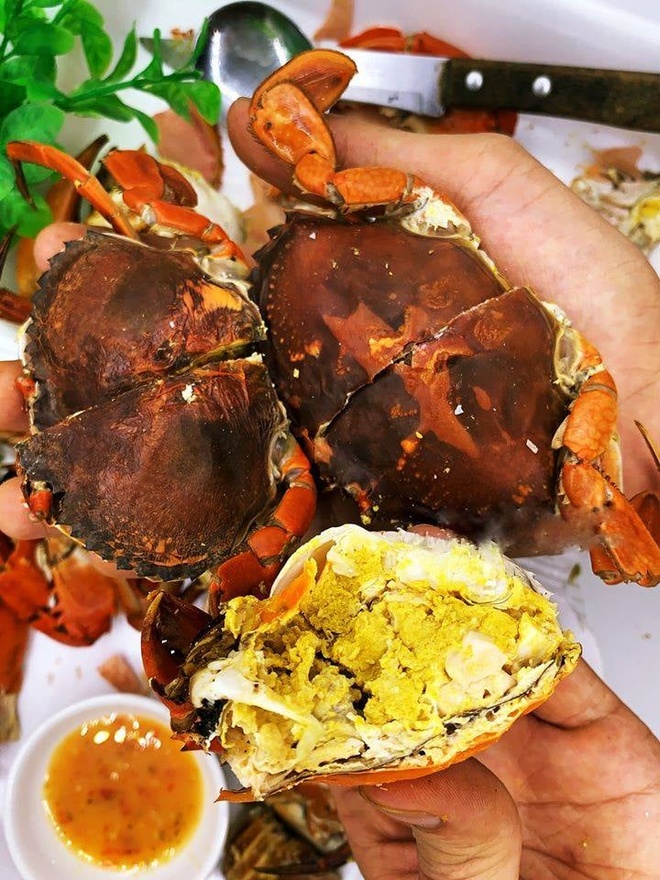
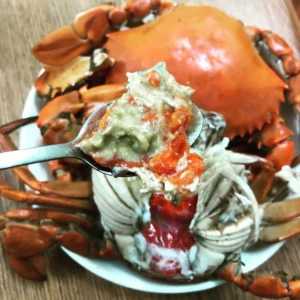
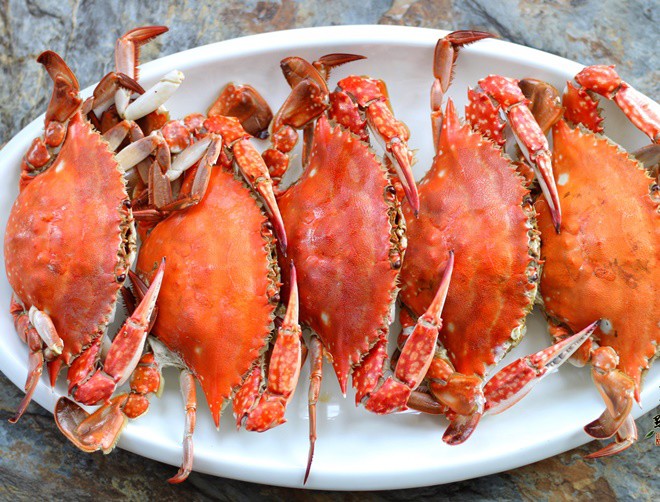
As illustrated in many viral online posts, freshwater shellfish—specifically river crabs, crayfish, prawns, and various species of snails—are primary vectors for highly destructive biological organisms.
| Aquatic Vector | Primary Biological Threat | Major Target Organs | Primary Clinical Manifestations |
| Freshwater Crabs & Crayfish | Paragonimus spp. (Lung Fluke) | Lungs, Respiratory Tract, Central Nervous System | Chronic cough, hemoptysis (coughing up blood), chest pain, pleural effusion, and neurological deficits. |
| Freshwater Snails & Slugs | Angiostrongylus cantonensis (Rat Lungworm) | Meninges, Brain, Central Nervous System | Eosinophilic meningitis, severe cephalalgia (headaches), neck stiffness, paresthesia, and visual disturbances. |
Freshwater crustaceans serve as secondary intermediate hosts for Paragonimus species. When individuals consume raw, marinated, or lightly salted freshwater crabs (such as traditional drunken crabs or raw crab paste matrices), they ingest live metacercariae.
Once inside the human duodenum, the larvae emerge, bore through the intestinal wall, traverse the peritoneal cavity, and penetrate the diaphragm to colonize the lungs. Within the pulmonary parenchyma, they encapsulate and mature into adult worms, leading to chronic inflammatory responses that mimic the symptoms of pulmonary tuberculosis.
Snails and slugs often ingest the larvae of Angiostrongylus cantonensis through environmental contamination. If these gastropods are consumed raw or undercooked—or if raw vegetables contaminated with their mucus are ingested—the larvae travel through the human digestive system and migrate directly to the central nervous system. This causes eosinophilic meningitis, a severe inflammatory condition of the brain’s protective membranes that can lead to permanent neurological impairment or fatalities.
While marine fish used in premium sashimi grades undergo strict, ultra-low temperature freezing protocols designed to neutralize biological threats, freshwater fish present an entirely different, high-risk biological profile.
[Infected Freshwater Fish] ---> [Ingestion of Raw/Undercooked Flesh] ---> [Gastric Dissolution of Cysts] ---> [Migration to Common Bile Duct] ---> [Chronic Inflammation & Hyperplasia] ---> [Potential Cholangiocarcinoma]
Freshwater fish species, including carp and tilapia raised in traditional aquaculture systems, are common intermediate hosts for liver flukes. Dishes featuring raw freshwater fish salads, lightly ceviche-style marinated strips, or undercooked grilled preparations frequently harbor infectious metacercariae.
Upon ingestion, these larvae travel to the duodenum and ascend through the ampulla of Vater into the common bile duct and intrahepatic bile ducts. Here, they mature into adult flukes, living off the epithelial secretions of the biliary system. A chronic infection can persist for decades, causing structural damage to the liver parenchyma.
Over time, this continuous mechanical irritation and localized chemical inflammation can trigger adenomatous hyperplasia, advanced biliary cirrhosis, and a markedly increased risk of developing cholangiocarcinoma (a lethal form of bile duct cancer).
The consumption of raw or inadequately heated mammalian muscle tissue and internal organs represents a direct transmission pathway for some of the largest and most systemic biological organisms known to medicine.
Undercooked pork products are notorious vectors for Taenia solium. When a person consumes pork containing viable larval cysts (often referred to as “measly pork”), the organism develops into an adult tapeworm in the human intestine, growing up to several meters in length.
However, a far more severe medical condition occurs via autoinfection or the ingestion of Taenia solium eggs through fecal-oral contamination. In these instances, the larvae hatch in the stomach, penetrate the intestinal lining, and travel via the bloodstream to form cysts throughout the body’s soft tissues.
Neurocysticercosis: When these larval cysts lodge themselves within the cerebral cortex, ventricles, or meninges of the human brain, they become a leading cause of acquired epilepsy, hydrocephalus, increased intracranial pressure, and severe cognitive decline worldwide.
Commonly found in domestic pigs, wild boars, and game meat, Trichinella larvae reside within protective cysts in skeletal muscle tissue. Ingesting undercooked meat allows these larvae to mature in the intestines, mate, and produce new larvae that migrate through the circulatory system into human muscle cells. This migration triggers intense systemic reactions, including severe myositis (muscle inflammation), periorbital edema (swelling around the eyes), high fevers, and potential myocardial damage.
This microscopic protozoan forms tissue cysts in the muscles and organs of livestock, particularly sheep, pigs, and cattle. Consuming rare steaks, undercooked lamb chops, or raw organ delicacies can introduce these tissue cysts into the human body. While healthy adults may experience mild flu-like symptoms or remain entirely asymptomatic, the pathogen can remain dormant in tissues for life.
For immunocompromised individuals or pregnant women, an active infection poses severe risks, including congenital birth defects, neurological damage to the fetus, or acute encephalitis.
It is a common misconception that biological foodborne threats are exclusively restricted to animal products. Plant-based agricultural products can carry significant biological risks if they are cultivated in environments exposed to contaminated water or untreated organic fertilizers.
Giant Liver Flukes (Fasciola hepatica): This large fluke utilizes freshwater snails to produce free-swimming larvae that encyst on the stems and leaves of aquatic plants, such as watercress, water spinach, and wild lotus roots. When humans harvest these plants and consume them raw in salads or as garnishes, the cysts break open in the intestine, and the larvae migrate directly through the peritoneal cavity into the liver tissue.
Intestinal Roundworms (Ascaris lumbricoides): The eggs of these large roundworms are highly resilient and can survive in soil for extended periods. If agricultural produce is grown using improper fertilization techniques or unmonitored irrigation water, the outer surfaces of root vegetables and leafy greens become heavily contaminated. Consuming these items without meticulous washing allows the eggs to enter the digestive tract, where they hatch into worms that can cause mechanical intestinal blockages and nutritional deficiencies.
The physiological toll of chronic foodborne infestations extends far beyond temporary stomach discomfort. Because these organisms are adapted to survive long-term within a host, they develop sophisticated mechanisms to evade the human immune system, causing chronic, progressive systemic damage.
Intestinal parasites actively compete with the human host for micronutrients and macronutrients. For example, the broad fish tapeworm (Diphyllobothrium latum) has an high affinity for vitamin B12, often absorbing up to 95% of the host’s dietary intake. This direct competition can result in severe vitamin B12 deficiency and macrocytic anemia.
Simultaneously, the physical attachment of these organisms to the mucosal lining causes localized villous atrophy, blunting the surface area of the small intestine and impairing the body’s capacity to absorb essential fats, proteins, and carbohydrates.
As seen with neurocysticercosis and rat lungworm infections, the presence of biological larvae within the brain tissue triggers a profound inflammatory response. As the human immune system attempts to wall off the foreign organisms, it forms calcified granulomas and dense fibrous capsules.
These space-occupying lesions disrupt normal bioelectrical pathways in the brain, leading to sudden-onset seizures, focal neurological deficits, cognitive impairment, and obstructive hydrocephalus.
One of the primary diagnostic indicators of a systemic biological invasion is persistent eosinophilia—a marked elevation in a specific class of white blood cells known as eosinophils. Eosinophils are specialized immune cells designed to combat large, multicellular pathogens by degranulating and releasing cytotoxic proteins.
While this immune response is intended to destroy the invader, chronic degranulation can cause collateral damage to healthy host tissues, leading to systemic vasculitis, localized tissue necrosis, and persistent allergic-like hypersensitivity reactions.
Preventing foodborne parasitic infections does not require you to completely eliminate your favorite foods. Instead, it involves adopting strict, scientifically proven food handling and thermal processing techniques that break the transmission cycle of these organisms.
Applying precise internal temperatures is the most reliable way to neutralize biological threats. Thermal energy denatures the structural proteins and essential enzymes within larval cysts, rendering them permanently non-infectious.
The table below outlines the minimum internal temperatures recommended by food safety authorities to ensure complete biological safety:
| Food Commodity Type | Minimum Internal Core Temperature | Recommended Visual/Structural Indicators |
| Whole Cuts of Mammalian Meat (Beef, Veal, Lamb, Pork) | 145°F (63°C) with a 3-minute rest period | Tissues change color uniformly; juices run completely clear. |
| Ground Meats and Fresh Sausage Formulations | 160°F (71°C) | No residual pink coloration remaining in the core matrix. |
| All Poultry Products (Chicken, Duck, Turkey, Wild Game) | 165°F (74°C) | Fibers separate easily; no blood traces near bone joints. |
| Freshwater Fish and Finfish Varieties | 145°F (63°C) | Flesh becomes opaque and flakes easily with a fork. |
| Crustaceans and Shellfish (Crabs, Shrimps, Lobsters) | 145°F (63°C) or until shells turn red | Flesh turns completely pearly, opaque, and firm throughout. |
Critical Safety Note: Relying on visual assessments alone can be deceptive. Using a calibrated digital meat thermometer inserted into the thickest section of the food item is the only definitive way to confirm that these safe internal temperatures have been reached.
For culinary preparations where raw or partially cooked fish is preferred (such as traditional sushi or sashimi), commercial-grade freezing protocols can successfully eliminate biological threats. However, standard residential home freezers typically lack the cooling capacity to reach these necessary temperatures quickly enough to guarantee safety.
To ensure the destruction of pathogenic organisms like Anisakis or tapeworm larvae, food safety regulations require commercial entities to follow one of these specific freezing protocols:
[Option A] Keep at -4°F (-20°C) or colder for a minimum of 7 consecutive days.
[Option B] Freeze to -31°F (-35°C) or colder until solid, then store at -31°F (-35°C) for 15 hours.
[Option C] Freeze to -31°F (-35°C) or colder until solid, then store at -4°F (-20°C) for 24 hours.
There are several persistent myths surrounding food preparation that can give people a false sense of security, leading them to inadvertently consume viable pathogens.
A very common misconception is that marinating raw seafood or meat in high-acidity citrus juices (like lemon or lime juice in ceviche), concentrated alcohol, hot hot sauces, or heavy mixtures of garlic and chili will kill any hidden organisms.
The Reality: While these culinary liquids can denature surface proteins and kill certain surface bacteria, they are completely ineffective against deeply embedded larval cysts. The protective walls of these cysts are specifically adapted to survive the highly acidic environment of mammalian stomach acids. As a result, marinating foods in vinegar, alcohol, or lime juice will not make raw freshwater fish or crabs safe to eat.
Many people believe that if they carefully inspect a piece of meat or seafood and see no visible signs of worms, the food is safe to consume raw.
The Reality: While mature adult worms are sometimes visible to the naked eye, the early infectious stages of these organisms—such as metacercariae, protozoan cysts, and microscopic eggs—are completely invisible without a microscope. A clean-looking piece of raw freshwater fish or crab can easily contain hundreds of infectious larvae hidden deep within its muscle fibers.
Some believe that quickly rinsing aquatic vegetation like watercress or water spinach in a light saline solution or water mixed with lime juice will safely remove any lingering flukes.
The Reality: The larval stages of giant liver flukes (Fasciola hepatica) produce a highly resilient, sticky protective coating that allows them to adhere firmly to the cell walls of aquatic plants. A simple wash or brief soak will not dislodge them. The only dependable way to make these aquatic plants safe is to cook them thoroughly, or to harvest them from strictly monitored, completely uncontaminated water sources.
Maintaining excellent food safety in your home requires consistent habits and clean kitchen practices. Implementing these key protocols will help safeguard your household from foodborne illnesses:
Cross-contamination occurs when raw, contaminated juices come into contact with foods that are ready to eat, such as salads or cooked dishes. To prevent this, use dedicated cutting boards and knives for raw meats and seafood, keeping them completely separate from boards used for fresh produce and bread.
Additionally, be sure to wash all knives, utensils, and countertops thoroughly with hot, soapy water immediately after they come into contact with raw animal proteins.
For terrestrial vegetables and fresh leafy greens, submerge them completely in clean, running water, agitation-washing them to physically loosen and remove any lingering soil particles or organic residues.
For firm root vegetables like carrots, radishes, and potatoes, use a clean vegetable brush to scrub the outer skin under running water, or peel the outer layers entirely to eliminate surface-bound eggs and cysts.
When organizing your refrigerator, store raw meats, poultry, and seafood on the lowest shelves. This setup prevents any raw juices from dripping onto and contaminating items on the shelves below.
Furthermore, ensure your refrigerator consistently maintains an internal temperature below 40°F (4°C) to slow the growth of any bacterial pathogens that may be present.
If you suspect you have consumed undercooked or raw foods from high-risk categories and are concerned about a potential foodborne illness, it is important to monitor your health closely. Contact a healthcare provider if you experience any of the following persistent symptoms:
Unexplained, chronic gastrointestinal distress, including ongoing abdominal cramping, bloating, nausea, or intermittent diarrhea.
A persistent, unexplained cough, shortness of breath, or chest discomfort, especially after eating raw or undercooked freshwater crustaceans.
Unexplained muscle pain, tenderness, or swelling, particularly accompanied by a persistent fever or swelling around the eyes.
Neurological changes, such as new, severe, or worsening headaches, stiff neck, dizziness, or localized numbness and tingling.
Significant, unintended weight loss or chronic fatigue that does not improve with rest.
Modern medical science provides highly effective diagnostics, including advanced stool evaluations, serological antibody testing, and high-resolution imaging studies, to accurately identify these infections. When caught early, most foodborne parasitic infections can be fully treated and resolved with targeted prescription medications.
The viral warnings circulating online about parasites in common foods are grounded in genuine public health science. High-risk items—including freshwater crustaceans, raw aquaculture fish, undercooked terrestrial meats, and unwashed aquatic plants—can harbor biological pathogens capable of causing serious health issues.
However, protecting yourself does not mean you have to stop enjoying diverse foods. By understanding how these organisms are transmitted and committing to proper kitchen hygiene, precise thermal cooking, and verified freezing practices, you can completely neutralize these hidden biological risks. Ultimately, taking a thoughtful, informed approach to food preparation is the most effective way to protect your long-term health and wellness.
The Language of Licks: Why Your Canine Companion Can’t Stop Gifting You “Kisses” Have you ever walked through the front…
The digital world has recently been flooded with a striking viral warning: “Doctors warn: Limit eating these 4 foods immediately,…

Have you ever paused to glance into the toilet bowl before flushing? It might not be the most glamorous habit,…

The Ultimate Guide to the Loquat Fruit Introduction: The Mysterious Golden Fruit Have you ever stumbled across a vibrant, golden-orange…
A parent recently shared a disturbing photo online after discovering a strange curled object hidden under her son’s bed while…
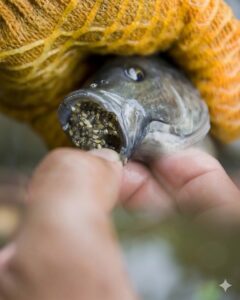
Tilapia has long been one of the most commonly eaten fish in many countries because it is cheap, easy to…