The Natural Path to Thicker Hair: Onion Oil Uncovered
Are you tired of looking at thinning hair in the mirror and wishing for a magic solution? The remedy might…
22/05/2026 17:39
Fermented greens have been a staple on dining tables across various cultures for centuries. From the tangy crunch of pickled mustard greens to the savory depth of traditional kimchi, these side dishes add a burst of flavor to any meal. However, recent viral social media discussions have sparked intense concern regarding the safety of these beloved accompaniments.
Reports detailing severe health scares—such as individuals experiencing oxygen deprivation, skin turning blue or purple, and sudden systemic distress after consuming certain vegetable dishes—have left home cooks questioning their culinary habits.
Are these traditional foods inherently hazardous, or does the issue stem from improper preparation and storage? To understand the underlying risks, it is essential to examine the biological and chemical processes that occur during vegetable preservation, specifically focusing on the transition from nitrates to potentially hazardous compounds.

To understand why a simple dish of preserved greens can sometimes lead to an emergency room visit, one must explore the fundamental chemistry of plant life. Vegetables naturally absorb nitrates from the soil, using them as essential nutrients to build proteins and grow. Under normal circumstances, these nitrates are completely harmless to human health.
However, the environment changes dramatically once a vegetable is harvested, chopped, cooked, or placed into a fermentation jar.
When fresh greens are left at room temperature or subjected to improper fermentation environments, specific strains of bacteria begin to proliferate. These microorganisms possess an enzyme known as nitrate reductase. This enzyme actively strips oxygen molecules away from harmless nitrates, converting them into a highly reactive compound known as nitrite.
A similar phenomenon occurs with cooked leafy greens that are stored improperly. When vegetables are cooked, their natural enzymes are inactivated. However, if the dish is left sitting at room temperature for an extended period, ambient bacteria can contaminate the food. These bacteria rapidly multiply, utilizing the available nitrates and generating high concentrations of nitrites within the dish over the span of just a few hours.
When an individual consumes a dish containing excessively high levels of nitrites, the compound enters the bloodstream and interacts directly with red blood cells. This interaction triggers a specific condition that compromises the body’s ability to distribute oxygen effectively.
The primary function of hemoglobin within red blood cells is to bind with oxygen in the lungs and deliver it to vital tissues and organs. Hemoglobin relies on iron molecules to perform this task. When nitrites enter the circulatory system, they oxidize the iron within the hemoglobin, shifting it from its functional state to an altered state.
This modified molecule is known as methemoglobin. Unlike normal hemoglobin, methemoglobin is completely incapable of binding with or transporting oxygen.
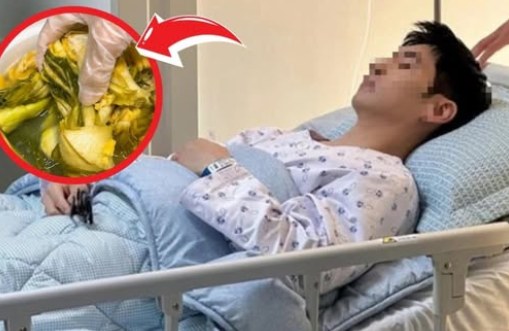
As more hemoglobin molecules are converted into methemoglobin, the oxygen-carrying capacity of the blood plummets. This state of internal oxygen deprivation is clinically referred to as methemoglobinemia.
Because the tissues are starved of oxygen, the blood loses its bright red coloration, turning a dark, brownish-blue hue. This internal change manifests visually through the skin, causing a striking blue or purple discoloration known as cyanosis, which is most prominent around the lips, fingertips, and nail beds.
The onset of symptoms following the consumption of high-nitrite foods can be incredibly rapid, often developing within minutes to a few hours. The severity of the reaction depends entirely on the concentration of the compound ingested and the percentage of hemoglobin that has been altered.
In the early or mild stages of a reaction, an individual may experience non-specific symptoms that are easily mistaken for everyday fatigue or a mild illness. These include:
A persistent, dull headache
Unusual fatigue or lethargy
Mild dizziness or lightheadedness
A noticeable paleness or a faint grayish tint to the skin
As the levels of non-functional hemoglobin escalate, the body enters a state of critical oxygen crisis. Immediate medical intervention becomes necessary when the following symptoms manifest:
Pronounced Cyanosis: A distinct purple or bluish coloration spreading across the entire body, face, and extremities.
Respiratory Distress: Severe shortness of breath, rapid breathing, or a feeling of suffocation even while at rest.
Neurological Impairment: Profound confusion, disorientation, severe vertigo, or a sudden loss of consciousness.
Cardiovascular Strain: A dangerously rapid heart rate or a precipitous drop in blood pressure, leading to cardiovascular shock.
The risks associated with preserved vegetables do not mean these traditional foods must be eliminated from the diet entirely. Instead, safety relies heavily on adhering to precise preparation, fermentation, and storage protocols to prevent harmful bacterial overgrowth.
During a proper, healthy fermentation process, beneficial lactic acid bacteria thrive. These good bacteria produce lactic acid, which rapidly lowers the pH level of the mixture, making it highly acidic. This acidic environment naturally inhibits the growth of harmful, nitrite-producing bacteria.
To ensure a safe fermentation cycle, consider the following timeline and practices:
| Fermentation Stage | Chemical Environment | Safety Status |
| Days 1–3 (Early) | Low acidity, initial bacterial activity | High Risk: Nitrite levels peak sharply during this initial phase as wild bacteria convert nitrates. Avoid consuming greens at this stage. |
| Days 7–14 (Peak) | High acidity, low pH level | Safe: Lactic acid accumulates, destroying harmful bacteria and causing nitrite levels to degrade significantly. |
| Extended Storage | Stable acidic environment | Safe: Keep refrigerated to maintain freshness and prevent mold formation. |
To minimize risks when preparing and handling vegetables, integrate these vital safety strategies into your kitchen routine:
Avoid Short-Term Pickling: Never consume home-pickled greens that have only been curing for a day or two. Allow the fermentation process to complete fully (typically at least one to two weeks) so that the acid levels can neutralize any accumulated nitrites.
Utilize Proper Temperature Controls: Refrigeration is the most effective tool for slowing down bacterial replication. Never leave cooked vegetable dishes or freshly opened jars of pickles sitting on the counter at room temperature for more than two hours.
Maintain Strict Kitchen Hygiene: Ensure that all jars, utensils, and preparation surfaces are thoroughly cleaned and sanitized before beginning the preservation process to avoid introducing unwanted bacterial strains.
Discard Questionable Food: If a batch of pickled greens exhibits an unusual odor, an excessively slimy texture, or unexpected discoloration, discard it completely. Do not attempt to salvage questionable preserves.
By understanding the underlying science of food preservation and maintaining strict hygiene standards, you can continue to enjoy traditional fermented side dishes while safeguarding the wellness of your household.
Are you tired of looking at thinning hair in the mirror and wishing for a magic solution? The remedy might…

Is the Answer NOT 6? The Real Math Behind the Viral Formula Viral Math Problem Solved: Is It Really 6?…

Discover Your Inner Radiance: What Does Your Favorite Nail Style Say About You? Have you ever wondered why you gravitate…
Most people think nail clippers are one of the simplest tools ever made. You press, clip your nails, and that’s…
The Truth Behind the Viral Social Media Post A circulating social media post claims that two specific parts of a…

The Dark Side of Fermented Sides: A Deep Dive Into Food Wellness Fermented greens have been a staple on dining…