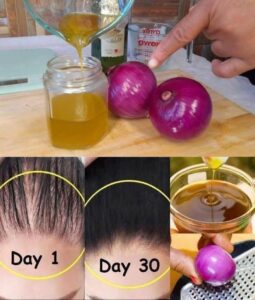
The Natural Path to Thicker Hair: Onion Oil Uncovered
Are you tired of looking at thinning hair in the mirror and wishing for a magic solution? The remedy might…
22/05/2026 17:39
Healthy eating requires looking closely at how our daily food is stored.
Fermented foods and traditional preserves are staple items in cuisines worldwide, celebrated for their unique flavors and probiotic benefits. When shopping at local traditional markets, it is common to see large batches of these products displayed in bulk. However, the vessels used to store and age these items play a critical role in food safety.
While buying fresh, local produce supports community vendors, consumers must remain vigilant about the hidden chemical and biological hazards associated with improper storage containers. Understanding these risks is essential for protecting long-term health.

To understand why certain containers pose a threat, it is necessary to examine the natural science behind food preservation. The process relies heavily on high acidity or high salinity to create an environment where harmful pathogens cannot survive.
During the preservation process, natural sugars in vegetables are converted into organic acids, primarily lactic acid. This lowers the pH level of the solution, often bringing it down to a range between 3.5 and 4.5. While this acidity is excellent for preventing spoilage, it makes the liquid highly reactive with its immediate environment.
When an acidic liquid remains in prolonged contact with an unstable material, a process called leaching occurs. The acid acts as a solvent, breaking down the chemical bonds of the container’s inner surface and pulling microscopic particles into the food. This means that whatever the container is made of, consumers will ultimately ingest.

One of the most frequent sights in informal markets is the use of large plastic buckets to hold bulk food items. While these containers are durable and cheap, they are rarely designed for food contact.
Plastics are categorized by numbers and grades. Food-grade plastic is manufactured under strict quality controls to ensure it does not release harmful stabilizers or colorants. Conversely, industrial buckets—such as those originally used for paint, construction adhesives, or chemical cleaners—are made from non-food-grade polymers. Even after thorough washing, the porous nature of plastic means industrial chemical residues can remain trapped inside the material, gradually bleeding into the food over time.
To make industrial plastics durable and flexible, manufacturers add various chemical compounds, including phthalates and heavy metal stabilizers. When exposed to acidic food solutions, these chemicals break free.
Hormonal Disruptors: Many plasticizers mimic natural hormones in the body, leading to gradual endocrine imbalances over prolonged exposure.
Heavy Metals: Industrial containers may contain traces of lead, cadmium, or organotins used during the manufacturing process, which accumulate in human tissue over time.
Beyond chemical leaching, the physical condition and placement of storage containers in open-air markets introduce significant biological risks.
+------------------------+---------------------------------------------------------+
| Risk Factor            | Health Impact                                           |
+------------------------+---------------------------------------------------------+
| Micro-scratches        | Trap harmful bacteria that survive standard washing     |
| Poorly fitting lids    | Allow airborne dust, debris, and insects to enter       |
| Floor-level placement  | Increases exposure to splash water and ground pests     |
+------------------------+---------------------------------------------------------+
Plastic scratches easily. When vendors use metal utensils to scoop out food, they create thousands of microscopic grooves on the inside of the container. These micro-scratches become breeding grounds for biofilms—layers of bacteria that stick to surfaces and resist basic cleaning. Over time, harmful pathogens can establish a permanent presence in the container.
As seen in many busy marketplaces, storage containers are frequently placed directly on the ground or left partially uncovered. This exposes the food to several environmental hazards:
Airborne Particulates: Road dust, vehicle exhaust, and airborne mold spores can easily settle into open containers.
Cross-Contamination: Ground-level placement makes the containers vulnerable to splashes from cleaning water or foot traffic nearby.
Pest Access: Inadequate lids invite insects, which act as vectors for various unwanted microorganisms.
Consumers do not need to avoid traditional markets entirely; instead, they should learn how to identify vendors who prioritize hygiene and safe material selection.
The safest containers for acidic or salty food items are made from completely inert materials that do not react with acids. When browsing a market, look for vendors utilizing:
Glass Jars: Glass is non-porous and completely non-reactive, making it the gold standard for acidic food storage.
High-Grade Stainless Steel: Food-grade stainless steel resists acid corrosion and is easy to sanitize thoroughly.
Certified Food-Grade Ceramic: Traditional glazed ceramics are excellent, provided the glaze is certified lead-free.
A vendor’s handling habits speak volumes about their commitment to safety. Always check for the following positive signs:
Elevated Display: Food containers should be placed on tables or raised platforms, never directly on the floor.
Secure Coverings: Containers should remain tightly covered with proper lids when not actively serving customers.
Dedicated Utensils: Vendors should use clean, stainless steel or food-grade plastic tongs and ladles to handle the food, rather than reusing disposable items.
Protecting your wellness starts with paying attention to the details of how your food is handled before it reaches your plate. By recognizing the visual warning signs of improper storage—such as reused industrial buckets, scratched plastics, and exposed containers—you can make informed purchasing decisions that safeguard your household. Supporting vendors who invest in proper, food-safe equipment ensures you can enjoy traditional flavors without compromising your health.
Are you tired of looking at thinning hair in the mirror and wishing for a magic solution? The remedy might…

Is the Answer NOT 6? The Real Math Behind the Viral Formula Viral Math Problem Solved: Is It Really 6?…

Discover Your Inner Radiance: What Does Your Favorite Nail Style Say About You? Have you ever wondered why you gravitate…
Most people think nail clippers are one of the simplest tools ever made. You press, clip your nails, and that’s…

The Truth Behind the Viral Social Media Post A circulating social media post claims that two specific parts of a…

The Dark Side of Fermented Sides: A Deep Dive Into Food Wellness Fermented greens have been a staple on dining…