Keep Your Lower Body Ageless After 50 With 3 Essential Movements
Introduction: Why Your Lower Body Holds the Secret to Longevity
As the years pass, the way we look at physical fitness inevitably changes. In our youth, working out is often about aesthetics or pushing limits. However, crossing the milestone of 50 marks a shift in priorities. It becomes less about lifting the heaviest weight in the room and much more about maintaining personal freedom, structural integrity, and long-term vitality.
The lower body serves as the literal foundation of your entire physical structure. Every critical daily task—whether it is rising from a deep armchair, walking up a flight of stairs, lifting heavy groceries from the trunk, or keeping your footing on an uneven sidewalk—relies entirely on the strength and stability of your legs.
Unfortunately, biological changes speed up during this stage of life. If left unaddressed, the body naturally experiences a gradual decline in skeletal muscle mass and bone density. The primary consequence of this decline is not just a change in physical shape; it is a loss of function, an increased risk of stumbles, and structural stiffness that can make daily life feel restricted.

The encouraging truth is that your muscles remain highly adaptable at any age. You do not need an exhaustive, complex gym routine to protect your movement patterns. By focusing your energy on just 3 essential, functional leg movements, you can actively preserve joint integrity, build foundational stability, and maintain your physical independence for decades to come.
The Biological Reality: What Happens to Our Legs After 50?
To understand why target training is so essential, it helps to look at the underlying physiology of aging. Starting in our thirties, the body begins to lose muscle mass naturally, a process known as sarcopenia. Once you pass 50, this rate of loss can accelerate significantly if it is not actively countered with resistance training.
1. The Loss of Fast-Twitch Fibers
Muscles are composed of two main types of fibers: slow-twitch (used for endurance) and fast-twitch (used for power, speed, and quick reactions). As we mature, the decline occurs predominantly in our fast-twitch muscle fibers.
Why does this matter for daily life? Fast-twitch fibers are what fire when you misstep on a curb and need to quickly adjust your foot to prevent a fall. Training your lower body helps preserve these reactive pathways, serving as your primary defense against balance issues.
2. Changes in Joint Structure and Lubrication
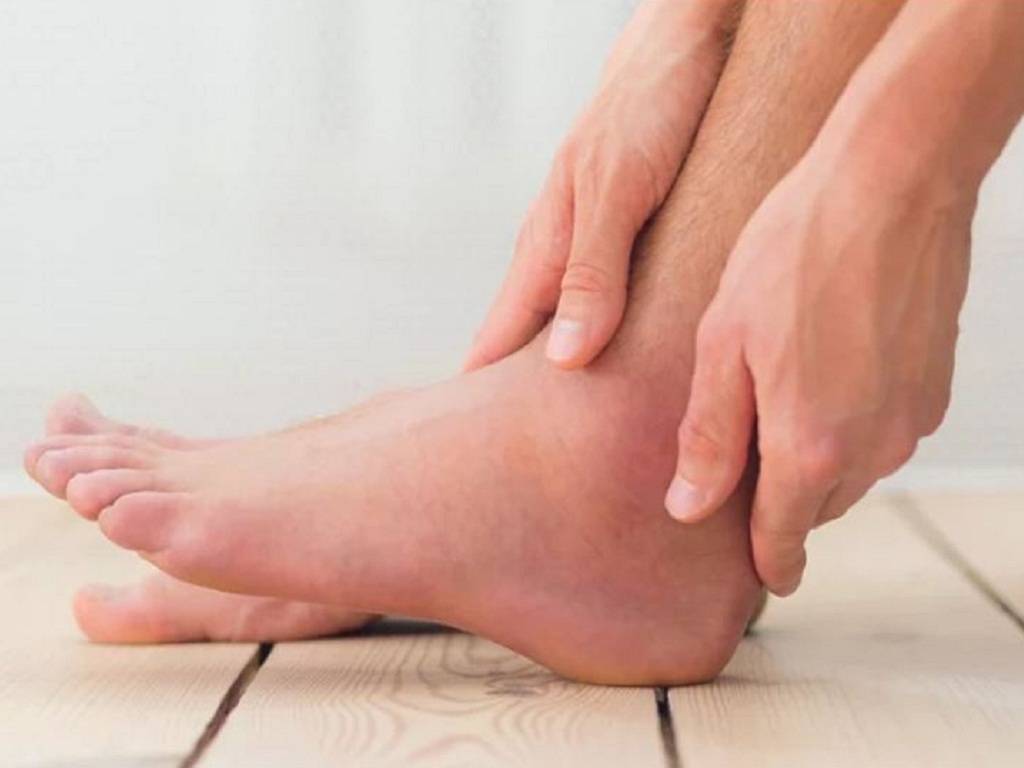
With age, the cartilage that cushions joints can thin, and the production of synovial fluid—the body’s natural joint lubricant—can decrease. This often results in that familiar morning stiffness in the knees and hips.
Controlled movement is the solution here. Because joints do not have a direct blood supply, they rely on movement to pump nutrients in and waste products out. Moving your lower body through its full range of motion keeps your hips, knees, and ankles properly lubricated and moving comfortably.
3. Bone Density Maintenance
Bone is living tissue that responds directly to mechanical stress. When your leg muscles contract during an exercise, they pull on the bones of your hips and thighs. This action signals your body to deposit more minerals into the bone matrix, keeping your skeletal structure dense, resilient, and less prone to stress fractures.
Movement 1: The Chair Squat (The Essential Foundation)
The classic squat is arguably the single most important functional pattern for human longevity. Think about how many times a day you perform this action without realizing it: getting out of bed, lowering yourself into a car, or sitting down at the dinner table. The Chair Squat is a safe, accessible version that builds incredible strength without placing unnecessary strain on your spine.
Primary Target Zones
-
Quadriceps: The large muscles on the front of your thighs that stabilize your kneecaps.
-
Gluteus Maximus: Your primary hip extension muscles, which provide the power needed to stand up.
-
Core Muscles: The deep abdominal and lower back muscles that keep your torso upright.
Step-by-Step Instructions
-
Stand directly in front of a sturdy, non-wheeled chair, facing away from it. Place your feet roughly hip-width apart, with your toes pointing forward or turned out slightly at a natural angle.
-
Rest your hands on your hips, extend them straight out in front of you for balance, or cross them over your chest.
-
Take a deep breath, engage your midsection, and initiate the movement by pushing your hips backward—as if you are reaching for a seat that is slightly behind you.
-
Slowly bend your knees to lower your body down. Keep your chest elevated and your gaze fixed forward; avoid rounding your upper back.
-
Lower yourself under control until your glutes lightly touch the seat of the chair. Do not relax or dump your full weight onto the chair.
-
Press your heels firmly into the ground, exhale, and drive yourself back up to the starting position. Squeeze your glutes at the top of the movement to finish with full hip extension.
Essential Safety Tips & Form Corrections
-
Watch Your Knees: Do not let your knees cave inward toward each other as you lower or rise. Ensure they track directly in line with your second and third toes.
-
Weight Distribution: Keep your heels glued to the floor. If you feel your heels lifting, you are shifting your weight too far forward, which puts unnecessary stress on your knee joints.
-
Modifications: If a standard chair feels too low or causes joint discomfort, place a firm cushion or a couple of thick books on the seat to reduce the depth. As your strength improves, you can remove the riser to challenge your range of motion.
Movement 2: The Step-Back Lunge (For Balance and Symmetry)
Most daily movements happen on one leg at a time. Walking, climbing stairs, and stepping over obstacles are all unilateral activities. This is why single-leg training is so critical. The Step-Back Lunge is highly effective because stepping backward makes it much easier to keep your front knee properly aligned, protecting the joint while building excellent single-leg stability.
Primary Target Zones
-
Hamstrings: The muscles running along the back of your thighs that control knee bending.
-
Gluteus Medius: The side hip muscles that prevent your pelvis from tilting, which is vital for keeping your balance on one leg.
-
Calves and Ankles: The stabilizing structures that anchor your lower leg to the ground.
Step-by-Step Instructions
-
Stand tall with your feet placed hip-width apart. If you feel unsteady, stand next to a wall, kitchen counter, or a heavy chair so you can touch it lightly for support.
-
Shift your weight slightly into your left foot. Take a controlled, deliberate step backward with your right foot, landing smoothly on the ball of your back foot.
-
Lower your hips vertically until your front thigh is roughly parallel to the ground and your back knee is hovering a few inches above the floor. Your torso can lean slightly forward from the hips, but keep your spine straight.
-
Check your front knee: it should be positioned directly over your ankle, not drifting past your toes.
-
Press down firmly through your front heel, engage your glutes, and step your back foot forward to return to the starting position.
-
Complete your desired repetitions on one side, then switch to the opposite leg, or alternate legs with every repetition.
Essential Safety Tips & Form Corrections
-
Avoid the “Tightrope” Stance: When you step back, do not place your rear foot directly behind your front foot. This narrows your base and makes balancing incredibly difficult. Instead, maintain the hip-width distance between your feet throughout the entire movement, as if your feet are tracking on train tracks.
-
Control the Depth: You do not need to drop your back knee all the way to the floor if it causes discomfort. A shallow, well-controlled lunge is far more beneficial than a deep, shaky one.
-
Modifications: If stepping back feels too dynamic initially, try a Split Squat variation instead. Step back into the stance and stay there, simply lowering and raising your hips in place for a set before switching sides.
Movement 3: The Standing Calf Raise (For Ankle Mobility and Stability)
We often overlook the lower parts of our legs, yet our feet and ankles are our only contact points with the ground. Weak lower legs can lead to stiff ankles, which alters your stride and forces your knees and lower back to work overtime. The Standing Calf Raise strengthens the lower leg muscles, increases ankle mobility, and plays a major role in keeping your balance.
Primary Target Zones
-
Gastrocnemius & Soleus: The two main muscles that form the calf, responsible for pushing off the ground.
-
Achilles Tendon: The thick band of tissue connecting your calf to your heel, crucial for absorbing shock.
-
Plantar Muscles: The small muscles along the bottom of your foot that support your arches.
Step-by-Step Instructions
-
Stand upright facing a wall, counter, or sturdy chair back. Place your hands lightly on the surface for balance and support.
-
Position your feet hip-width apart, keeping your ankles, knees, and hips in a straight line.
-
Take a breath, engage your core, and push down through the balls of both feet to lift your heels off the ground.
-
Rise as high as you comfortably can, imagining you are reaching the crown of your head directly toward the ceiling rather than leaning forward.
-
Hold the peak position for one to two seconds, focusing on squeezing your calf muscles.
-
Slowly and mindfully lower your heels back down to the ground, resisting gravity on the way down to maximize the strengthening benefit.
Essential Safety Tips & Form Corrections
-
Control the Tempo: Avoid using momentum or bouncing at the bottom of the movement. A rapid, bouncing motion relies on tendon elasticity rather than actual muscle engagement. Keep the movement smooth and deliberate.
-
Ankle Alignment: Pay attention to how your weight shifts as you rise. Do not let your ankles roll outward toward your pinky toes. Focus on pushing straight up through your big toes to keep your ankles perfectly aligned.
-
Modifications: To make this exercise more challenging over time, try performing it on a single leg, or stand on the edge of a step with your heels hanging off to increase the range of motion.
Structuring Your Weekly Routine
To get the most out of these movements, consistency is far more important than intensity. You do not need to train every single day; your muscles require structured rest periods to rebuild and grow stronger.
Recommended Weekly Schedule
Aim to perform this lower-body routine 2 to 3 times per week, leaving at least 48 hours of recovery time between sessions. For example, a Monday-Wednesday-Friday or Tuesday-Thursday schedule works perfectly.
| Exercise Pattern |
Target Repetitions |
Recommended Sets |
Rest Period |
| Chair Squats |
10 to 12 repetitions |
3 sets |
60 seconds |
| Step-Back Lunges |
8 to 10 reps per leg |
3 sets |
60 seconds |
| Standing Calf Raises |
12 to 15 repetitions |
3 sets |
45 seconds |
How to Progress Comfortably
-
Phase 1 (Weeks 1-4): Focus entirely on mastering your form. Use bodyweight only and stay close to a wall or counter for balance support.
-
Phase 2 (Weeks 5-8): Increase the challenge by slowing down your movements. Take a full three seconds to lower yourself down during squats and lunges. This increases time-under-tension without needing extra weights.
-
Phase 3 (Weeks 9+): Once bodyweight movements feel easy, you can introduce light resistance. Hold a light dumbbell, a kettlebell, or even a couple of full water bottles close to your chest during squats, or hold small hand weights at your sides during lunges.
Simple Habits for Lifelong Joint Comfort
While targeted exercises are key, how you treat your body throughout the rest of the day also impacts your mobility and comfort.
1. Break Up Extended Sitting
Sitting for hours at a time can cause your hip flexors to tighten and your glute muscles to temporarily “turn off.” If you work at a desk or spend long stretches reading or watching TV, set a timer to stand up every hour. Take a quick two-minute walk or do five easy chair squats to keep your blood circulating and your joints moving freely.
2. Prioritize Staying Hydrated
Your cartilage is largely made up of water. When your body is dehydrated, your joints lose some of their natural cushioning and shock-absorption capabilities. Drinking water consistently throughout the day keeps these tissues hydrated, reducing friction and making everyday movement feel smoother.
3. Incorporate Daily Walking
Think of structured exercise as your targeted tuning session, and walking as your general maintenance. A daily 20-to-30-minute walk at a comfortable pace gives you low-impact cardiovascular activity that flushes metabolic waste from your leg muscles and helps maintain your natural walking stride.
Conclusion: Investing in Your Future Independence
Taking care of your lower body after 50 is one of the most rewarding investments you can make for your future self. It is a practical, direct way to look after your health that yields clear, everyday benefits. By dedicating just a small amount of time each week to practicing squats, lunges, and calf raises, you are actively protecting your body from functional decline and structural stiffness.
A Helpful Reminder: Physical fitness is a lifelong journey, not a race. Listen closely to your body’s signals, celebrate the small improvements in your balance and strength, and remember that moving with care and consistency is the ultimate key to lasting physical freedom.