Tiny “Bag Worms” on Your Wall? Here’s Why They’re Harmful — And How to Get Rid of Them for Good
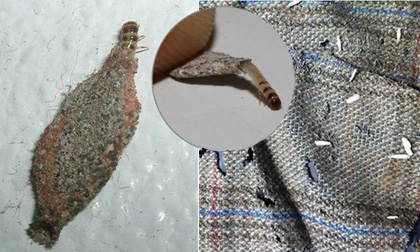
Have you ever noticed small, grayish “bags” or cocoon-like objects stuck to your walls, ceilings, or corners of your home? Many people ignore them, thinking they’re just dust or debris. But in reality, these are often bagworms (also known as plaster bagworms or case-bearing larvae)—and they may be quietly damaging your home.
What Are Bagworms?
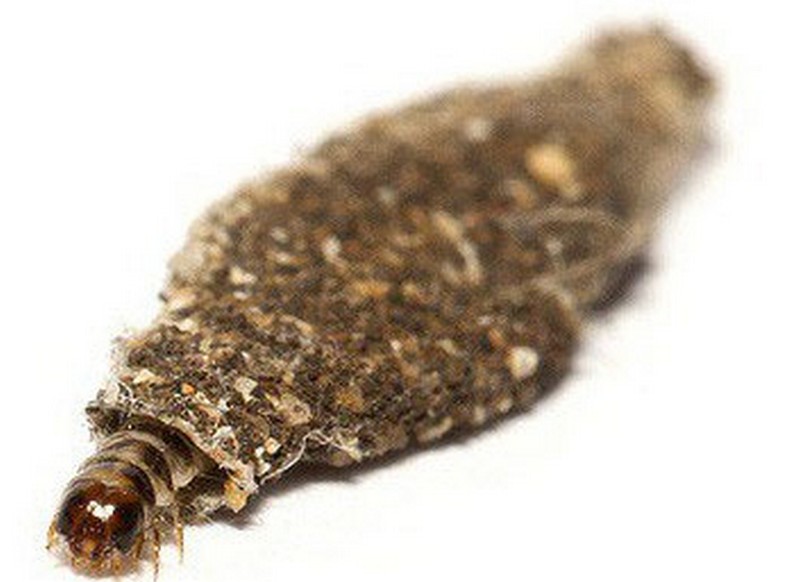
Bagworms are the larvae of small moths. They build protective cases (the “bags” you see) using dust, hair, fabric fibers, and debris found in your home.
They tend to appear in:
Walls and ceilings
Corners of rooms
Behind furniture
Closets and wardrobes
Why Are They Harmful?
1. Damage to Clothes and Fabrics
Bagworms feed on natural fibers like:
Cotton
Wool
Silk
Over time, they can leave tiny holes in your clothes, curtains, carpets, and upholstery.
2. Spread Quickly if Ignored
One or two may seem harmless, but they can multiply quickly—especially in humid environments. If left untreated, they can spread throughout your home.
3. Unhygienic Environment
Their presence often indicates:
Dust buildup
Poor ventilation
High humidity
This can also create a favorable environment for other pests.
4. Hard to Notice Early
Because they look like small debris, many people don’t realize they’re dealing with pests until the damage becomes visible.
How to Get Rid of Them
✅ 1. Clean Regularly
Vacuum walls, corners, and ceilings
Clean behind furniture
Remove dust and cobwebs
This eliminates both the larvae and their food sources.
✅ 2. Wash and Protect Clothes
Wash clothes regularly
Store clothing in sealed containers
Use moth repellents in closets
✅ 3. Reduce Humidity
Use a dehumidifier
Keep rooms well-ventilated
Avoid damp conditions
✅ 4. Remove Them Manually
If you see the “bags,” remove them immediately using tissue or a vacuum—don’t leave them to grow.
✅ 5. Use Natural or Chemical Solutions
Natural: lavender, cedarwood, or bay leaves
Chemical: insect sprays (if infestation is severe)
Final Thoughts
Those tiny “bags” on your wall are not harmless—they are a warning sign. Acting early can save your clothes, your home, and your peace of mind.