

Choose The Ring You Like Most — Your Choice May Reveal Your True Personality
Personality tests based on first impressions are once again going viral online, and this time people are obsessed with one…
29/05/2026 05:05
Have you ever wondered about that extra fabric strip on hotel beds?
When you check into a comfortable room, the first thing that catches your eye is usually the crisp, immaculate bedding. Right at the foot of the bed, there is almost always a decorative strip of fabric laid horizontally across the white sheets. While the image of a guest wrapped like a mermaid makes for a funny social media meme, it is definitely not what hotel designers had in mind.
This piece of bedding is officially known as a bed runner or a bed scarf, and it serves a few highly practical purposes that go far beyond simple aesthetics.

The presence of this fabric strip is a calculated choice by hospitality management. It bridges the gap between style and heavy-duty utility.
Most accommodation properties utilize bright white sheets and duvets because they look clean, fresh, and can be easily bleached. However, white fabric is incredibly vulnerable to stains.
The Footwear Problem: Many travelers like to lie down on the mattress to rest immediately after a long journey without removing their footwear. The runner acts as a protective barrier, catching dirt, dust, and mud from the soles of shoes.
Luggage Placement: When checking in, guests frequently toss their suitcases, backpacks, or duvets onto the end of the mattress to unpack. Luggage wheels and bases travel through dirty streets and airports. The scarf absorbs that grime instead of the clean bedding.
If you enjoy sipping a morning beverage or eating a light meal in your room, the foot of the mattress often doubles as an impromptu table or seating area. Setting down a tray or a mug on the runner protects the main duvet from accidental spills, drips, or food crumbs that are difficult to launder mid-stay.
White sheets can sometimes look sterile or institutional, resembling a clinical environment rather than a relaxing getaway.
Visual Anchor: Interior designers use the scarf to introduce texture, patterns, and a pop of color that ties the entire room design together.
Coordinated Decor: It usually matches the accent pillows, drapery, or wall artwork, creating a cohesive, high-end atmosphere that makes the space feel more premium and welcoming.
While the scarf does an excellent job of keeping the main linens clean, it raises a common question among frequent travelers: How often is it washed?
Unlike the sheets, pillowcases, and duvet covers—which are laundered after every single checkout—the decorative runner and accent cushions are not always washed daily. Because they do not come into direct contact with a guest’s skin during sleep, they are typically laundered on a rotational schedule or when visible marks appear.
Pro-Tip for Travelers: If you are highly sensitive to dust or prefer maximum hygiene, it is perfectly fine to fold the decorative runner and place it on a nearby chair or inside the wardrobe during your stay.
| Purpose | How It Helps The Property | How It Helps The Guest |
| Hygiene Barrier | Minimizes permanent stains on expensive white duvets. | Allows a quick rest without worrying about removing footwear immediately. |
| Luggage Surface | Prevents wheel grease and street grime from transferring to sheets. | Provides a dedicated space to place bags for easy unpacking. |
| Visual Design | Enhances the premium look of the room at a lower cost. | Creates a cozy, warm, and visually appealing ambiance. |
The next time you walk into a room and spot that colorful band of fabric, you will know it is not just a random piece of cloth or a funny costume—it is a functional shield designed to keep your sleeping space as immaculate as possible.
Personality tests based on first impressions are once again going viral online, and this time people are obsessed with one…

Most people think leftover rice is just kitchen waste, but many home cleaning enthusiasts say it can actually become a…

The system flags discrepancies between your passport, boarding pass, and visa. Common issues: Middle name missing on the ticket but…
Gout is rapidly affecting younger people due to unhealthy eating habits that prioritize taste over health — even children are…

Maintaining optimal health requires a conscious approach to daily nutrition. The choices made at the dinner table directly impact how…
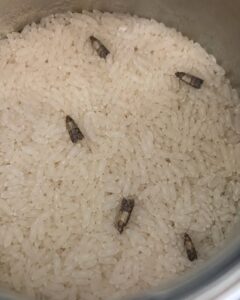
1. Introduction: The Shocking Discovery of Rice Pests Discovering tiny winged creatures or crawling larvae when you open a fresh…