Your Feet May Be Trying to Tell You Something
Many people overlook changes in their feet, assuming they are caused by fatigue or aging. However, medical experts warn that your feet can provide early clues about your overall health. From circulation issues to organ dysfunction, certain symptoms should never be ignored.
The images above show common signs such as swelling and discomfort—both of which may indicate underlying conditions that require attention.
1. Persistent Swelling (Edema)
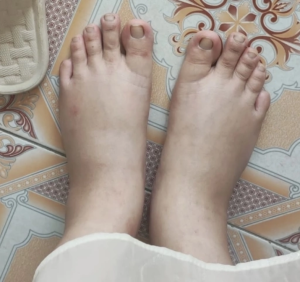
Swollen feet and ankles are one of the most noticeable warning signs. While occasional swelling can occur after long periods of standing or sitting, persistent or severe swelling may signal something more serious.
Possible causes include:
- Heart problems
- Kidney disease
- Liver disorders
- Poor blood circulation
When the body retains excess fluid, it often accumulates in the lower extremities, making the feet appear puffy or tight, as seen in the image.
2. Numbness or Tingling Sensation
If you frequently experience numbness, tingling, or a “pins and needles” feeling in your feet, it could be a sign of nerve damage.
This symptom is commonly associated with:
- Diabetes (diabetic neuropathy)
- Vitamin deficiencies
- Nerve compression
Ignoring this sign may lead to more severe complications, including loss of sensation and increased risk of injury.
3. Changes in Skin Color or Temperature

Healthy feet should have a consistent color and temperature. Sudden changes—such as pale, bluish, or reddish skin—can indicate circulation problems.
Watch for:
- Cold feet with poor blood flow
- Redness or warmth indicating inflammation
- Dark patches suggesting tissue damage
These changes may be linked to vascular diseases or infections and should be evaluated promptly.
4. Pain or Cramping Without Clear Cause
Frequent foot pain, especially when not related to physical activity, can be a warning sign. Cramping or aching in the feet and legs may indicate poor circulation or muscle fatigue.
Possible underlying issues include:
- Peripheral artery disease
- Electrolyte imbalance
- Dehydration
If the pain persists or worsens over time, it is important to seek medical advice.
5. Slow-Healing Wounds or Infections
Cuts, blisters, or sores on the feet that take a long time to heal should never be ignored. This is particularly important for people with diabetes.
Slow healing may indicate:
- Poor blood circulation
- Weakened immune response
- High blood sugar levels
In severe cases, untreated wounds can lead to infections or even more serious complications.
Why Early Detection Matters
Your feet are far from your vital organs, but they often show symptoms first—especially when it comes to circulation and nerve-related conditions. Recognizing these early warning signs can help detect serious illnesses before they progress.
Early diagnosis can:
- Improve treatment outcomes
- Prevent complications
- Protect overall health
Ignoring symptoms, on the other hand, may allow conditions to worsen silently.
When Should You See a Doctor?
You should consider seeking medical attention if you notice:
- Swelling that does not go away
- Persistent numbness or tingling
- Unusual skin color changes
- Ongoing pain or discomfort
- Wounds that heal slowly
These signs may not always indicate a serious illness, but they should be evaluated to rule out potential risks.
Tips to Keep Your Feet Healthy
Maintaining foot health is an important part of overall well-being. Here are some simple tips:
- Keep your feet clean and dry
- Wear comfortable, supportive footwear
- Stay active to promote circulation
- Monitor any changes regularly
- Maintain a balanced diet
Taking care of your feet can help you detect problems early and stay healthier in the long run.
Final Thoughts
Your feet can reveal more about your health than you might think. Swelling, numbness, discoloration, pain, and slow-healing wounds are all potential warning signs that should not be ignored.