
How Does Sleeping Too Little or Too Much Affect Your Health?
Sleep is one of the most important pillars of human health, yet it is often overlooked. While many people are…
25/03/2026 21:41
Gynecological infections are among the most common health issues affecting women worldwide. Symptoms such as unusual discharge, itching, irritation, or discomfort can significantly impact daily life and overall well-being. While medical treatment is important, experts emphasize that everyday habits play a crucial role in both prevention and recovery.
This article explores the causes of gynecological infections and highlights key habits women should reconsider to maintain better reproductive health.
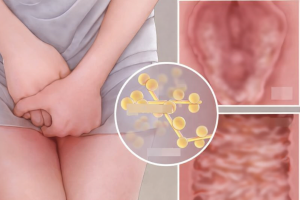
Gynecological infections can be caused by bacteria, fungi (such as yeast), or viruses. One of the most common conditions is a yeast infection, often linked to an overgrowth of Candida.
Typical symptoms include:
Although these infections are usually not life-threatening, they can become recurrent if underlying habits are not addressed.
One of the leading causes of infection is improper hygiene. While cleanliness is essential, over-cleaning or using harsh products can disrupt the natural balance of beneficial bacteria.
Common mistakes include:
Experts recommend using mild, unscented products and allowing the body’s natural defenses to function properly.

Clothing choices can directly affect vaginal health. Tight underwear or synthetic fabrics trap moisture and heat, creating an ideal environment for bacteria and fungi to grow.
To reduce risk:
Simple adjustments in clothing can significantly lower infection risk.
Diet also plays a role in maintaining a balanced internal environment. High sugar intake, for example, may contribute to yeast overgrowth.
Health experts suggest:
A balanced diet supports both immune function and microbial balance.
While antibiotics are necessary for treating certain infections, overuse or misuse can disrupt the body’s natural flora. This can eliminate beneficial bacteria and allow harmful organisms to thrive.
Women should:
Responsible use of medication is essential for long-term health.
Many women delay seeking medical attention when symptoms first appear, hoping the issue will resolve on its own. However, untreated infections can worsen or recur.
Early intervention can:
It is important to consult a healthcare provider if symptoms persist or worsen.
Menstrual care is another critical factor. Poor practices during this time can increase the risk of infection.
Key recommendations include:
Maintaining proper hygiene during menstruation helps protect against bacterial growth.
Chronic stress and lack of sleep can weaken the immune system, making the body more vulnerable to infections.
Healthy lifestyle habits include:
A strong immune system is a key defense against recurring infections.
Gynecological infections are common, but they are often preventable with the right habits. From hygiene and clothing choices to diet and stress management, small daily decisions can have a significant impact on women’s health.
Rather than relying solely on treatment, adopting healthier routines can help reduce the risk of infection and improve overall well-being. Awareness, consistency, and timely medical care remain the most effective strategies for protecting reproductive health.
Sleep is one of the most important pillars of human health, yet it is often overlooked. While many people are…

Living beyond 100 years old remains a rare achievement, and reaching the age of 117 is extraordinary. Recently, scientists and…
Gynecological infections are among the most common health issues affecting women worldwide. Symptoms such as unusual discharge, itching, irritation, or…

Peanuts are widely praised as a nutritious snack packed with protein, healthy fats, and essential vitamins. From peanut butter to…
Despite years of research and the advance of techology, there are some things about human’s body that still remain a…

Maria Branyas Morera was a supercentenarian from Spain who got to live until 117 before passing away last year. Maria…