
My 8-year-old has been experiencing this for two months — and it’s getting worse
Urticaria is a skin condition that affects 1 in 5 people at certain period of their life. It causes intensely…
25/03/2026 10:00
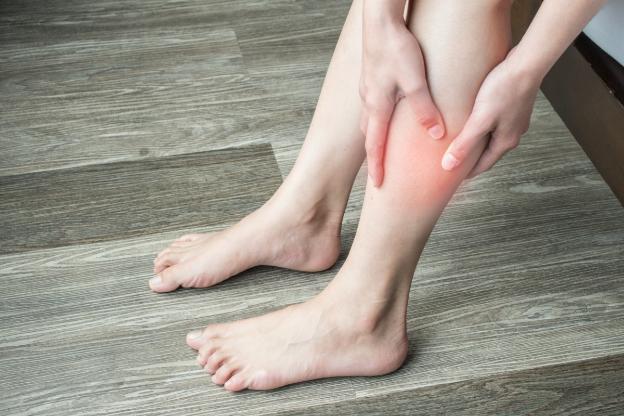
Most nighttime leg cramps are benign. They may result from:
For many people, cramps happen now and then, go away with gentle stretching, and don’t return for weeks. But in some cases, these nighttime jolts are more than just an annoyance.
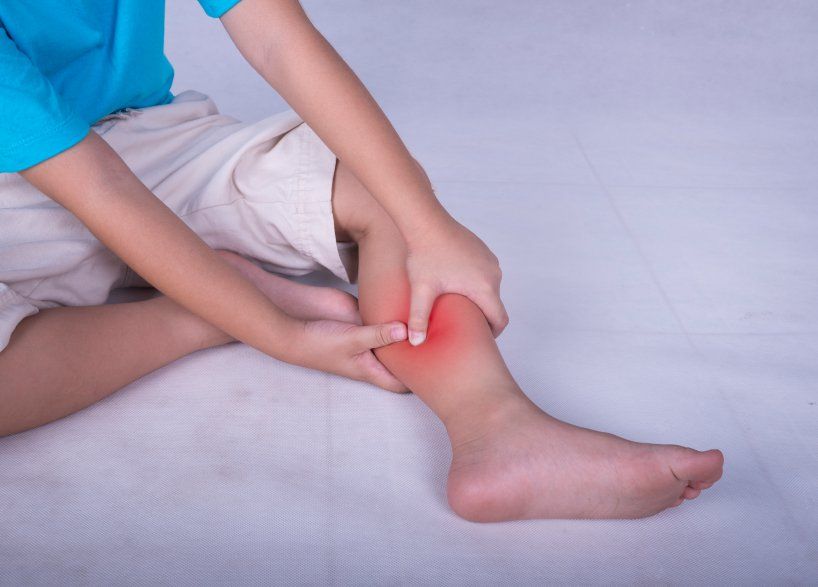
Nighttime leg cramps become a medical concern when they cross certain thresholds:
If you’re experiencing leg cramps more than three nights a week, something may be off. Frequent cramping could be a sign of underlying systemic imbalances, such as poor circulation or nerve issues, especially if they increase over time.
Most cramps last a few seconds to a few minutes. But if you’re feeling intense pain that won’t ease, or if the muscle stays tight and sore for hours after, this may point to circulatory or neurological problems.
Chronic sleep interruptions from cramps can lead to fatigue, irritability, and even depression. If cramps are robbing you of restful sleep, it’s a sign that medical evaluation is warranted.
Look for these red flags:
These may indicate conditions such as:
Some medications are known to trigger leg cramps, especially:
If your cramps began after starting a new medication, it’s time to check in with your doctor.
Older adults are more prone to leg cramps, especially those with chronic health issues. If you have diabetes, vascular disease, or thyroid problems, your cramps may be linked to more than just overworked muscles.

Here are the most common underlying factors:
Nighttime leg cramps can feel random and frustrating—but in many cases, they’re preventable. Small lifestyle changes and targeted habits can make a big difference in reducing their frequency and severity. Here’s a deeper look at proven ways to protect your sleep from those painful midnight muscle spasms:
A gentle stretching routine before sleep can significantly lower your risk of cramps. Focus on the calves, hamstrings, and feet.
Why it works: Stretching helps lengthen muscle fibers, increases blood flow, and keeps them supple overnight—especially important if you’ve been sitting or inactive for long periods.
Example routine (2–3 minutes):
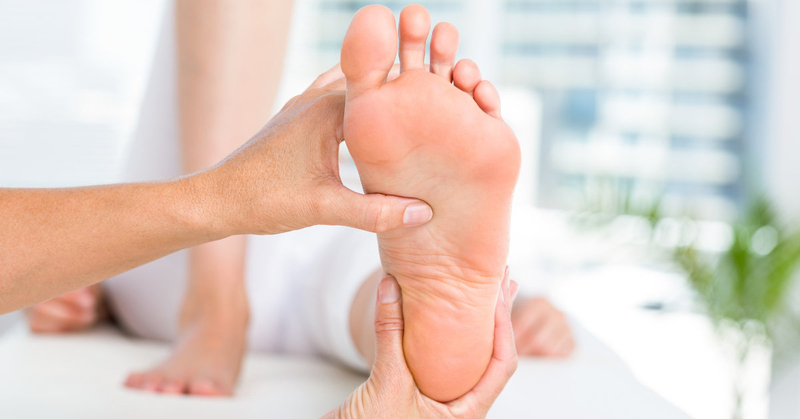
One of the most common but overlooked causes of leg cramps is dehydration.
Tip: Drink plenty of water throughout the day—not just at night. Aim for 6–8 glasses of water, or more if you’re physically active or in a hot climate.
Bonus: Add electrolytes like magnesium or potassium-rich foods to your diet (bananas, avocados, spinach) to help regulate muscle contractions.
Low levels of magnesium, potassium, calcium, or sodium can cause muscle cramps.
Best sources of electrolytes:
If you suspect a deficiency, consider supplements—but always consult your doctor first.
Sedentary lifestyle? Sitting or standing for hours without moving? That can make your muscles tighten and cramp later.
Preventive habit:
Low-impact exercise like walking, swimming, or cycling also promotes healthy circulation, which helps reduce nighttime cramps.

Supportive shoes matter more than you might think.
Avoid:
Use:
Bad footwear can strain your muscles all day—leading to cramps at night.
Surprisingly, the way you sleep can set the stage for cramps.
Avoid:
Do this instead:
Warmth relaxes muscles and improves blood flow.
Try:
Even a few minutes of self-care can significantly reduce nighttime muscle tightness.
Both alcohol and caffeine can dehydrate you and interfere with deep sleep.
Solution:
Some prescription drugs are known to increase cramping risk, especially diuretics, statins, and beta-blockers.
What to do:
Magnesium is often recommended for leg cramps, especially in older adults and pregnant women.
Dosage:
Some people report relief within days, while others may take a few weeks to notice improvements.
Preventing nighttime leg cramps means preparing your body for rest—hydrated, relaxed, and properly supported. Just like brushing your teeth, making pre-bed stretching and hydration a daily ritual could help you wake up pain-free.
Urticaria is a skin condition that affects 1 in 5 people at certain period of their life. It causes intensely…

We all sit with our legs crossed without realizing it, but did you realize that depending on our body language,…
When Nighttime Leg Cramps Become a Concern Waking up in the middle of the night to a stabbing pain in…
The Hidden Impact of Skipping Intimacy: What Science Suggests About Your Body and Mind You might assume that going without…

Attraction can sneak up on anyone, even someone who never expected it. Even married women who are committed to their…

Cloves may look like a simple kitchen spice, but behind their small size lies a surprising range of health and…