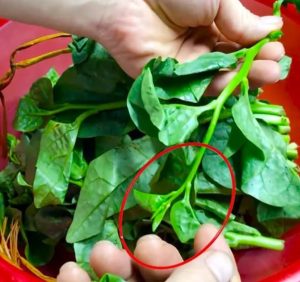
The Secret Superfood: Why This Leafy Green Beats Beef for Minerals
King of Iron and Calcium: Meet the Underrated Malabar Spinach
For decades, we’ve been told that red meat and seafood are the ultimate sources of strength and bone health. However, a silent “king” has been growing in tropical gardens across Southeast Asia, often overlooked by modern diners. Known as the King of Iron and Calcium, Malabar Spinach offers a nutritional profile that challenges traditional animal-based staples.
While it is a common sight in traditional Thai and Vietnamese kitchens, many people are unaware that this climbing vine contains mineral concentrations that rival—and sometimes exceed—those found in beef and shrimp.

A Nutritional Breakdown: Nature’s Mineral Factory
What makes this vegetable so special? It’s not just about the vitamins; it’s about the density of essential minerals required for blood and bone health.
1. Superior Calcium for Bone Density
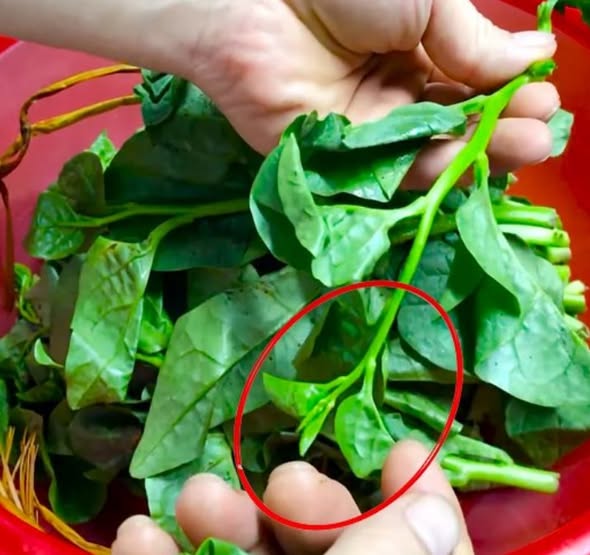
While milk and shrimp are the go-to recommendations for calcium, Malabar Spinach is a powerhouse for plant-based bone support.
-
The Comparison: 100g of cooked Malabar Spinach provides approximately 124mg to 150mg of calcium.
-
Why it matters: This is significantly higher than many other green vegetables. For those who are lactose intolerant or avoiding seafood, this leafy green provides the structural building blocks for strong teeth and bones.
2. The “Iron King” for Natural Energy
Iron is the core component of hemoglobin, which carries oxygen through your body. Many people suffer from fatigue due to low iron levels, yet they overlook this natural solution.
-
Plant-Based Iron: It is frequently cited in traditional medicine as the “King of Iron” because of its ability to support blood health.
-
The Beef Comparison: While beef contains heme iron (which is more easily absorbed), the sheer volume of minerals in Malabar Spinach makes it an incredible supplementary source for preventing anemia, especially when paired with Vitamin C to boost absorption.
Health Benefits Beyond Minerals
The “magic” of Malabar Spinach isn’t limited to just two minerals. It is a complex superfood with several unique properties:
-
Natural Digestion Aid: The vegetable is famous for its mucilaginous (slightly slippery) texture. This fiber-rich “mucus” acts as a natural lubricant for the digestive tract, helping to prevent constipation and soothe the stomach lining.
-
Vision and Skin Support: It is loaded with Vitamin A (providing nearly 150% of the daily requirement in just one cup) and Vitamin C. These antioxidants protect your eyes from age-related decline and keep your skin looking youthful.
-
Low-Calorie Energy: With only about 19–23 calories per 100g, it allows you to load up on nutrients without the heavy saturated fats found in beef or the cholesterol found in some shellfish.
Why Is It Often Overlooked?
In many regions, including parts of Thailand and Vietnam, this plant grows so easily that it is viewed as “peasant food.” Because it can thrive in a backyard with little maintenance, its prestige has often been overshadowed by expensive imported “superfoods” like kale or broccoli. However, modern nutritional science is finally catching up to what traditional herbalists have known for centuries: local, hardy greens are often the most nutrient-dense.
How to Cook It for Maximum Nutrition
To unlock the full potential of the “King of Iron and Calcium,” you should follow these preparation tips:
-
Quick Boiling (Soup): The most common way to enjoy it is in a clear broth with minced meat or shrimp. To keep the vitamins intact, add the leaves at the very end and cook for only 1–2 minutes.
-
Stir-Fry with Garlic: Garlic not only adds flavor but also has anti-inflammatory properties that complement the greens.
-
The Vitamin C Rule: Since plant-based iron (non-heme) is harder to absorb, always squeeze a little lime juice over your dish or eat it alongside Vitamin C-rich foods like tomatoes or bell peppers.
Important Notes for Consumption
While Malabar Spinach is a nutritional marvel, there are a few things to keep in mind:
-
Oxalates: Like true spinach, it contains oxalates. If you have a history of kidney stones, enjoy this vegetable in moderation.
-
Avoid Overcooking: Overcooking can make the texture too slimy for some palates and destroys the delicate Vitamin C content.