Stop Eating Red Tilapia Immediately? What Experts Say About the Concerns
Images circulating online showing fish with unusual yellow, bead-like clusters in their mouths have sparked alarm and prompted urgent warnings urging consumers to stop eating red tilapia. But how much of this concern is grounded in science, and what should consumers actually know?
Health and food safety experts say the issue deserves careful attention—but also context.
Viral Images Spark Fear
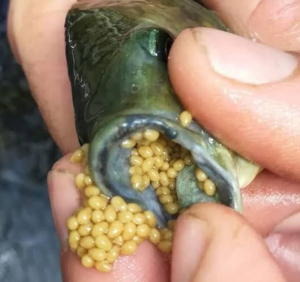
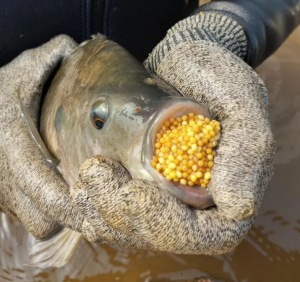
The images, like those shown above, depict fish with small yellow spheres clustered inside the mouth. For many viewers, the immediate assumption is that these are parasites or signs of contamination, raising fears about food safety.
Such images have quickly spread across social media, often accompanied by dramatic claims linking them to disease risks or unsafe farming practices.
However, specialists caution against drawing conclusions without understanding the biology of the fish.
What Are Those Yellow Clusters?
According to aquatic biologists, the yellow spheres seen in the images are most likely fish eggs. Certain species of tilapia are mouthbrooders, meaning they carry and protect their eggs inside their mouths during reproduction.
“This is a completely natural reproductive behavior,” experts explain. “The fish is not infected—it is incubating its offspring.”
In fact, mouthbrooding is a survival strategy that helps protect eggs from predators in the wild. The presence of eggs in the mouth does not indicate disease or contamination.
Is Red Tilapia Unsafe to Eat?
There is no scientific evidence suggesting that red tilapia is inherently unsafe to eat due to this behavior. When properly farmed, handled, and cooked, tilapia remains a widely consumed and generally safe source of protein.
Food safety authorities emphasize that the real concerns with fish consumption are not related to reproductive traits, but rather to:
Water quality in aquaculture systems
Use of antibiotics or chemicals
Proper storage and handling
Adequate cooking temperatures
If these factors are well managed, the risk to consumers remains low.
The Real Risks Consumers Should Know
While the viral warnings may be exaggerated, experts say there are legitimate considerations when choosing any type of farmed fish, including tilapia.
1. Farming Conditions
Tilapia is often farmed in large quantities. In poorly regulated environments, overcrowding and water contamination can occur, potentially affecting fish quality.
Consumers are advised to purchase fish from reputable sources that follow established food safety standards.
2. Antibiotic Use
In some aquaculture systems, antibiotics may be used to prevent disease. Improper use can raise concerns about antibiotic resistance.
However, strict regulations in many countries limit and monitor such practices to ensure food safety.
3. Nutritional Profile
Tilapia is a lean source of protein, but it contains lower levels of omega-3 fatty acids compared to fish like salmon. While still healthy, it should be part of a varied diet rather than the sole source of seafood.
How to Choose Safe Fish
Experts recommend several practical steps for consumers:
Buy from trusted markets or certified suppliers
Check for freshness (clear eyes, firm flesh, mild smell)
Store fish properly and refrigerate promptly
Cook thoroughly to safe internal temperatures
These measures are far more important for safety than avoiding a specific species based on viral claims.
The Danger of Misinformation
The rapid spread of alarming but misleading information can have real consequences. Unverified claims may cause unnecessary fear, disrupt markets, and lead consumers to make decisions based on incomplete or incorrect data.
“Not everything seen online reflects a health risk,” experts note. “Understanding the science behind what you see is essential.”
A Balanced Perspective
While the images may be unsettling at first glance, they highlight a natural biological process rather than a food safety hazard. Red tilapia, when sourced and prepared correctly, remains a safe and affordable protein option for millions of people worldwide.
The key takeaway is not to panic, but to stay informed.