Science backs it up: 3 fruits that fight fatty liver, regulate sugar and cholesterol
Non-alcoholic fatty liver disease (NAFLD), now also referred to as metabolic dysfunction-associated steatotic liver disease (MASLD), is a widespread condition characterized by the accumulation of excess fat in the liver. According to the NHS, it is closely associated with excess body weight and can often be improved through healthier lifestyle choices.
Common symptoms of fatty liver disease include fatigue, a general sense of discomfort, and pain or unease beneath the ribs on the right-hand side. However, many individuals remain unaware they have the condition, as it frequently develops without noticeable symptoms.
The risk of developing NAFLD increases in individuals who carry excess abdominal fat, have type 2 diabetes, polycystic ovary syndrome (PCOS), high blood pressure, or elevated cholesterol levels. A sedentary lifestyle and being over the age of 50 also contribute to higher risk.
Emerging research suggests that a diet rich in certain fruits may reduce liver fat by approximately 10–15% within 12 weeks. Below are three fruits supported by scientific evidence that may help reduce liver fat, regulate blood sugar, and support healthy cholesterol levels—along with simple ways to incorporate them into your daily routine.
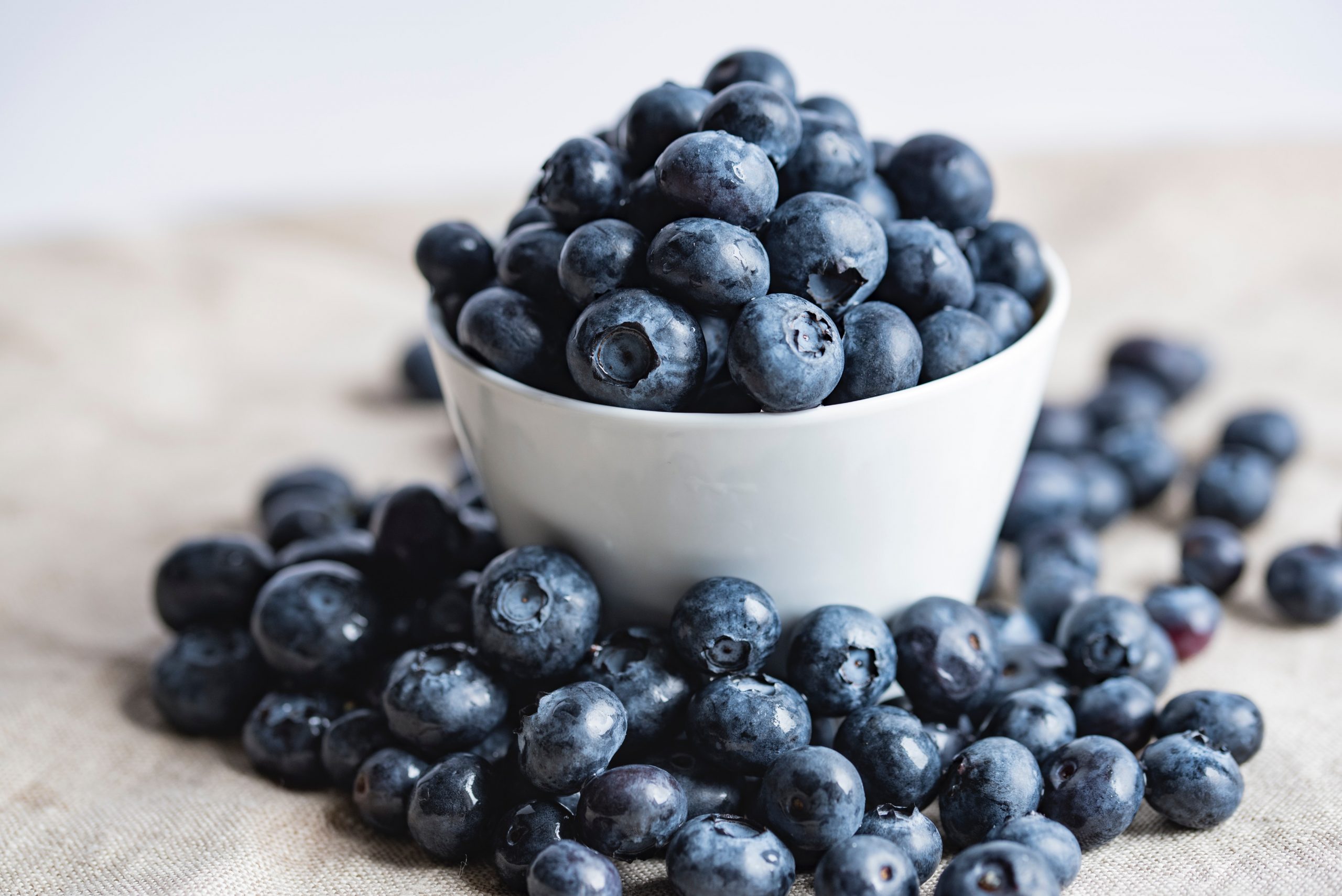
Blueberries: Small but Powerful Allies for Liver Health
Blueberries are more than just a flavorful fruit—they are rich in anthocyanins, potent antioxidants known for their ability to protect the liver from oxidative stress, support metabolic balance, and promote gut health.
Studies have shown that regular consumption of blueberries is linked to a reduction in liver fat in individuals with NAFLD, as observed through imaging techniques. Anthocyanins appear to reduce fat production in the liver while enhancing fat breakdown. Additionally, both human and animal studies suggest that blueberries may improve insulin sensitivity and contribute to modest reductions in LDL cholesterol.
These compounds are believed to influence enzymes and signaling pathways involved in fat and glucose metabolism, leading to improved insulin function and better cholesterol regulation.
Blueberries also help neutralize free radicals, reducing oxidative damage that contributes to fatty liver disease. Their anti-inflammatory properties further support metabolic and cardiovascular health.
To incorporate blueberries into your diet, consider adding half a cup (around 75 grams) of fresh or frozen berries to your breakfast. They pair well in smoothies with spinach and Greek yogurt or can be sprinkled over oatmeal. As a snack, combine them with nuts such as almonds.
For best results, aim to consume blueberries at least four to five times per week. Choosing organic varieties can help reduce exposure to pesticides, while avoiding sweetened or processed blueberry juices helps maintain fiber intake and prevent blood sugar spikes.
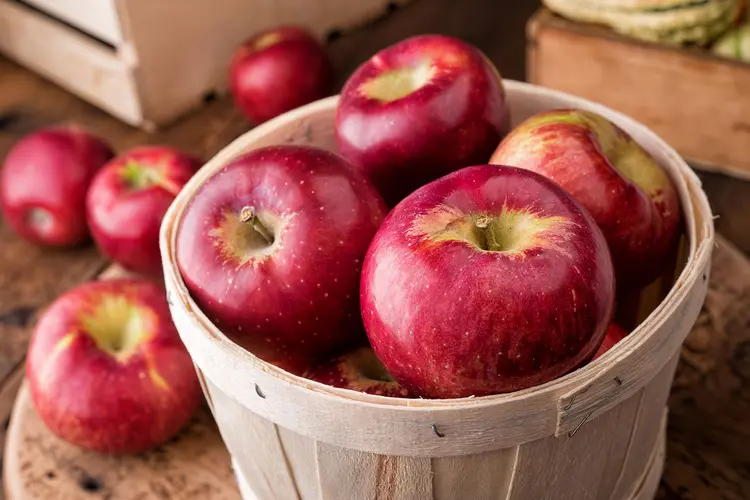
Apples: Fiber-Rich Support for Liver Function
Apples, a staple in many households, offer more than convenience—they are rich in pectin, a soluble fiber, and polyphenols that support liver health and metabolic balance.
Research indicates that regular apple consumption may be associated with lower liver fat and triglyceride levels, particularly in overweight individuals. Pectin helps bind fats and cholesterol in the digestive tract, limiting their absorption, while polyphenols such as quercetin protect liver cells from oxidative damage.
Apples may also assist in stabilizing blood sugar levels by slowing the digestion and absorption of carbohydrates. Their low glycemic index makes them a suitable choice for people with diabetes, and they may also contribute to increased levels of HDL (“good”) cholesterol, supporting heart health.
For maximum benefit, eat apples whole with the skin intact, as this is where most of the beneficial compounds are found. They make an excellent snack or light dessert. You can also bake apples with cinnamon for a healthier treat or add grated apple to salads with carrots and walnuts.
Consuming one to two apples per day is recommended. Varieties such as Granny Smith or Fuji, which are higher in fiber, are particularly beneficial. It is best to avoid overly sweet apple-based products like compotes, which often lose valuable nutrients.
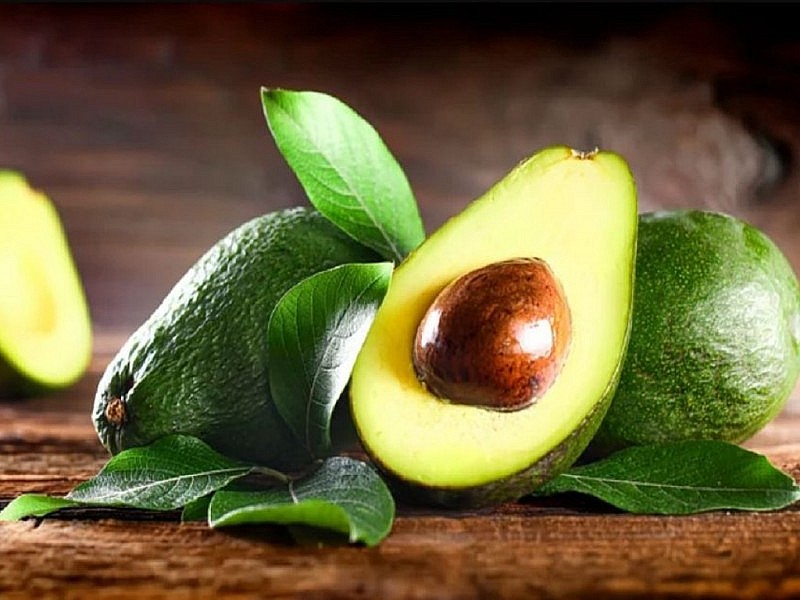
Avocados: Healthy Fats for Metabolic and Liver Health
Avocados are rich in monounsaturated fats, fiber, and vitamin E, making them a valuable addition to a liver-friendly and heart-healthy diet.
Scientific studies have demonstrated that regular avocado consumption can improve liver and metabolic health. For instance, research published in Frontiers in Pharmacology (2022) found that avocado oil improved mitochondrial function, reduced oxidative stress, and alleviated fatty liver disease in animal models. A 2024 study in Diabetes Research and Clinical Practice reported improved insulin sensitivity in individuals with type 2 diabetes who consumed avocados. Additionally, research in the Journal of the American Heart Association (2025) showed that eating one avocado daily as part of a moderate-fat diet led to slight reductions in LDL cholesterol among overweight adults.
Beyond their macronutrient profile, avocados provide vitamin E, which offers antioxidant protection to liver cells and may help reduce inflammation associated with NAFLD. Their fiber content also promotes satiety and supports weight management—one of the most critical factors in managing or even reversing fatty liver disease.
To include avocados in your diet, try adding half an avocado to whole-grain toast with tomato, mixing it into salads with leafy greens and lemon, or blending it into a creamy dip with yogurt.
Aim to consume avocados three to five times per week. Choose ripe fruits that yield slightly under pressure, and be mindful of portion sizes, as half an avocado contains approximately 120 calories.
A Simple Dietary Shift with Significant Impact
While fatty liver disease often develops silently, dietary changes can play a crucial role in managing and potentially reversing the condition. Incorporating nutrient-dense fruits such as blueberries, apples, and avocados into a balanced diet may offer measurable benefits for liver health, blood sugar control, and cholesterol levels.
Combined with regular physical activity and weight management, these simple additions can form part of an effective strategy to support long-term metabolic health.
Clove buds (Syzygium aromaticum) have long been prized for their antimicrobial, anti-inflammatory, and antioxidant profile, largely owed to eugenol—an essential-oil…