
Why do “smart people” often leave the bathroom light on all night when staying in a hotel?
When staying in a hotel, many travelers follow small habits that may seem unusual at first glance. One of these…
30/03/2026 11:50
Dry, cracked heels (technically known as heel fissures) are more than just a cosmetic nuisance. They can be uncomfortable and, if left untreated, can lead to deeper pain or even sensitivity. While the internet is full of “quick fixes”—like the popular trend of placing onion slices on the feet—it is important to distinguish between folklore and what actually works for skin repair.
While onions have natural antimicrobial properties, they aren’t the most efficient way to hydrate deep cracks. Instead, let’s look at the science-backed, natural methods to get your feet back to being baby-soft.
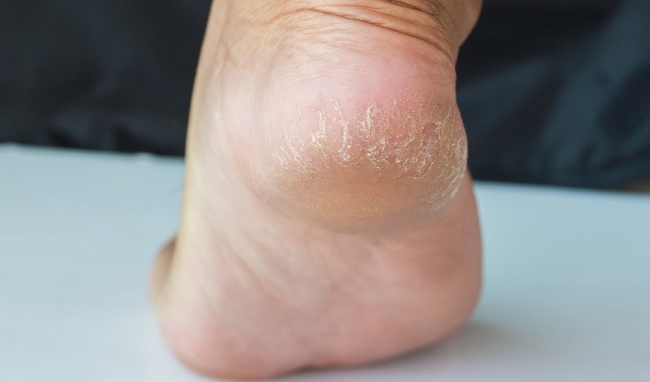
Natural oils are the ultimate barrier-repair agents. Coconut oil, in particular, is highly recommended for dry skin because it is rich in Lauric acid and has natural anti-inflammatory properties.
How to do it: Before bed, wash your feet and pat them dry. Massage a generous amount of organic coconut oil or extra virgin olive oil into your heels.
The Secret: Put on a pair of clean cotton socks immediately after. This “occlusion” technique helps the oil penetrate the thick skin layers overnight.
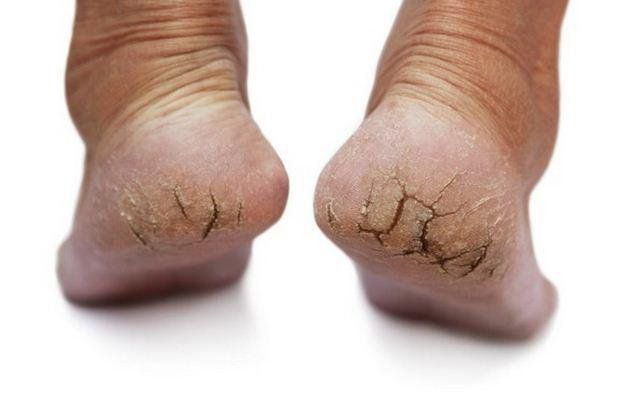
To heal cracks, you must first remove the dead, hardened skin (callus) that prevents moisture from getting in. A homemade scrub is much safer than using sharp tools.
The Mix: Combine 2–3 tablespoons of ground rice flour with a spoonful of honey and a few drops of apple cider vinegar.
Why it works: Rice flour acts as a natural exfoliant, while honey is a humectant—meaning it pulls moisture from the air into your skin.
If you have overripe fruit in the kitchen, don’t toss it! Bananas contain Vitamin A, which helps maintain skin elasticity, while avocados are packed with essential oils and Vitamin E.
The Mask: Mash half an avocado and one small banana into a smooth paste.
The Treatment: Apply the mixture to your heels and let it sit for 15–20 minutes. Rinse with lukewarm water. This acts as a deep-conditioning treatment for the “chapped” areas of your feet.
A classic for a reason. Soaking softens the skin, making it easier for the next steps of your routine to work.
The Routine: Add half a cup of Epsom salt to a basin of warm (not hot!) water. Soak for 15 minutes.
The Follow-up: Use a pumice stone to gently buff away the softened dead skin. Be careful not to scrub too hard, as this can trigger the skin to thicken even more as a defense mechanism.
For severe cracks, you need an “occlusive” that seals the skin completely.
The Method: After your evening shower, apply a thick layer of shea butter or a high-quality petroleum jelly.
The Pro-Tip: Look for products containing Urea (10-25%). Urea is a keratolytic, which means it breaks down the tough protein (keratin) in the skin’s outer layer, making it much softer very quickly.
When staying in a hotel, many travelers follow small habits that may seem unusual at first glance. One of these…

Waking up in the middle of the night—especially around 3 or 4 a.m.—is a common experience for many people. While…

Have you ever found yourself staring at the ceiling while the rest of the world is draped in silence? It…

When it comes to achieving a luminous, even-toned appearance, the journey is often as important as the destination. For years,…

Maintaining optimal blood flow is a cornerstone of overall wellness. While we often think of circulation in terms of dramatic…
Dry, cracked heels (technically known as heel fissures) are more than just a cosmetic nuisance. They can be uncomfortable and,…