
Absolutely Do Not Eat Papaya If You Belong to This Group of People…
Papaya is widely known as a nutritious fruit packed with vitamins, fiber, and digestive enzymes. However, despite its many health…
19/03/2026 09:27
Noticing small red dots on your skin can be alarming, especially when they appear suddenly or in clusters. While many of these spots are harmless, others may signal underlying health issues that require medical attention. Dermatologists emphasize that understanding the cause is key to determining whether these marks are benign or a sign of something more serious.
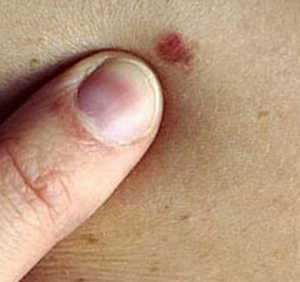
One of the most common causes of small red spots is cherry angiomas. These are tiny, bright red growths made up of blood vessels and are typically harmless. They often appear with age and do not require treatment unless for cosmetic reasons.
Petechiae are small, pinpoint red or purple spots caused by bleeding under the skin. Unlike cherry angiomas, they do not blanch (turn white) when pressed. Petechiae can result from minor injuries, but in some cases, they may indicate more serious conditions such as infections or blood disorders.
Skin reactions to food, medications, or environmental triggers can cause red spots or rashes. These are often accompanied by itching, swelling, or irritation. Identifying and avoiding the trigger is essential for prevention.
In hot and humid conditions, blocked sweat glands can lead to small red bumps known as heat rash. This condition is usually temporary and resolves once the skin cools down.
Certain viral or bacterial infections can present with red spots on the skin. These may be accompanied by other symptoms such as fever, fatigue, or body aches, signaling the need for medical evaluation.
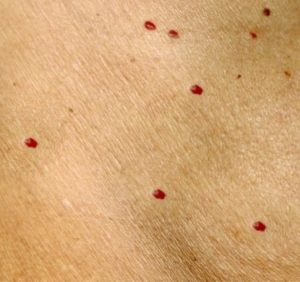
While many red spots are harmless, doctors warn that some cases should not be ignored. If the spots appear suddenly, spread rapidly, or are accompanied by symptoms such as fever, bruising, or bleeding, it may indicate a more serious condition.
Petechiae, for example, can sometimes be linked to conditions affecting blood clotting or platelet levels. Similarly, certain infections or immune disorders may present with skin changes as an early warning sign.
Health experts recommend paying attention to the following signs:
Red dots that do not fade when pressed
Rapid increase in number or size
Accompanying symptoms such as fever or fatigue
Easy bruising or unexplained bleeding
Persistent or worsening condition
If any of these symptoms occur, seeking prompt medical advice is crucial.
A proper diagnosis often requires a physical examination by a healthcare professional. In some cases, doctors may order blood tests, skin biopsies, or other diagnostic procedures to determine the underlying cause.
Early evaluation is especially important when red dots are associated with systemic symptoms, as timely treatment can prevent complications.
Treatment depends entirely on the cause:
Benign conditions like cherry angiomas may not require treatment
Allergic reactions can be managed with antihistamines or avoiding triggers
Infections may require antibiotics or antiviral medications
Underlying medical conditions may need specialized care
Self-diagnosis is not recommended, as different conditions can appear similar on the skin.
While not all causes can be prevented, certain measures may reduce the risk:
Maintain good hygiene and skincare
Avoid known allergens
Stay cool in hot weather to prevent heat rash
Monitor any unusual skin changes
Seek early medical advice when symptoms arise
Red dots on the skin can range from harmless cosmetic concerns to signs of more serious health issues. Understanding their potential causes and recognizing warning signs can help individuals make informed decisions about their health.
Papaya is widely known as a nutritious fruit packed with vitamins, fiber, and digestive enzymes. However, despite its many health…
Noticing small red dots on your skin can be alarming, especially when they appear suddenly or in clusters. While many…

A 6-year-old girl often told her mother, “Mom, the bed is too small. I can’t stretch my arms and legs,”…

What seemed like a common digestive issue turned into a shocking medical case after a 14-year-old girl suffered persistent stomach…

Have you ever noticed small, grayish “bags” or cocoon-like objects stuck to your walls, ceilings, or corners of your home?…

Walnuts are often called a “superfood,” but what actually happens to your body if you eat them every day? According…