
Early Can.cer Is Silent: Spot 5 Signs and Get Checked Fast
The Silent Nature of Early Cancer Cancer in its early stages is often described as a “silent disease.” Unlike many…
17/03/2026 22:06
Okra has long been celebrated as a nutrient-rich vegetable, packed with fiber, vitamins, and antioxidants. Often recommended as part of a balanced diet, it is especially popular in many traditional cuisines. However, despite its reputation as a “superfood,” health experts caution that okra may not be suitable for everyone.
Recent discussions have brought attention to potential risks associated with okra consumption, particularly for certain vulnerable groups. While the vegetable remains safe for most people, understanding its limitations is key to avoiding unintended health issues.
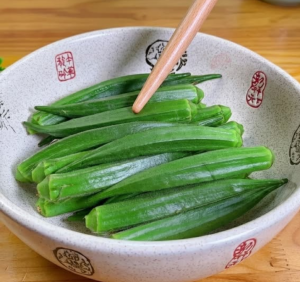
Okra is valued for its high content of vitamin C, vitamin K, folate, and dietary fiber. It is also low in calories, making it a preferred option for those managing weight or blood sugar levels.
The vegetable’s natural mucilage—a gel-like substance—can support digestion and may help regulate blood glucose. For this reason, okra is often recommended to individuals with metabolic concerns.
However, these same properties can also present challenges under certain conditions.
One of the primary concerns surrounding okra is its oxalate content. Oxalates are naturally occurring compounds found in many plants, but in high amounts, they may contribute to the formation of kidney stones.
For individuals with a history of kidney stones, particularly calcium oxalate stones, frequent consumption of okra could increase the risk of recurrence. Medical professionals often advise moderating intake or avoiding high-oxalate foods altogether.
Okra is rich in vitamin K, a nutrient that plays a critical role in blood clotting. While beneficial for most people, high levels of vitamin K can interfere with blood-thinning medications such as warfarin.
For patients relying on these medications, sudden increases in vitamin K intake can reduce the drug’s effectiveness, potentially leading to serious complications. Consistency in diet—and consultation with a healthcare provider—is essential.

Although okra supports digestion for many, it may cause discomfort in individuals with sensitive gastrointestinal systems. The fiber and mucilage can lead to bloating, gas, or cramping in some cases.
Those with conditions such as irritable bowel syndrome (IBS) may need to monitor their response to okra and adjust their intake accordingly.
Some experts suggest that okra contains compounds that may exacerbate inflammation in certain individuals, potentially affecting joint health. While scientific evidence remains limited, anecdotal reports have linked excessive okra consumption to increased joint discomfort.
People with arthritis or chronic joint pain may consider moderating their intake and observing any changes in symptoms.
Though rare, okra allergies do exist. Symptoms may include itching, swelling, or difficulty breathing after consumption. In such cases, immediate medical attention is necessary.
Cross-reactivity with other plants may also occur, making it important for individuals with known food allergies to exercise caution.
The key message from health experts is not to eliminate okra entirely, but to consume it wisely. Like many foods, its benefits depend on individual health conditions and dietary balance.
Nutritionists emphasize the importance of variety in the diet. Relying too heavily on any single food—even a healthy one—can lead to unintended consequences.
The Silent Nature of Early Cancer Cancer in its early stages is often described as a “silent disease.” Unlike many…
A Growing Public Health Concern Cervical cancer, once considered largely preventable, is now showing a troubling resurgence in many parts…
Okra has long been celebrated as a nutrient-rich vegetable, packed with fiber, vitamins, and antioxidants. Often recommended as part of…

Images circulating online showing fish with unusual yellow, bead-like clusters in their mouths have sparked alarm and prompted urgent warnings…

The death of a 20-year-old teacher from liver cancer has sparked concern among medical professionals, highlighting how easily early warning…

Intimacy is often discussed in emotional or relational terms, but it also plays a measurable role in physical and hormonal…