
The Hidden Gems of Vietnamese Cuisine: A Deep Dive into Offal Delicacies
Introduction: A Culinary Tradition Like No Other When you think of Vietnamese food, your mind might immediately go to a…
26/03/2026 11:58
Many of us wake up with a slight “crust” in the corners of our eyes or a persistent itch that makes us reach for the eye drops immediately. While we often blame seasonal allergies or late-night screen time, the reality might be living right at the base of your hair follicles.
In this guide, we will explore the common—yet often overlooked—reasons for morning eye discomfort, focusing on eyelid health, microscopic organisms, and long-term preventative care.
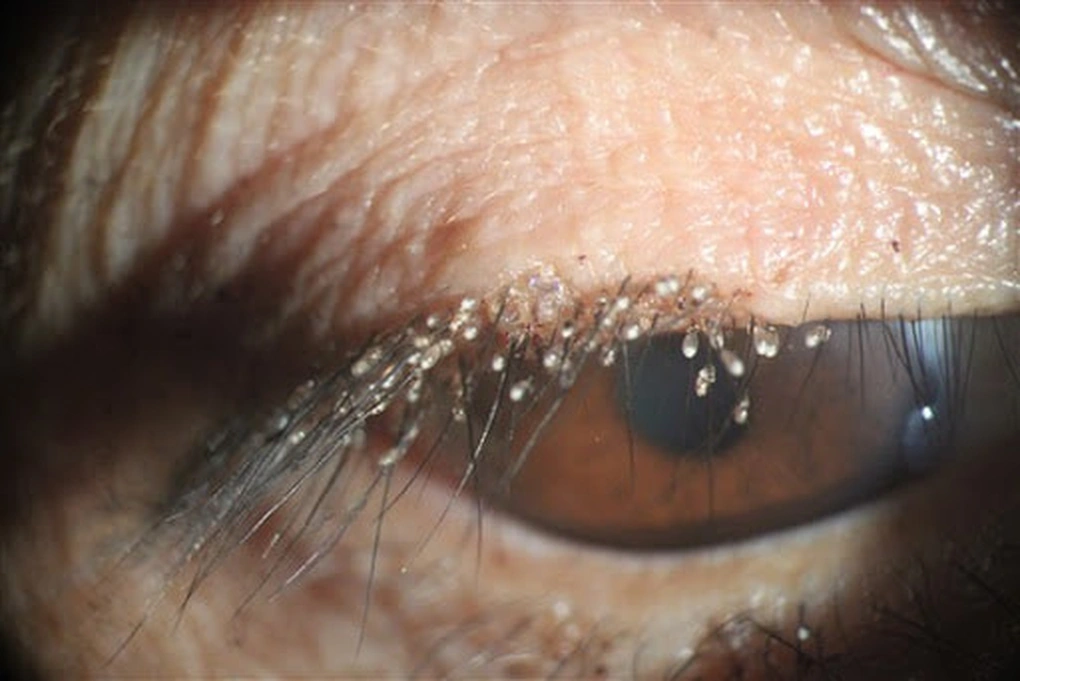
The image often circulating with “terrifying” captions refers to Demodex. While the word “mites” sounds alarming, here are the facts:
They are natural: Most adults have a small population of these microscopic organisms. They live in hair follicles and sebaceous glands.
The Overgrowth Problem: Issues arise only when they overpopulate. This leads to Demodex Blepharitis, causing redness, itching, and “cylindrical dandruff” (clear collars) at the base of the lashes.
Why the Morning Itch? These organisms are more active in the dark, and their metabolic waste can irritate the eye lining by the time you wake up.

Blepharitis is the medical term for inflamed eyelids. It isn’t just about “mites”; it’s often a chronic condition related to skin health.
Anterior Blepharitis: Affects the outside of the eyelid where lashes attach. Usually caused by bacteria (Staph) or dandruff from the scalp.
Posterior Blepharitis (MGD): Affects the Meibomian glands that produce the oil for your tears. When these clog, your eyes dry out, leading to a stinging, itchy sensation.
Beyond biological factors, your lifestyle plays a massive role in how your eyes feel at 7:00 AM.
| Trigger | Impact on Eyes |
| Makeup Residue | Clogs pores and provides a feeding ground for bacteria. |
| Old Pillows | Accumulate dust mites and allergens that irritate the ocular surface. |
| Air Conditioning | Dries out the tear film overnight, leading to “friction” itching. |
| Contact Lenses | Wearing them too long reduces oxygen to the cornea. |
If you look closely in a magnifying mirror and see tiny, waxy tubes around the base of your lashes, this is a hallmark sign of a hygiene imbalance. Unlike regular “sleep” (rheum), this debris is sticky and difficult to wash away with just water.
To keep your eyes clear and itch-free, a standard face wash isn’t enough. Professional optometrists recommend a specific routine:
Warm Compresses: Use a heated eye mask for 5-10 minutes to melt clogged oils.
Lid Scrubs: Use dedicated eyelid cleansers (containing Tea Tree Oil in low concentrations) to chemically break down debris.
Mechanical Cleaning: Use a lint-free pad to gently “swipe” the lash line.
Facebook ads often suggest “miracle drops” or “home remedies” involving harsh chemicals like vinegar or undiluted essential oils. Never put these near your eyes. The ocular surface is incredibly delicate; improper treatment can lead to corneal scarring or permanent vision loss.
Self-diagnosis has its limits. You should book an appointment with an Eye Care Professional (ECP) if you experience:
Blurred vision that doesn’t clear with blinking.
Loss of eyelashes.
Persistent swelling or “styes.”
Extreme sensitivity to light.
Science shows that what you eat affects your tear quality. High-quality Omega-3 fatty acids (found in salmon, walnuts, or supplements) help the Meibomian glands produce “good oil,” which prevents the dryness that causes itching.
Introduction: A Culinary Tradition Like No Other When you think of Vietnamese food, your mind might immediately go to a…
Introduction: Why Your Eyes Feel Gritty Every Morning Many of us wake up with a slight “crust” in the corners…
Many people dismiss minor changes in their mouths, thinking a sore, patch, or discoloration is nothing serious. Yet these subtle…
Statistics states that colorectal cancer is the second leading cause of cancer-related deaths in US, with 153,020 being diagnosed with the…

In neonatal intensive care units (NICUs) around the world, small symbols can carry profound meaning. One such symbol—the purple butterfly…

Meat is a common part of many diets around the world, providing essential nutrients such as protein, iron, and vitamins.…