Hearing your doctor recommend a colonoscopy can feel intimidating. Many people hesitate due to fear, discomfort, or misinformation. However, a colonoscopy is one of the most effective tools for detecting serious conditions—especially colorectal cancer—at an early, treatable stage.
Before reacting with worry or refusal, it’s important to understand what the procedure involves and why it may be necessary.
What Is a Colonoscopy?
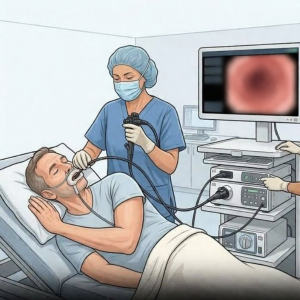
A colonoscopy is a medical procedure that allows doctors to examine the inside of your large intestine (colon) using a flexible tube with a small camera.
Purpose:
- Detect abnormal growths (polyps)
- Identify inflammation or ulcers
- Screen for colorectal cancer
It is both a diagnostic and preventive procedure.
Why Your Doctor May Recommend It
Doctors usually suggest a colonoscopy for several reasons:
Routine Screening
Most adults are advised to begin screening around age 45–50, even without symptoms.
Symptoms Investigation
You may need one if you experience:
- Persistent abdominal pain
- Blood in stool
- Unexplained weight loss
- Changes in bowel habits
Family History
A history of colorectal cancer increases your risk, making early screening essential.
Common Fears and Misconceptions
Many people feel anxious about colonoscopies, often due to misunderstandings.
“It’s painful”
In reality, most procedures are done under sedation, so patients feel little to no discomfort.
“It’s dangerous”
Complications are rare when performed by trained professionals.
“I don’t need it if I feel fine”
Early stages of colon cancer often show no symptoms, making screening crucial.
What Happens During the Procedure?
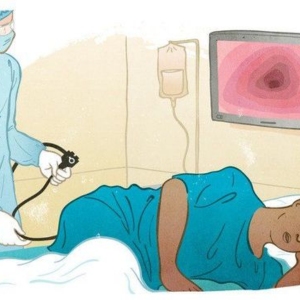
Understanding the process can help reduce anxiety.
Preparation
You’ll need to follow a special diet and take a bowel-cleansing solution to clear the colon.
During the Procedure
- You’ll be given sedation
- The doctor inserts a colonoscope through the rectum
- Images are displayed on a monitor
Duration
The procedure typically takes 20–40 minutes.
Benefits of a Colonoscopy
Early Detection
Colorectal cancer is highly treatable when detected early.
Prevention
Doctors can remove polyps before they turn into cancer.
Accurate Diagnosis
Provides clear, direct visualization of the colon.
Risks to Be Aware Of
Although generally safe, colonoscopies carry some minor risks:
- Temporary bloating or discomfort
- Rare bleeding or perforation
- Reactions to sedation
Your doctor will evaluate your individual risk before recommending the procedure.
Questions You Should Ask Your Doctor
Instead of avoiding the procedure, have an open discussion.
Important questions:
- Why do I need this test?
- Are there alternatives?
- What are the risks in my case?
- How should I prepare?
- What happens if something abnormal is found?
Being informed helps you make confident decisions.
Alternatives to Colonoscopy
In some cases, alternatives may be considered:
- Stool-based tests
- CT colonography (virtual colonoscopy)
However, these may not be as comprehensive and may still require a follow-up colonoscopy if results are abnormal.
Tips for a Smooth Experience
- Follow preparation instructions carefully
- Arrange transportation after the procedure
- Stay hydrated
- Ask questions if anything is unclear
Preparation plays a key role in ensuring accurate results.
When You Should Not Delay
Do not postpone a colonoscopy if:
- You have persistent symptoms
- Your doctor strongly recommends it
- You are in a high-risk group
Delays can reduce the chances of early detection.
Conclusion
A colonoscopy may sound intimidating, but it is a powerful tool for protecting your health. Rather than fearing the procedure, understanding its purpose and benefits can help you make informed decisions.
If your doctor recommends a colonoscopy, it’s not something to dismiss lightly. It could be a critical step in preventing serious disease—and in some cases, saving your life.