Did you know that if you have white bumps like these in your mouth, it might be related to…
Many people occasionally notice small white bumps or spots inside their mouth, especially on the tonsils, tongue, or inner cheeks. While these bumps are often harmless, they can sometimes signal underlying health conditions that require attention. From simple infections to more complex issues, understanding the possible causes of white bumps in the mouth is essential for maintaining good oral and overall health.
What Are These White Bumps?
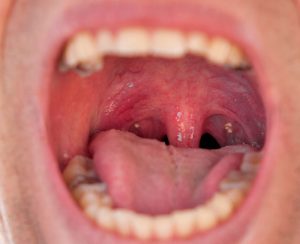
White bumps in the mouth can appear in different forms, such as:
- Small white or yellowish spots on the tonsils
- Raised bumps on the tongue or inner cheeks
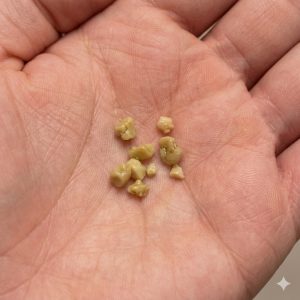
- Soft or hard deposits that may be removed
In some cases, these bumps are actually tonsil stones (tonsilloliths)—small, calcified formations that develop in the crevices of the tonsils.
1. Tonsil Stones (Tonsilloliths)
One of the most common causes of white bumps in the throat is tonsil stones.
These form when:
- Food particles
- Dead cells
- Bacteria
get trapped in the tonsils and harden over time.
Symptoms may include:
- Bad breath
- A feeling of something stuck in the throat
- Mild discomfort when swallowing
Although usually harmless, tonsil stones can be unpleasant and recurrent for some people.
2. Oral Thrush (Fungal Infection)
White patches in the mouth may also be a sign of oral thrush, a fungal infection caused by Candida yeast.
This condition is more common in:
- Infants and older adults
- People with weakened immune systems
- Individuals taking antibiotics
Symptoms include:
- Creamy white patches on the tongue or cheeks
- Redness or soreness
- Difficulty swallowing in severe cases
Unlike tonsil stones, these patches cannot be easily removed without causing irritation.
3. Poor Oral Hygiene
Inadequate oral hygiene can lead to the buildup of bacteria and debris, contributing to white bumps or deposits in the mouth.
Factors include:
- Not brushing or flossing regularly
- Food particles remaining in the mouth
- Bacterial overgrowth
Maintaining good oral hygiene is one of the simplest ways to prevent these issues.
4. Infections and Inflammation
Certain infections, such as tonsillitis or strep throat, can cause white spots or pus on the tonsils.
Symptoms may include:
- Sore throat
- Fever
- Swollen glands
- Difficulty swallowing
In these cases, medical treatment may be necessary, especially if symptoms are severe or persistent.
5. Other Possible Causes
Less commonly, white bumps may be related to:
- Canker sores (painful ulcers)
- Leukoplakia (thick white patches, often linked to irritation)
- Allergic reactions
While many of these conditions are benign, some may require further evaluation.
When Should You Be Concerned?
Most white bumps in the mouth are harmless, but certain warning signs should not be ignored:
- Persistent bumps lasting more than two weeks
- Severe pain or difficulty swallowing
- Rapid growth or spreading of lesions
- Accompanied symptoms such as fever or weight loss
If you notice any of these signs, it is important to seek medical advice.
How to Treat and Prevent White Bumps
Treatment depends on the underlying cause, but general recommendations include:
1. Maintain Good Oral Hygiene
Brush your teeth twice daily, floss regularly, and use mouthwash to reduce bacteria.
2. Stay Hydrated
Drinking enough water helps keep the mouth clean and prevents debris buildup.
3. Gargle with Salt Water
This can help reduce bacteria and soothe irritation.
4. Avoid Irritants
Limit smoking, alcohol, and overly spicy foods that may worsen symptoms.
5. Seek Medical Treatment if Needed
Doctors may prescribe antifungal medications, antibiotics, or other treatments depending on the diagnosis.
A Simple Habit Can Make a Big Difference
Regular dental check-ups and proper oral care play a key role in preventing most mouth-related issues. Even small changes, such as improving brushing techniques or staying hydrated, can significantly reduce the risk of developing white bumps.
Conclusion
White bumps in the mouth are usually harmless, but they should not be ignored—especially if they persist or cause discomfort. Whether caused by tonsil stones, infections, or poor hygiene, identifying the underlying issue is the first step toward effective treatment.
By paying attention to your oral health and seeking professional advice when necessary, you can prevent minor problems from becoming serious conditions. In many cases, your mouth can provide early clues about your overall health—so it’s important to listen.