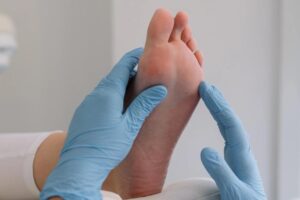
What Are Plantar Warts? Causes, Symptoms, and the Best Ways to Treat Them
Many people are alarmed when they discover rough, round bumps on the soles of their feet or around their toes.…
03/08/2026 04:16
Varicose veins affect millions of people worldwide, especially older adults, pregnant women, and individuals who spend long hours standing or sitting. Swollen, twisted veins often appear on the legs and may be accompanied by aching, heaviness, itching, or nighttime cramps. Because the condition can interfere with daily life, many people search for natural remedies online. One popular claim suggests that garlic and cloves can eliminate varicose veins and joint pain. But how much truth is there behind these viral health tips?


Garlic has been valued for centuries as both a culinary ingredient and a traditional remedy. It contains sulfur compounds such as allicin, which have been studied for their antioxidant and anti-inflammatory properties. Some research suggests that garlic may support heart health by helping maintain healthy blood pressure and improving overall vascular function when included as part of a balanced diet. However, there is no strong clinical evidence showing that eating garlic or applying it to the skin can make varicose veins disappear.
Cloves are another spice frequently promoted in home remedies. Rich in antioxidants and containing the natural compound eugenol, cloves have demonstrated anti-inflammatory effects in laboratory studies. They may contribute to overall health when used in cooking, but there is no reliable scientific evidence that cloves alone can reverse damaged veins or cure arthritis, rheumatism, or chronic leg pain.
Varicose veins develop when the tiny valves inside leg veins weaken or become damaged. Instead of moving efficiently back toward the heart, blood begins to pool inside the veins, causing them to enlarge and become visible beneath the skin. Factors such as age, family history, pregnancy, obesity, prolonged standing, and lack of physical activity all increase the risk.


Doctors recommend focusing on proven strategies to manage symptoms and slow progression. Regular walking and other low-impact exercise help improve circulation by activating the calf muscles, often called the body’s “second heart.” Maintaining a healthy weight can reduce pressure on the veins, while avoiding long periods of standing or sitting may help minimize discomfort.
Compression stockings are another common recommendation. These specially designed garments gently squeeze the legs, encouraging blood to flow upward and reducing swelling. Elevating the legs for short periods throughout the day may also provide temporary relief, especially after prolonged standing.
When symptoms become more severe, medical treatments are available. Depending on the condition, healthcare providers may recommend minimally invasive procedures such as sclerotherapy, endovenous laser therapy, radiofrequency ablation, or other treatments designed to close or remove damaged veins. These procedures are generally far more effective than unproven home remedies.
It is also important to be cautious with internet advice encouraging people to rub garlic, clove oil, or other strong substances directly onto the skin. Garlic can cause skin irritation or even chemical burns when applied for extended periods, particularly on sensitive skin. Essential oils, including clove oil, should always be diluted properly and used with caution, as they may trigger allergic reactions in some individuals.


A healthy diet remains an important part of vascular health. Foods rich in fiber may help prevent constipation, which can increase pressure inside the veins. Fruits, vegetables, whole grains, lean proteins, and adequate hydration all contribute to overall cardiovascular well-being. Garlic and cloves can certainly be included as flavorful ingredients in a balanced diet, but they should not replace evidence-based medical care.
If you experience persistent leg swelling, severe pain, skin ulcers, sudden redness, warmth, or tenderness in the leg, seek medical attention promptly. These symptoms could indicate a more serious condition requiring professional evaluation.
Natural foods can support a healthy lifestyle, but there is no miracle ingredient that instantly cures varicose veins. The best approach combines regular physical activity, healthy eating, proper medical guidance, and appropriate treatment when necessary. By relying on scientifically supported strategies, individuals can better manage symptoms, protect vein health, and maintain an active, comfortable life.
Many people are alarmed when they discover rough, round bumps on the soles of their feet or around their toes.…

A persistent cough is one of the best-known warning signs of lung cancer, but it is not the only symptom…

Whether you’re traveling for business or enjoying a vacation, your hotel room should be a place where you can relax…
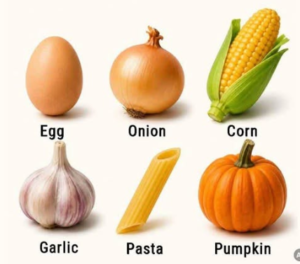
Personality quizzes like this are meant for fun—they’re not based on scientific psychology. Still, it’s interesting how our instincts and…

Uncover the hidden digital secrets within vintage photography style. Introduction: The Timeless Charm of the Swining Sixties There is something…

Learn how to safely identify and clear ticks from your home. The Midnight Panic: Unwelcome Visitors in the Bedroom Sanctuary…