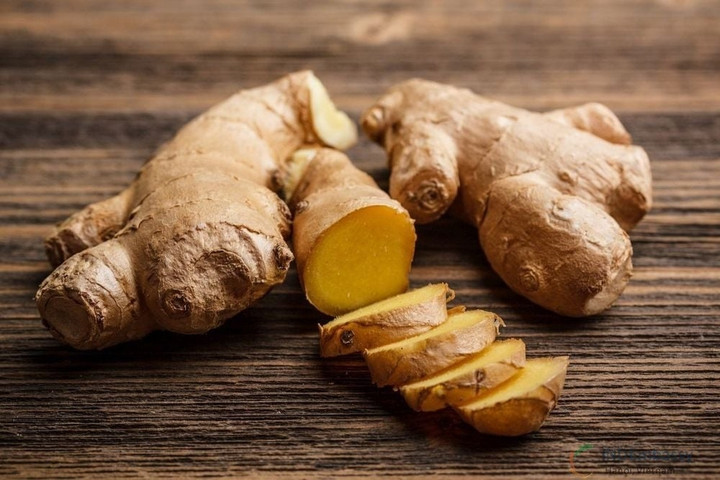
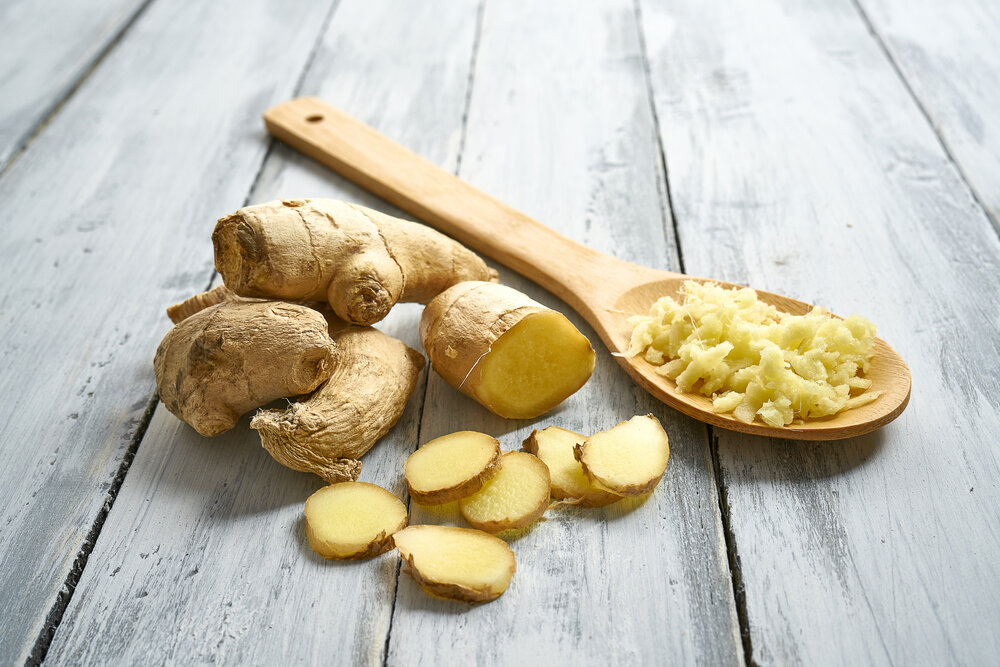
Ginger is widely known as a powerful natural remedy. For centuries, it has been used to help relieve nausea, improve digestion, reduce inflammation, and support the immune system. Many people add ginger to tea, soups, or meals because of its potential health benefits.
However, despite its reputation as a healthy ingredient, ginger may not be suitable for everyone. In certain situations or medical conditions, consuming large amounts of ginger could potentially cause unwanted effects.
Health experts suggest that people with the following conditions should be cautious when consuming ginger.
1. People With Blood Disorders or Those Taking Blood Thinners
Ginger naturally contains compounds that may thin the blood and reduce clotting. While this can be beneficial for some individuals, it may pose risks for people who:
Have bleeding disorders
Are taking blood-thinning medications such as warfarin or aspirin
Excess ginger could increase the risk of bleeding or bruising.
2. People With Gallstones
Ginger may stimulate bile production in the digestive system. While this helps digestion for many people, it could potentially trigger discomfort or complications in individuals who already have gallstones.
Doctors often recommend consulting a healthcare professional before consuming large amounts of ginger if gallbladder issues are present.
3. People With Low Blood Pressure
Ginger may slightly lower blood pressure. For most people, this effect is mild and beneficial. However, individuals who already have low blood pressure or who take medications for hypertension should be cautious.
Consuming too much ginger could cause dizziness, weakness, or lightheadedness.
4. Pregnant Women in Certain Stages
Although ginger is sometimes used to relieve nausea during early pregnancy, large doses are not always recommended, especially later in pregnancy.
Some experts suggest limiting intake because ginger may affect hormone levels or increase the risk of bleeding in certain situations.
Pregnant women should always consult their doctor before using ginger as a supplement.
5. People With Certain Heart Conditions
Because ginger can influence blood pressure and circulation, people with specific heart conditions or those taking heart medications should be careful when consuming it regularly.
Combining ginger with certain medications could potentially lead to unexpected interactions.
Moderation Is Key
For most healthy individuals, moderate amounts of ginger in food or tea are generally considered safe. The key is balance and awareness of your own health condition.
If you have any chronic illness or take prescription medication, it’s always wise to consult a healthcare professional before significantly increasing your ginger intake.
Natural remedies can be beneficial, but they should always be used thoughtfully and responsibly.