If you’ve ever checked into a hotel room, you’ve likely noticed a decorative strip of fabric placed neatly across the foot of the bed. While it may appear to be just a stylish addition, this piece—commonly known as a bed runner—actually serves several practical purposes. From hygiene to convenience, this small detail reflects thoughtful design that enhances both functionality and guest experience.
What Is a Bed Runner?
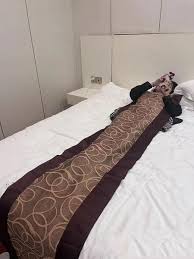
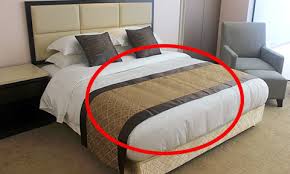
A bed runner is a narrow piece of fabric placed horizontally across the lower part of a bed. It is typically made from durable materials and designed to match the room’s color scheme.
Unlike sheets or blankets, it is not meant for sleeping under. Instead, it acts as a protective and functional layer.
1. Protecting Clean Bedding
One of the primary purposes of a bed runner is to protect the bed linens.
Guests often:
- Sit on the edge of the bed after coming in from outside
- Place luggage, handbags, or shoes on the bed
- Rest personal items temporarily
Since these items may carry dirt or bacteria, the bed runner acts as a barrier, keeping the clean white sheets underneath protected.
2. A Spot for Shoes and Bags
Travelers frequently need a place to put their belongings. The bed runner provides a convenient solution.
It is often used for:
- Placing shoes while removing or adjusting them
- Setting down backpacks or handbags
- Holding jackets or accessories
Because it is made from sturdier fabric, it can handle more wear than delicate bedding.
3. Enhancing Room Aesthetics
Hotels carefully design their rooms to create a welcoming and luxurious atmosphere.
The bed runner helps by:
- Adding color and contrast to plain white bedding
- Creating a polished and symmetrical look
- Complementing the overall interior design
Without it, the bed might appear less visually appealing.
4. A Practical Surface for Guests
Some guests use the bed runner as a temporary surface for everyday activities.
For example:
- Sitting on the bed while fully dressed
- Placing laptops, books, or trays
- Even eating snacks (though not recommended)
It offers a more durable layer than the sheets, reducing the risk of stains.
5. Easy Maintenance for Hotels
From a hotel’s perspective, bed runners are highly practical.
They:
- Are easier and cheaper to clean than full bedding
- Can be replaced quickly if stained or damaged
- Help extend the lifespan of sheets and blankets
This makes them a cost-effective solution for maintaining cleanliness and quality.
6. Hygiene Considerations
While bed runners are useful, they are often the least frequently washed item on the bed.
This is because:
- They are designed to handle dirt and external contact
- They do not come into direct contact with sleeping areas
For this reason, some travelers prefer to remove the runner upon arrival for extra hygiene.
Should You Remove It?
There is no strict rule, but many experienced travelers choose to:
- Fold and set aside the bed runner
- Avoid placing personal items on it
This is especially common among those who prioritize cleanliness and want to minimize contact with potentially contaminated surfaces.
Interesting Travel Insight
The placement of the bed runner is not random. Hotels position it at the foot of the bed because this is where guests are most likely to sit, place items, or interact with the bed while still wearing outdoor clothing.
This thoughtful design reflects how hotels anticipate guest behavior.
Conclusion
The cloth placed across hotel beds is much more than a decorative element. Known as a bed runner, it serves multiple functions—from protecting bedding and improving hygiene to enhancing the room’s visual appeal and providing convenience for guests.
Although often overlooked, this simple feature highlights the careful planning behind hotel design. The next time you check into a hotel room, you’ll know that this small detail plays a big role in your comfort and experience.