When a cat rubs against you, this is what it means
If you’ve ever owned or interacted with a cat, you’ve likely experienced the familiar sensation of a cat rubbing against your legs, hands, or even your face. This behavior, often seen as a sign of affection, is actually much more complex. Cats use body language as their primary form of communication, and rubbing is one of their most meaningful gestures. Understanding why cats do this can help strengthen the bond between you and your feline companion.
1. A Sign of Affection and Trust
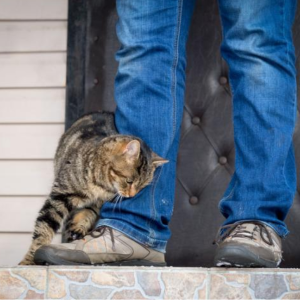
One of the most common reasons cats rub against people is to show affection.
When a cat chooses to come close and touch you, it means:
- It feels safe around you
- It trusts you
- It enjoys your presence
Unlike dogs, cats are often more selective with their affection. So when a cat rubs against you, it’s a genuine sign that you’ve earned its trust.
2. Marking You as “Theirs”
Cats have scent glands located on various parts of their bodies, including their cheeks, forehead, and sides.
When they rub against you, they are:
- Leaving their scent on you
- Marking you as part of their territory
- Claiming you as someone familiar and safe
This behavior is known as “bunting.” It’s not about ownership in a negative sense—it’s a way for cats to feel secure in their environment.
3. A Way of Greeting
Rubbing can also be a form of greeting.
When you return home or enter a room, your cat may:
- Approach you
- Rub against your legs
- Follow you around
This is their way of saying “hello” and acknowledging your presence. It’s similar to how humans shake hands or hug.
4. Seeking Attention or Food
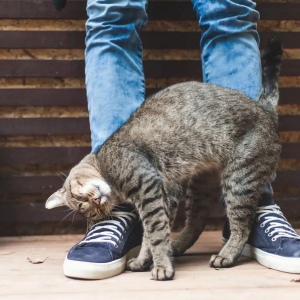
Sometimes, the reason is more practical.
Cats quickly learn patterns, such as feeding times or routines. If your cat rubs against you while:
- Meowing
- Leading you toward the kitchen
- Circling your legs
it may be asking for food or attention. This behavior combines affection with communication.
5. Comfort and Stress Relief
Rubbing can also help cats feel calm and secure.
By spreading their scent:
- They create a familiar environment
- Reduce stress or anxiety
- Reinforce a sense of control
This is especially common in new environments or situations where the cat feels uncertain.
6. A Social Bonding Behavior
Cats are naturally social animals, even though they are often seen as independent.
Rubbing is part of how they:
- Build relationships
- Strengthen social bonds
- Communicate nonverbally
In multi-cat households, you may notice cats rubbing against each other for the same reason.
How Should You Respond?
When a cat rubs against you, it’s usually a positive interaction. You can respond by:
- Gently petting the cat
- Speaking softly
- Acknowledging its presence
Avoid pushing the cat away abruptly, as this may confuse or upset it.
When to Pay Attention to Changes
While rubbing is normal, sudden changes in behavior may indicate something else.
Be aware if your cat:
- Rubs excessively
- Shows signs of irritation or discomfort
- Combines rubbing with unusual behavior
In such cases, it may be worth consulting a veterinarian.
A Deeper Understanding of Feline Behavior
Cats communicate in subtle but meaningful ways. What may seem like a simple action—rubbing against your legs—is actually a combination of affection, communication, and instinct.
By understanding this behavior, you can:
- Build a stronger bond with your cat
- Better respond to its needs
- Appreciate its unique way of expressing emotions
Conclusion
When a cat rubs against you, it’s not just a random habit—it’s a powerful form of communication. Whether your cat is showing affection, marking territory, or simply greeting you, this behavior reflects trust and connection.
In the quiet language of cats, a gentle rub can say a lot. By paying attention and responding with care, you can deepen your relationship with your feline companion and better understand the world from their perspective.