
The Incredible Health Benefits of Red Onions You Should Know
Discover how red onions boost immune function, heart wellness, and overall daily vitality. Red onions are far more than a…
06/08/2026 14:26
Clear rear window fog and frost instantly for safer driving.
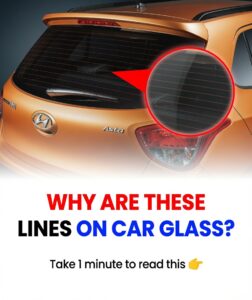
If you have ever looked through the rear windshield of a hatchback, sedan, or SUV, you have likely noticed a series of thin, reddish-brown horizontal grid lines running across the glass. Many drivers mistake these marks for simple decorative elements, tinted film borders, or radio antenna wires built into the glass pane. However, these thin lines serve a crucial safety and performance function every time you hit the road in cold, rainy, or humid weather.
The horizontal lines on your car’s rear glass are embedded electrical heating filaments, commonly known as the rear defogger grid or defroster lines. These thin metallic strips, typically made from a blend of conductive silver paste and ceramic materials, warm up when an electric current passes through them. By converting electrical energy into mild thermal heat, the lines clear fog, condensation, ice, and mist from your rear glass within minutes, giving you an unobstructed view of the road behind you.

The science behind rear window defrosters is straightforward yet effective. Understanding how electric currents generate mild heat across glass surfaces helps highlight why these subtle lines are so valuable for everyday driving comfort and safety.
When moisture droplets collect on cold glass surfaces due to temperature differences between the interior cabin and exterior air, your view becomes blurred. Turning on the rear defrost button sends a controlled 12-volt current from your car’s battery straight through the grid lines.
Unlike front windshield defrosters—which rely mostly on warm air blown from the dashboard HVAC vents—the rear window system heats the glass directly from within. This allows rear glass to clear up much faster than waiting for hot air from the engine bay to travel all the way to the back of the cabin.
Rear glass heating lines are far more than an extra convenience feature; they play a vital role in everyday vehicle operation and driver safety.
Driving during heavy rainstorms, humid mornings, or freezing winter evenings creates immediate temperature imbalances inside your car. Without a dedicated heating grid, condensation quickly coats the glass, completely blocking your rear vision. Turning on the defogger restores full visibility in just two to three minutes.
Safe driving relies heavily on accurate situational awareness. Having a clean, clear rear window allows you to:
Many modern vehicles house delicate sensors, rear-facing cameras, and radio receiver modules near the top or bottom edges of the rear glass. Maintaining a dry, warm environment prevents excess moisture buildup from seeping into electronic housing units or creating electrical short circuits.
A common question among vehicle owners is why cars use different clearing methods for the front and rear glass windows.
While the rear window relies on conductive heating wires printed on the interior surface, the front windshield uses a multi-layered laminated glass construction. Front windshields must withstand direct impacts from road debris, rocks, and flying stones. Printing visible wires across the main front windshield could impair forward vision and fail if the glass chips.
Instead, the front windshield relies on high-velocity warm air streams channeled through dashboard vents, while the back glass relies on embedded resistive wires for rapid, silent heat transfer.
Because the defogger lines are printed onto the inner surface of the rear glass, they can occasionally suffer physical damage or electrical failures if handled roughly during cleaning or window tinting.

Carrying sharp objects, bulky luggage, or pets in the trunk area can scratch the exposed metallic grid. A single break in a line disrupts the electrical circuit, preventing that specific line—or the entire section below it—from heating up.
To preserve the life of your rear defogger grid:
If a section of your defogger stops working, you do not necessarily need to replace the entire glass assembly. Auto supply shops offer affordable conductive grid repair kits. These kits contain liquid conductive paint that bridges microscopic breaks in the line, restoring full electrical continuity and heating power.
The thin lines running across your car’s rear glass are a classic example of smart, practical automotive engineering. By turning simple electrical resistance into immediate surface warmth, these defogger grid lines keep your view clear, eliminate stubborn mist, and ensure safer journeys in all weather conditions. Taking good care of your interior glass ensures these handy heating lines keep working efficiently for years to come.
Discover how red onions boost immune function, heart wellness, and overall daily vitality. Red onions are far more than a…

Fifteen years is a terrifyingly long time to live with an open wound in your chest. It is five thousand…

Discover the ingenious low-tech reason glass bottles are hung on fences. When traveling through rural farmlands, remote properties, or perimeter…

Discover natural ways to support joint flexibility and overall vitality. In today’s fast-paced world, maintaining everyday physical comfort, joint flexibility,…

The metallic click of the magistrate’s heavy fountain pen echoed against the high wooden walls of the Kolkata Family Court…
Clear rear window fog and frost instantly for safer driving. If you have ever looked through the rear windshield of…