What Is the “Dark Vein” in Shrimp and Should You Eat It?
Introduction
If you have ever prepared fresh seafood at home, you have likely noticed a dark line running along the back of a raw shrimp. This thin strand, often referred to as the “dark vein,” frequently sparks curiosity and debate among home cooks and seafood enthusiasts alike. Is it a real blood vessel? Does leaving it intact alter the taste of your meal? Should you always take the time to remove it before cooking?
Understanding what this line actually is—and how it affects your dish—can help you prepare delicious, high-quality seafood meals with total confidence. Here is everything you need to know about the dark strand in shrimp and the best culinary practices for handling it.
What Exactly Is the Dark Line in Shrimp?
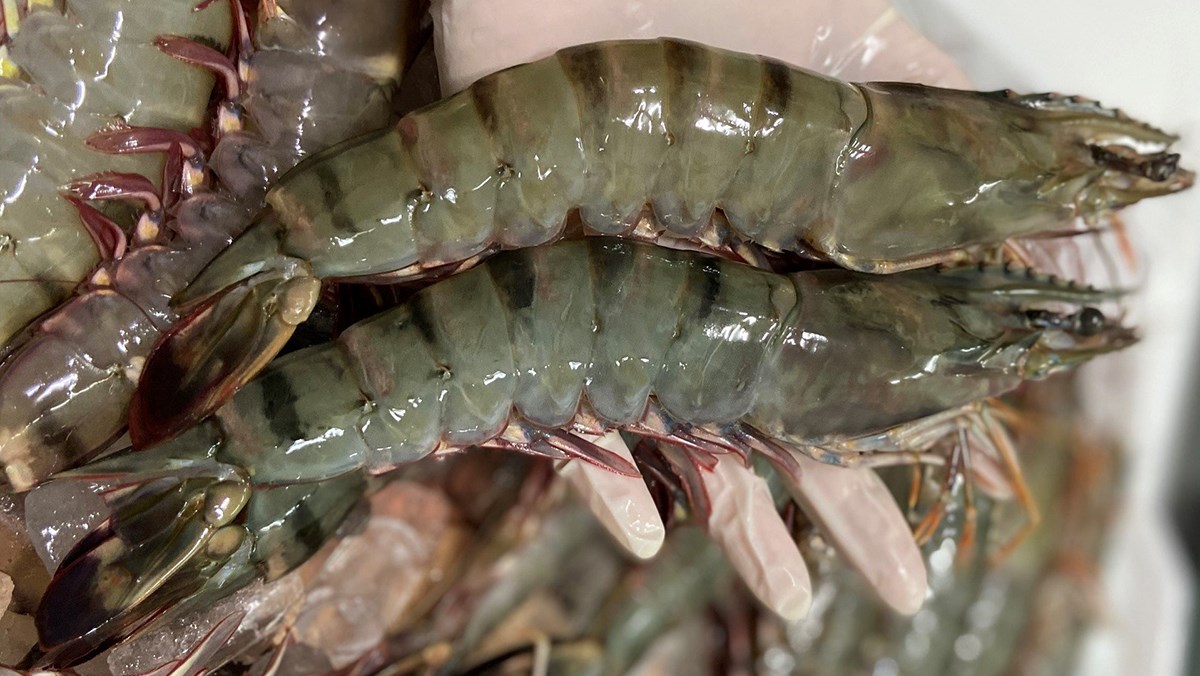
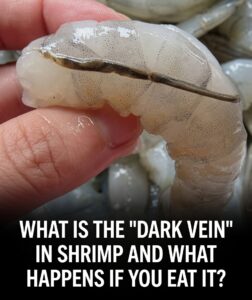
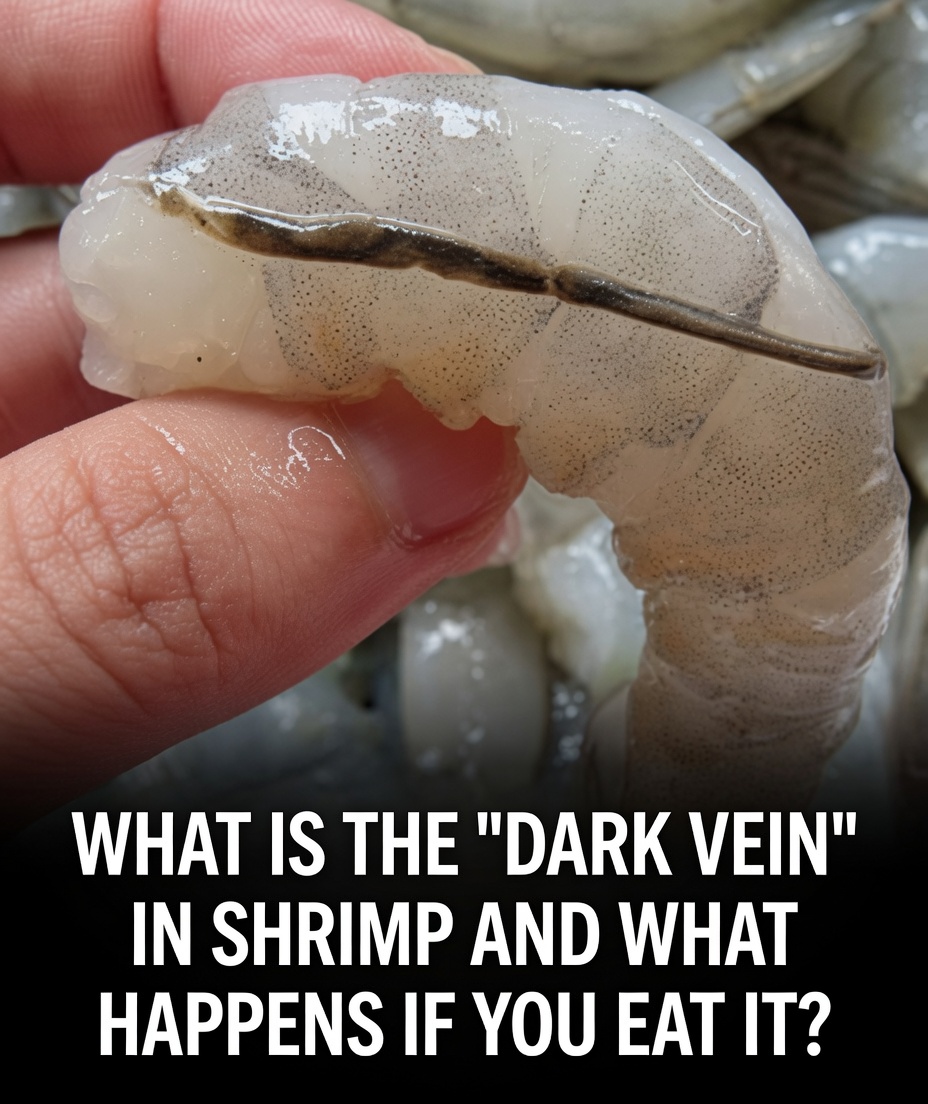
Despite its common name, the dark strand running down the outer curve of the shrimp is not a vein carrying blood. It is actually the crustacean’s digestive tract, sometimes called the “sand vein.”
Because shrimp feed along the seabed, their digestive tract contains tiny particles of sand, silt, organic material, and digested food. The color of the line can vary depending on what the shrimp recently ate—ranging from dark brown or black to translucent or even faint green.
Additionally, some shrimp feature a second line running along their underside. This lower line is a nerve cord, which is thin, harmless, and virtually unnoticeable during preparation.
What Happens If You Eat the Shrimp Vein?
Consuming the dark line is generally harmless when the seafood is thoroughly cooked. Heating shrimp to standard cooking temperatures prepares the ingredient properly for consumption.
In many coastal regions around the world, small to medium-sized shrimp are routinely cooked and served whole with their shells, heads, and veins intact. In these traditional dishes, eating the vein is standard practice and causes no issues.
However, while consuming it is not inherently harmful, leaving the strand in larger shrimp can noticeably affect your dining experience.
Key Reasons to Remove the Line Before Cooking
While leaving the strand intact is not a concern, most chefs and home cooks choose to remove it for three practical culinary reasons:
1. Texture Quality
Because the digestive tract contains fine ocean sediments and sand, biting into an un-cleared large shrimp can create a gritty or sandy crunch. Removing the vein ensures every bite remains smooth and tender.
2. Taste Profile
The contents of the digestive tract can impart a slightly bitter or muddy flavor note to the sweet, delicate meat of the shrimp. Cleaning the line preserves the pure, natural taste of your seafood.
3. Visual Presentation
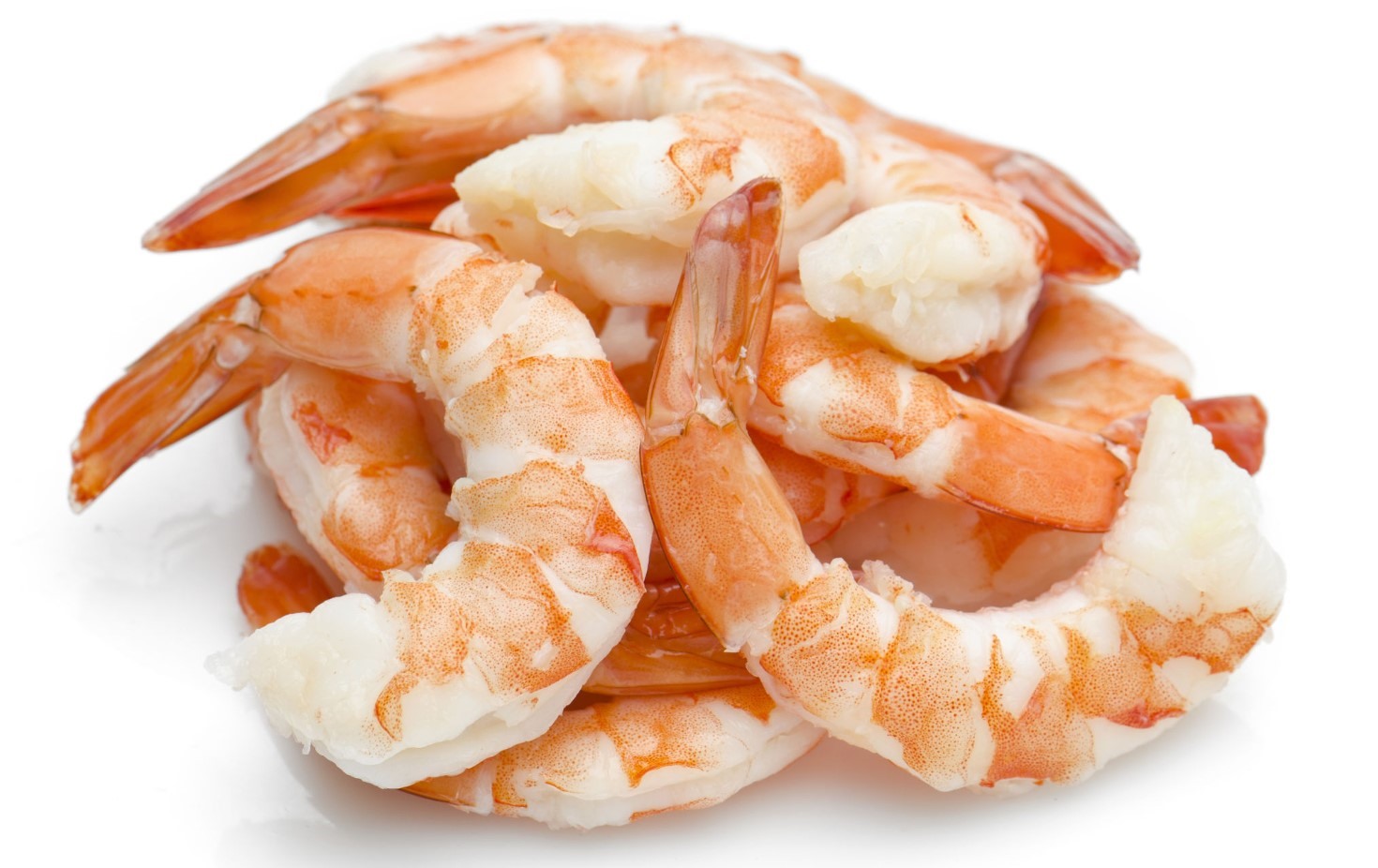
A clean shrimp looks significantly more appealing on the plate. For elegant dishes like shrimp cocktails, pasta, or stir-fries, removing the dark line provides a polished, professional presentation.
How to Easily Devein Shrimp in 3 Simple Steps
Removing the dark strand is a straightforward kitchen technique that takes only a few seconds per shrimp:
-
Step 1: Peel the Shell. Peel away the outer shell, leaving the tail intact if desired for presentation.
-
Step 2: Make a Shallow Cut. Hold the shrimp firmly and use a small paring knife to make a shallow slit along the outer back curve.
-
Step 3: Lift and Rinse. Use the tip of the knife or a toothpick to gently lift out the dark strand. Rinse the cleaned shrimp under cool running water and pat dry.
Summary
The dark line on shrimp is simply its digestive tract. While eating it in well-cooked shrimp is fine, removing it improves texture, preserves flavor, and elevates the presentation of your seafood dishes.