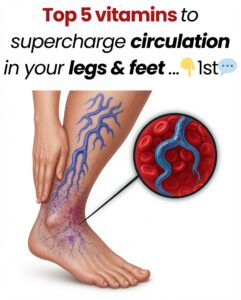
Top 5 Vitamins to Supercharge Circulation in Your Legs and Feet Naturally
Discover key nutrients that support healthy blood flow to your lower limbs!
Have you ever noticed a persistent feeling of heaviness, mild tingling, or swelling in your lower legs and feet after a long day of sitting or standing? Because your lower extremities are the furthest points from your heart, pumping blood continuously back up against gravity is a demanding task for your cardiovascular system. When blood flow becomes sluggish, your feet and ankles are often the first places to show signs of discomfort.
While daily movement, hydration, and proper footwear play essential roles in circulatory health, targeted micronutrients provide crucial support from within. Specific vitamins and minerals strengthen blood vessel walls, encourage vascular flexibility, and assist natural fluid balance. Here is a comprehensive guide to the top 5 essential vitamins and nutrients that help optimize circulation in your legs and feet.

Understanding Lower Limb Circulation and Its Common Signs
Your circulatory system is an intricate network of arteries, veins, and capillaries designed to deliver oxygen and nutrients to every cell while returning cellular waste to the heart and lungs. Because gravity constantly pulls fluids downward, your calf muscles act as a natural secondary pump to squeeze veins and push blood upward.
When lifestyle factors—such as prolonged sitting at a desk, lack of physical activity, or nutritional gaps—slow down this process, you may experience common warning signs, including:
- Mild swelling or fluid retention around the ankles and feet
- Sensation of coldness in toes or lower limbs
- Occasional numbness or a pins-and-needles feeling
- Restless or heavy legs at the end of the evening
- Visible, enlarged veins under the surface of the skin
Incorporating key vitamins into your daily wellness routine can nourish blood vessels and maintain smooth, efficient blood vessel function.
1. Vitamin C: Strengthening Blood Vessel Walls
Vitamin C (ascorbic acid) is widely celebrated for immune support, but it is equally vital for vascular integrity. Your blood vessels are lined with collagen, a structural protein that keeps arteries and veins firm, elastic, and resilient against daily pressure.
How Vitamin C Supports Blood Flow
- Collagen Synthesis: Vitamin C is a necessary cofactor in producing collagen, helping repair damaged capillaries and maintaining strong vein walls.
- Nitric Oxide Production: It helps preserve levels of nitric oxide, a natural molecule that signals blood vessels to relax and widen, promoting smoother blood movement.
- Antioxidant Protection: By neutralizing free radicals, Vitamin C protects the delicate inner lining of blood vessels from oxidative stress.
Best Food Sources
You can easily find Vitamin C in citrus fruits like oranges and lemons, bell peppers, strawberries, broccoli, kiwis, and dark leafy greens.
2. Vitamin E: Enhancing Vascular Flexibility and Smooth Flow
Vitamin E is a powerful fat-soluble antioxidant that plays a protective role in cell membranes throughout the circulatory network. It helps prevent blood components from sticking together excessively, encouraging fluid movement through narrow capillaries.

Key Benefits for Lower Extremities
- Prevents Lipid Oxidation: It prevents cholesterol particles in the bloodstream from oxidizing, which helps keep arterial walls smooth and clear.
- Promotes Microvascular Health: Vitamin E supports the tiny capillaries in your toes and feet, ensuring tissue receives adequate oxygenation.
- Reduces Muscle Fatigue: By supporting oxygen delivery to calf muscles, it can help ease nighttime leg cramps and physical fatigue.
Best Food Sources
Incorporate sunflower seeds, almonds, spinach, avocados, hazelnuts, and wheat germ oil into your daily meals to boost your Vitamin E intake naturally.
3. Vitamin B3 (Niacin): Boosting Natural Vessel Dilation
Among the B-complex group, Vitamin B3 (niacin) is particularly renowned for its circulatory benefits. Niacin works directly on vascular smooth muscle to help expand blood vessels—a process known as vasodilation.
Why Niacin Matters for Your Legs
- Relaxes Blood Vessels: By stimulating the release of prostaglandins, niacin relaxes constricted vessels, allowing blood to flow more freely to extremities.
- Supports Lipid Balance: Niacin helps maintain healthy cholesterol ratios, which supports long-term arterial health.
- Reduces Cold Feet: Enhanced peripheral dilation helps bring warm blood down to cold, tingling toes.
Note: High-dose niacin supplements can cause a temporary, harmless skin flushing reaction. It is best to start with dietary sources or low-dose supplements under professional guidance.
Best Food Sources
Rich sources of Vitamin B3 include chicken breast, tuna, turkey, peanuts, green peas, mushrooms, and brown rice.
4. Vitamin K2: Directing Calcium Away from Arteries
While Vitamin K1 is essential for normal blood clotting, Vitamin K2 (menaquinone) plays a unique role in directing how calcium is distributed throughout the body. Without sufficient K2, excess calcium can accumulate in soft tissues, including arterial walls, leading to stiffness.
How Vitamin K2 Optimizes Vascular Health
- Inhibits Arterial Calcification: Vitamin K2 activates a specialized protein called Matrix Gla Protein (MGP), which actively prevents calcium from depositing on vessel walls.
- Maintains Vessel Elasticity: By keeping calcium in bones where it belongs, K2 ensures arteries and veins remain pliable and elastic.
- Supports Healthy Venous Return: Elastic veins can expand and contract efficiently, aiding the upward return of blood from the lower legs.
Best Food Sources
Vitamin K2 is found in fermented foods like natto, hard cheeses, egg yolks, butter from grass-fed cows, and dark poultry meats.
5. Vitamin D3: Regulating Vascular Tone and Inflammation
Often called the “sunshine vitamin,” Vitamin D3 is essential for regulating systemic inflammation and endothelial function—the thin inner lining of every blood vessel in your body.
The Impact of Vitamin D3 on Circulation
- Supports Endothelial Health: Vitamin D receptors are located throughout the vascular system, where they help maintain vessel flexibility and reduce stiffness.
- Balances Inflammatory Signals: It modulates immune responses to keep vessel walls calm, smooth, and free from chronic irritation.
- Encourages Fluid Balance: By working alongside minerals like calcium and magnesium, Vitamin D supports healthy fluid regulation in lower limbs.
Best Food Sources and Exposure
Your body produces Vitamin D3 naturally when exposed to moderate sunlight. Nutritional sources include fatty fish (salmon, mackerel, sardines), egg yolks, and fortified dairy or plant milks.
Complementary Nutrients and Bioflavonoids
In addition to the core vitamins mentioned above, several plant-derived bioflavonoids work synergistically with vitamins to supercharge lower limb circulation:
- Rutin and Hesperidin: These natural citrus flavonoids strengthen capillary walls, reduce fluid leakage into tissues, and ease ankle swelling.
- Omega-3 Fatty Acids: Abundant in fish oil and flaxseed, omega-3s keep blood platelets smooth and support overall cardiovascular elasticity.
- Magnesium: This essential mineral works closely with B vitamins to relax vascular muscle walls and prevent nocturnal leg cramps.
Practical Daily Lifestyle Tips for Healthy Legs
Supplements and nutrient-rich foods work best when paired with active lifestyle habits that encourage natural venous return:
1. Stay Moving Throughout the Day
If you work at a desk, set a timer to stand up, walk, or stretch every 45 to 60 minutes. Simple calf raises at your desk act as a pump to push trapped blood out of your lower legs.
2. Elevate Your Feet
At the end of the day, lie down and rest your legs on a pillow or against a wall for 15 to 20 minutes above heart level. This simple gravity-assisted technique helps drain accumulated fluid from feet and ankles.
3. Maintain Optimal Hydration
Drinking adequate water throughout the day keeps blood at a healthy viscosity, preventing sluggish circulation and reducing fluid retention.
4. Wear Comfortable, Non-Restrictive Clothing
Avoid extremely tight socks, bands, or skinny jeans that constrict blood flow around the knees, thighs, or waistline.
Safe Supplementation and Professional Guidance
While dietary sources of these vitamins are safe and beneficial for general wellness, high-dose supplementation requires thoughtful consideration:
- Blood Thinner Considerations: If you are taking prescription medications like blood thinners, consult your physician before adding Vitamin K, Vitamin E, or Ginkgo Biloba supplements, as they can interact with medication activity.
- Individualized Dosages: A qualified healthcare practitioner can help evaluate your baseline nutrient levels and recommend tailored dosages suited to your specific health profile.
By nourishing your body with Vitamin C, E, B3, K2, and D3 alongside an active daily routine, you can effectively support blood flow, relieve leg heaviness, and keep your feet feeling energized every day!