
Hidden Risks in Aquatic Fruits: How to Eat Water Caltrops Safely
Introduction Aquatic plants and water fruits have long been cherished in many traditional cuisines around the globe. Among these, water…
05/08/2026 15:23
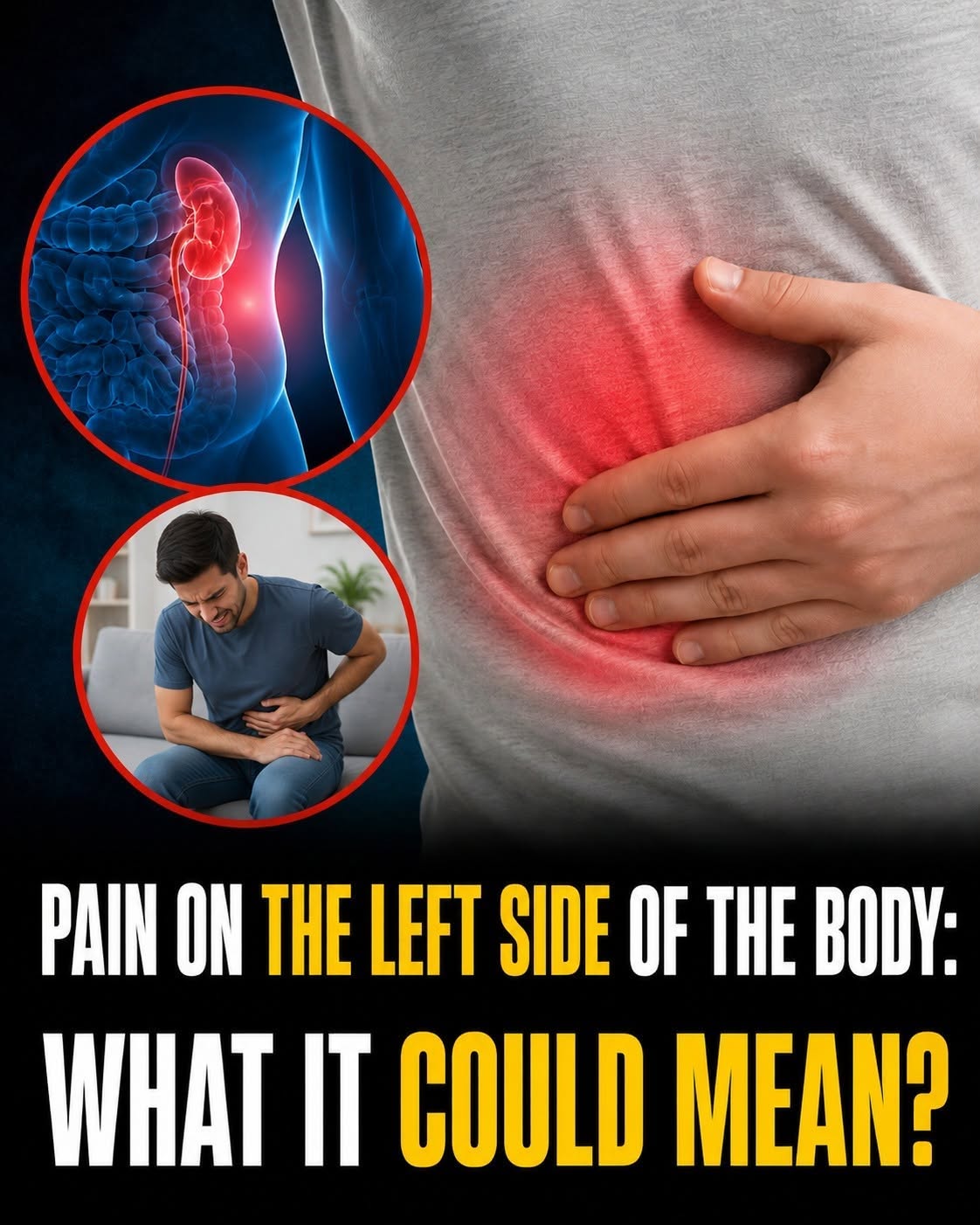
Discomfort on the left side of the torso can originate from various structures, including organs, muscles, nerves, or skeletal components located in the chest, abdomen, or flank regions. Understanding how different bodily systems contribute to these sensations can help clarify when standard rest is suitable and when professional evaluation becomes necessary.
Sensations can vary significantly depending on the underlying structure involved. Below is a breakdown of potential factors organized by primary regions.
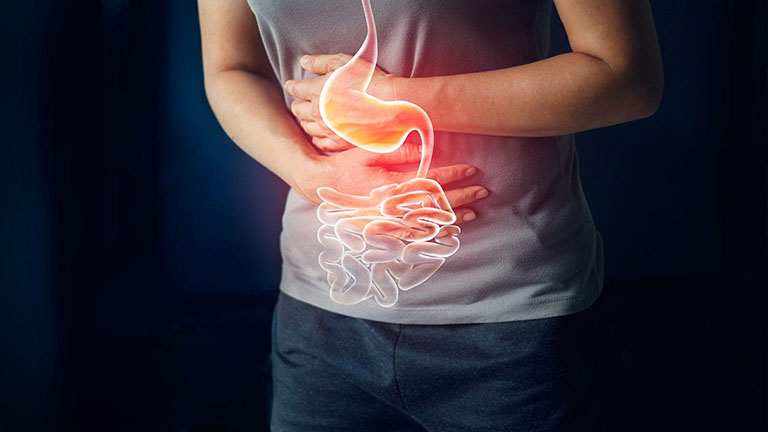
Digestive Factors: Issues such as acid reflux, indigestion, or inflammation of the stomach lining often create burning or dull aching in the upper abdomen.
Musculoskeletal Stress: Strained intercostal muscles between the ribs or joint inflammation can lead to sharp, localized sensitivity that worsens during deep breathing or movement.
Splenic Conditions: The spleen resides under the left ribcage. Swelling or injury in this area may cause fullness or direct tenderness.
Intestinal Patterns: Diverticular concerns, gas accumulation, or general bowel irregularity frequently present in the lower left abdominal quadrant.
Kidney Health: Conditions affecting the left kidney—such as stones or localized irritation—often radiate from the side or lower back toward the front.
Reproductive System: Specific structural factors in the pelvis can cause localized aching or intermittent pressure on the left side.
| Region | Common Characteristics | Potential Sources |
| Upper Chest / Ribs | Sharp, localized, deep breath aggravation | Muscle strain, rib cartilage irritation |
| Mid / Upper Abdomen | Burning, fullness, meal-related timing | Indigestion, stomach lining sensitivity |
| Lower Abdomen / Flank | Cramping, aching, radiating back tension | Bowel patterns, kidney discomfort |
While many instances resolve with hydration, rest, and simple dietary adjustments, certain indicators warrant immediate care from a qualified practitioner:
Sudden pressure, tightness, or heavy feeling in the chest area
Discomfort radiating to the shoulder, jaw, or arm
Difficulty breathing or shortness of breath
Persistent high body temperature or unexplained nausea
Unusually severe or rapidly escalating abdominal tension
Maintaining balanced physical wellness can reduce stress on bodily tissues:
Stay Hydrated: Adequate fluid intake supports kidney functionality and smooth digestion.
Maintain Balanced Nutrition: Consuming adequate dietary fiber promotes steady intestinal motility.
Practice Ergonomic Movement: Proper posture and safe lifting techniques protect abdominal and back muscles from unnecessary strain.
Introduction Aquatic plants and water fruits have long been cherished in many traditional cuisines around the globe. Among these, water…
Part One: The Silence He Never Expected Ryan entered the kitchen with one hand gripping the handle of his suitcase.…

Discomfort on the left side of the torso can originate from various structures, including organs, muscles, nerves, or skeletal components…

Checking into a hotel room is usually a moment of relaxation after a long trip. However, an increasing number of…

Who made the smartest choice? Discover essential kitchen safety rules. A viral puzzle image recently sparked massive debate online. It…

Understanding Lower Extremity Fluid Retention Fluid accumulation in the lower body, including the feet, ankles, and legs, is a common…