Discover simple ways to care for smooth skin naturally at home.
Understanding Common Skin Bumps and How to Care for Them
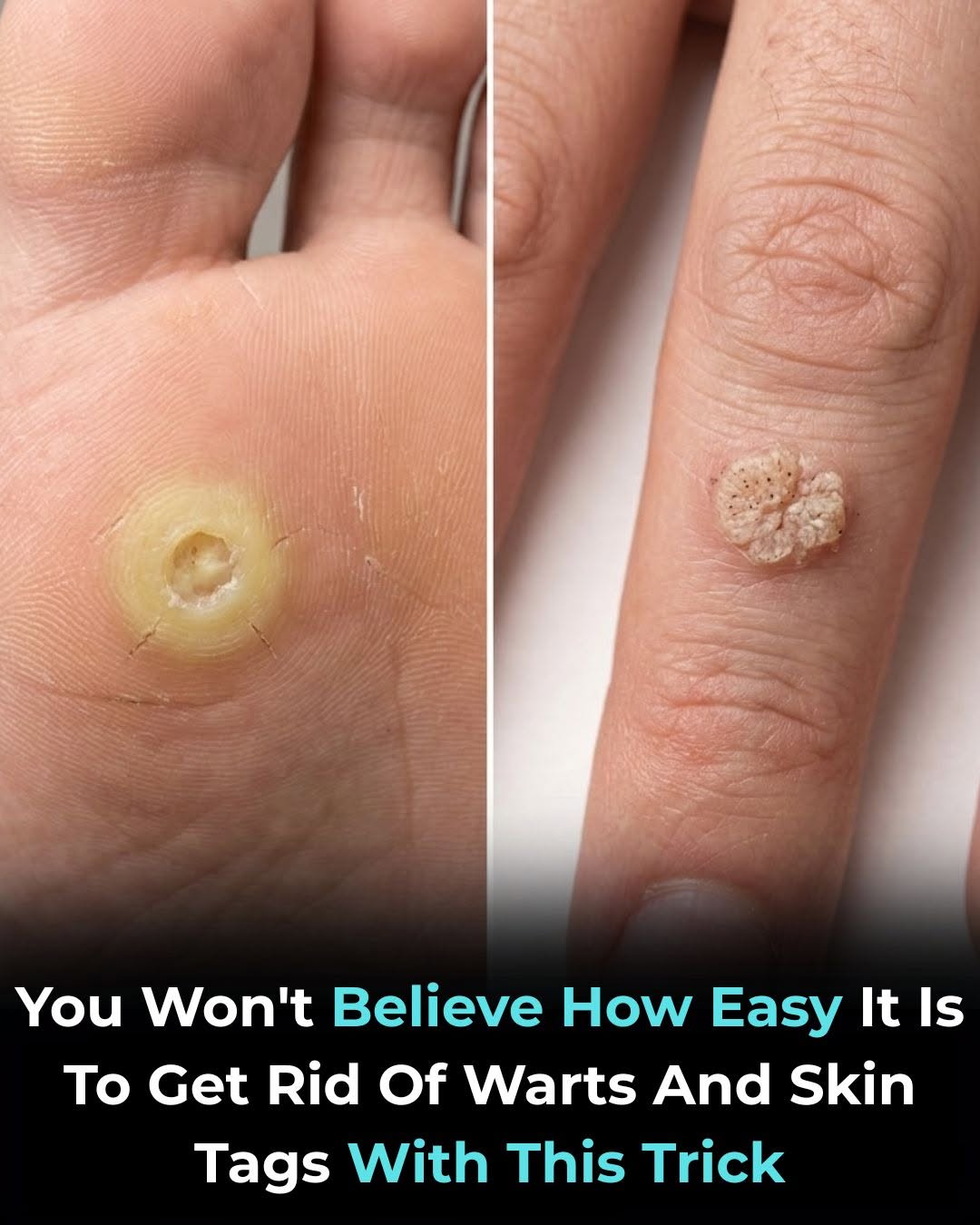
Unusual textures or small bumps on the skin can appear for a variety of reasons. Whether on the palms, feet, or neck, maintaining healthy and smooth skin requires a careful approach. Understanding how skin tissue responds to daily friction, moisture, and hygiene routines allows you to make informed choices about your personal care.
Many individuals look for non-invasive, gentle routines to manage skin rough spots, calluses, and superficial skin growth. Before applying any new home care method, it is crucial to recognize the importance of patience, skin safety, and knowing when to consult a qualified dermatologist or healthcare provider.
Gentle Home Maintenance Routines
Maintaining clean and well-hydrated skin forms the foundation of any supportive skincare routine. Here are practical, everyday habits to help maintain clear and comfortable skin:
1. Warm Soaks and Mild Exfoliation
-
Warm Water Soaking: Soaking the affected area in warm water for 10 to 15 minutes softens thickened outer skin layers.
-
Gentle Buffing: Using a clean pumice stone or disposable emery board can gradually remove softened dead skin cells. Always avoid aggressive rubbing to prevent irritation or broken skin.
-
Proper Drying: Gently pat the area dry with a fresh towel to prevent dampness, which can encourage undesirable skin conditions.
2. Over-the-Counter Care Solutions
-
Salicylic Acid Patches and Liquids: Widely available topical solutions containing mild salicylic acid can aid in shedding dead skin layers over several weeks.
-
Protective Cushioning: Placing doughnut-shaped felt pads or soft moleskin around pressure-sensitive areas on feet minimizes friction while walking.
Comparing Popular Home Care Methods

| Care Method |
Primary Benefit |
Key Considerations |
| Warm Water & Pumice |
Softens and gently exfoliates dead skin cells. |
Requires consistency; do not apply force. |
| Topical Salicylic Acid |
Gradually loosens rough surface layers over time. |
May cause mild surface dryness or peeling. |
| Protective Footwear & Padding |
Reduces localized pressure and friction during daily movement. |
Essential for daily comfort on soles or heels. |
Essential Hygiene and Prevention Practices
Preventing skin irritation and avoiding the spread of localized surface issues involves simple, hygiene-focused choices:
-
Keep Feet Dry and Clean: Wash feet daily with mild soap and thoroughly dry between toes.
-
Avoid Sharing Personal Items: Never share towels, socks, shoes, or nail clippers with others.
-
Wear Protective Footwear: Wear sandals or water shoes in communal damp areas like gym showers or public pools.
-
Minimize Direct Touching: Wash hands thoroughly after touching any rough patches or skin growths to maintain surrounding skin health.
When to Seek Professional Guidance
While gentle self-care helps manage many minor skin texture concerns, professional medical assessment guarantees the safest and most effective results. Consult a healthcare provider or dermatologist if you experience:
Dermatologists can provide targeted procedures such as cryotherapy, specialized topical treatments, or minor clinical extractions safely in a sterile environment.