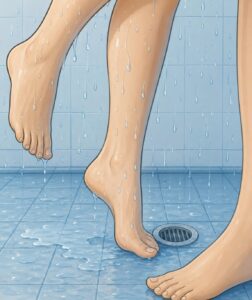
If your partner wants to take a shower with you, it means that…
For many couples, sharing a shower is more than simply saving time or water. It can be a quiet moment…
04/08/2026 19:02
Many people wake up with itchy eyes, crusty eyelashes, or a gritty sensation and assume it is simply due to lack of sleep or seasonal allergies. However, these symptoms can sometimes be linked to an overgrowth of microscopic organisms called Demodex mites. These tiny mites naturally live in the hair follicles and oil glands of most adults and usually cause no harm. But when their numbers increase excessively, they may contribute to irritation and inflammation around the eyelids.


Demodex mites are so small that they cannot be seen without magnification. Nearly every adult carries a small population of these mites, making them a normal part of the skin’s ecosystem. Problems arise only when they multiply beyond normal levels or when the immune system or skin barrier becomes compromised.
One of the most common conditions associated with Demodex overgrowth is blepharitis, or inflammation of the eyelid margins. People with blepharitis often experience itching, burning, redness, watery eyes, or the sensation that something is stuck in the eye. Some notice flaky debris or tiny cylindrical dandruff-like scales around the base of their eyelashes, which eye specialists consider a common clue for Demodex involvement.
Several factors may increase the likelihood of mite overgrowth. These include increasing age, rosacea, oily skin, weakened immunity, poor eyelid hygiene, and certain chronic skin conditions. Wearing eye makeup overnight or failing to thoroughly remove mascara and eyeliner may also contribute by creating an environment where debris accumulates around the lash follicles.
It is important to understand that sleeping with makeup on does not directly cause Demodex mites, but it may worsen eyelid irritation and make existing problems more noticeable. Leaving cosmetics on overnight can clog oil glands, trap bacteria, and increase inflammation, all of which may aggravate discomfort.


Symptoms caused by Demodex overgrowth may include persistent itching along the lash line, burning eyes, crusting around the eyelashes upon waking, increased sensitivity to light, excessive tearing, and recurrent styes or chalazia. Because these symptoms overlap with allergies and dry eye syndrome, many people do not realize that eyelid mites could be contributing to the problem.
Fortunately, diagnosis is relatively straightforward for an eye care professional. During an eye examination, an ophthalmologist or optometrist may inspect the eyelashes using a slit lamp microscope. In some cases, a few eyelashes are examined under higher magnification to confirm the presence of excessive mites.
Treatment focuses on reducing the mite population and improving eyelid hygiene. Warm compresses applied daily can help soften debris and improve oil gland function. Gentle cleansing of the eyelid margins with products specifically designed for eyelid hygiene is often recommended. In some cases, doctors may prescribe medicated eyelid cleansers or treatments containing ingredients shown to reduce Demodex populations. Treatment should always follow the advice of a qualified healthcare professional.
Good daily habits can significantly reduce irritation. Remove all eye makeup before bed, replace old mascara regularly, avoid sharing cosmetics, wash pillowcases frequently, and keep contact lenses clean according to your eye care provider’s instructions. People with chronic blepharitis or rosacea may benefit from ongoing eyelid hygiene even after symptoms improve.


Although online images often show dramatic infestations, severe Demodex overgrowth is relatively uncommon. Most people who carry these mites never develop symptoms. If your eyes remain red, painful, sensitive to light, or your vision becomes blurry, you should seek prompt medical attention because these symptoms may indicate conditions more serious than eyelid mites.
Healthy eyes depend on more than good vision—they also require proper eyelid care. By maintaining good hygiene, removing makeup every night, and seeking professional evaluation for persistent symptoms, you can reduce discomfort and protect the long-term health of your eyes.
For many couples, sharing a shower is more than simply saving time or water. It can be a quiet moment…
Many people believe that once food is placed in the refrigerator, it remains safe to eat for days or even…
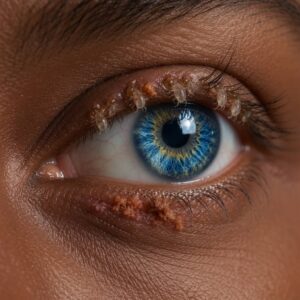
Many people wake up with itchy eyes, crusty eyelashes, or a gritty sensation and assume it is simply due to…
Small, pale bumps appearing on the lips or in the genital area can be surprising and sometimes alarming. While many…

Some actors are remembered for a single unforgettable role. Others become part of Hollywood history itself. Now at 103 years…

Many people have experienced this strange sensation: it suddenly feels like something is stuck in the back of your throat.…