If your partner wants to take a shower with you, it means that…
For many couples, sharing a shower is more than simply saving time or water. It can be a quiet moment…
04/08/2026 19:02
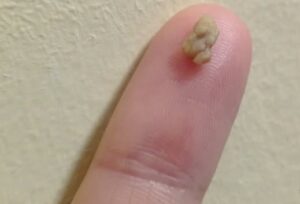
Many people have experienced this strange sensation: it suddenly feels like something is stuck in the back of your throat. You keep swallowing, coughing, or clearing your throat, but the feeling won’t go away. Then, out of nowhere, a tiny white or yellowish lump comes loose—often with an unpleasant smell.
It can be alarming, but in many cases, what you’ve just experienced is a tonsil stone, also known as a tonsillolith.

Tonsil stones are small, hardened deposits that form in the tiny crevices (called crypts) of your tonsils.
They develop when food particles, dead cells, mucus, and bacteria become trapped in these pockets. Over time, the material hardens and may calcify, forming small white or yellow stones.
Although they often look alarming, tonsil stones are usually harmless.
Many people don’t realize they have tonsil stones until one suddenly comes out while coughing or brushing their teeth.
Common symptoms include:
One of the most noticeable features of tonsil stones is their strong odor.
That’s because bacteria trapped inside the stones produce sulfur compounds as they break down debris. These compounds are the same ones responsible for many cases of chronic bad breath.

You may be more likely to develop tonsil stones if you:
In most cases, no.
Small tonsil stones usually don’t require treatment and may fall out on their own.
However, larger stones can cause discomfort, persistent bad breath, difficulty swallowing, or recurrent infections. In rare cases, they may contribute to chronic inflammation of the tonsils.
Doctors recommend:
Good oral hygiene helps reduce the bacteria and debris that contribute to stone formation.
Some small stones may come out naturally when coughing, gargling, or brushing your teeth.
However, doctors advise not using sharp objects or excessive force to dig them out, as this can injure the delicate tissue of the tonsils and increase the risk of bleeding or infection.
If the stones are large, painful, or keep returning, an ear, nose, and throat (ENT) specialist can safely remove them. People with severe, recurring cases may be candidates for procedures that reduce tonsil crypts or, in rare situations, a tonsillectomy.
Seek medical attention if you experience:
These symptoms could indicate an infection or another condition that requires medical evaluation.
If you suddenly feel like something is stuck in your throat and a small white lump eventually comes out, it’s often a tonsil stone. While these stones are usually harmless, maintaining good oral hygiene and staying hydrated can help prevent them from forming.
If the problem becomes frequent, painful, or is accompanied by other concerning symptoms, it’s best to consult a healthcare professional for proper diagnosis and treatment.
For many couples, sharing a shower is more than simply saving time or water. It can be a quiet moment…

Many people believe that once food is placed in the refrigerator, it remains safe to eat for days or even…

Many people wake up with itchy eyes, crusty eyelashes, or a gritty sensation and assume it is simply due to…

Small, pale bumps appearing on the lips or in the genital area can be surprising and sometimes alarming. While many…

Some actors are remembered for a single unforgettable role. Others become part of Hollywood history itself. Now at 103 years…
Many people have experienced this strange sensation: it suddenly feels like something is stuck in the back of your throat.…