Water Chestnuts and Parasites: The Hidden Risk of Eating Them Raw
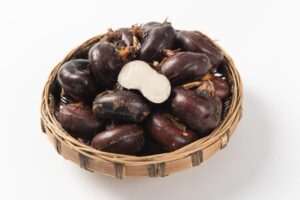
Water chestnuts are a popular ingredient in many Asian cuisines, prized for their crisp texture and naturally sweet flavor. They are commonly added to stir-fries, soups, desserts, and fresh salads. Although they are nutritious and rich in fiber, potassium, and antioxidants, health experts warn that eating raw or improperly cleaned water chestnuts may expose people to harmful parasites and bacteria. The good news is that these risks are largely preventable through proper food handling and cooking.
Unlike many vegetables grown on dry land, water chestnuts develop in shallow ponds, marshes, and flooded fields. These aquatic environments can sometimes become contaminated by animal waste or infected snails that serve as hosts for parasites. If harvested from contaminated water, the outer shell of the water chestnut may carry microscopic organisms that are invisible to the naked eye.
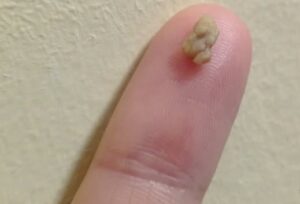
One of the parasites most commonly associated with aquatic plants is the intestinal fluke, particularly species that can infect humans when contaminated raw plants are consumed. While water chestnuts are not the most common source of these infections, consuming any raw aquatic produce from unsafe sources may increase the risk. Symptoms of parasitic infection can vary widely and may include abdominal pain, diarrhea, nausea, fatigue, fever, or digestive discomfort. In severe cases, untreated infections may affect the liver or intestines, depending on the parasite involved.
However, it is important to understand that not every water chestnut contains parasites. Claims that “one water chestnut can carry thousands of parasites” are exaggerated and not supported as a general fact. The actual risk depends on where the crop was grown, sanitation conditions, and whether the food has been properly cleaned and cooked before eating.
Food safety experts recommend purchasing water chestnuts from reputable suppliers who follow proper agricultural and hygiene practices. Before cooking, scrub the outer shell thoroughly under clean running water to remove dirt and surface contaminants. If the water chestnuts are eaten fresh, peeling should be done with clean utensils and hands. Cooking by boiling, steaming, or stir-frying further reduces the risk of parasites and harmful bacteria because most organisms cannot survive high temperatures.
Besides parasites, raw water chestnuts may also harbor bacteria if they have been exposed to contaminated water during cultivation or transportation. Washing alone cannot eliminate every possible microorganism, making cooking the safest option whenever the origin of the produce is uncertain.
Despite these precautions, water chestnuts remain a healthy food choice. They are naturally low in calories, fat-free, and provide fiber that supports digestive health. They also contain vitamin B6, copper, potassium, and antioxidants that help protect cells from oxidative stress. Their crunchy texture makes them an excellent substitute for processed snacks in a balanced diet.
People with weakened immune systems, pregnant women, older adults, and young children should be especially careful when consuming raw aquatic vegetables. Choosing cooked preparations provides an additional layer of protection against foodborne illness.
Food safety is not about avoiding nutritious foods—it is about preparing them correctly. Just as meat, seafood, and leafy vegetables require proper handling, aquatic vegetables deserve the same attention. Simple habits such as washing produce thoroughly, avoiding contaminated water sources, maintaining good kitchen hygiene, and cooking foods adequately can significantly reduce the risk of infection.
Water chestnuts have been enjoyed safely for generations across many cultures. Rather than fearing this nutritious vegetable, consumers should focus on buying from trusted sources and following safe preparation methods. With proper handling, water chestnuts can remain a delicious and healthy addition to soups, stir-fries, salads, and many traditional dishes without unnecessary concern.