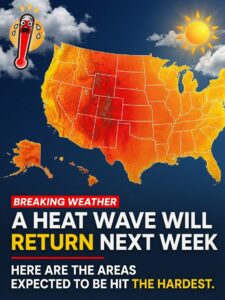
Extreme Summer Heat Waves: Essential Survival Guide and Regional Impacts
Stay cool, safe, and fully prepared when extreme summer temperatures hit your area.
As summer progresses, weather patterns frequently bring intense spikes in temperature across major regions. Scorching conditions can turn simple daily tasks into uncomfortable challenges and put real stress on public infrastructure, energy grids, and personal well-being. Knowing what to expect when temperatures soar—and having a practical action plan in place—is essential for staying cool, healthy, and resilient throughout the hottest months of the year.
This comprehensive guide covers everything you need to know about understanding high-temperature weather shifts, recognizing affected regions, protecting your home and family, and keeping energy costs manageable when the mercury rises.

Understanding Extreme Heat Events and Weather Patterns
A heat dome or prolonged high-temperature event occurs when a massive ridge of high atmospheric pressure sits stationary over a region. This trap of atmospheric pressure compresses hot air down toward the ground, preventing cloud formation and keeping cooler weather systems from moving through.
When these weather systems lock into place, several predictable environmental factors occur:
- Stagnant Air Circulation: Winds slow down dramatically, leaving hot air trapped over urban and rural communities alike.
- Elevated Nighttime Lows: Temperatures fail to cool down adequately after sunset, giving homes and bodies little relief overnight.
- Increased Humidity: Moisture trapped near the ground raises the real-feel temperature index, making outdoor conditions feel much warmer than the actual thermometer reading.
Understanding these atmospheric conditions helps explain why extreme summer weather can feel so overwhelming and why simple precautions make such a dramatic difference.
Key Regions Most Affected by Rising Temperatures
While extreme summer conditions can touch almost anywhere, certain areas face distinct challenges when high-temperature domes build up across the nation.
The Southwest and Desert Valleys
Desert regions regularly experience extreme highs. During peak mid-summer surges, midday sun and dry winds can quickly push air temperatures well above average levels, making shade and constant hydration vital for daily survival.

The Midwest and Central Plains
In agricultural regions, high soil moisture and crop transpiration combine with warm air to create extreme humidity. This combination pushes heat index values up, creating dense, heavy air conditions throughout the afternoon.
Urban Centers and Metro Areas
Cities suffer from the “urban heat island” effect. Concrete buildings, asphalt roadways, and dark roofs absorb vast amounts of solar radiation during the day and re-radiate that heat throughout the night. As a result, city dwellers often face elevated warmth long after the sun goes down.
Essential Health and Hydration Strategies
Staying cool during prolonged periods of summer heat requires proactive physical care. Small daily habits can prevent heat fatigue and keep your energy levels steady.
Prioritize Hydration Early and Often
- Drink Water Continuously: Do not wait until you feel thirsty to reach for a water glass. Thirst is often an early sign that your body is already running low on fluids.
- Replenish Electrolytes: When sweating heavily, pure water alone isn’t always enough. Incorporate fluids containing balanced minerals like sodium, potassium, and magnesium to maintain stamina.
- Avoid Excessive Dehydrating Drinks: Limit heavy caffeine and sugary beverages during peak heat hours, as they can accelerate fluid loss.
Dress and Move Smartly
- Choose Breathable Fabrics: Wear loose-fitting, light-colored clothing made from natural fibers like linen or lightweight cotton. Dark colors absorb light and trap heat against your body.
- Reschedule Outdoor Activities: Shift heavy yard work, exercising, or outdoor chores to early morning hours or late evening when the sun is low.
- Seek Shade Constantly: When outdoors, utilize umbrellas, wide-brimmed hats, and tree-canopied paths to reduce direct sun exposure.
Protecting Your Home and Keeping Energy Bills Low
Keeping your living space comfortable doesn’t have to result in sky-high electricity bills. Simple household tweaks can significantly reduce indoor temperatures and relieve pressure on your air conditioning unit.
Block Out Solar Heat Gain
- Close Blinds and Curtains: Keep window shades pulled shut on the sunny sides of your house during daytime hours to reflect sunlight before it warms your rooms.
- Use Reflective Window Covers: Thermal curtains or reflective window films provide an extra layer of defense against direct solar radiation.
Optimize Indoor Air Circulation
- Set Ceiling Fans Correctly: Ensure your ceiling fans run counterclockwise in the summer to push a cool breeze downward.
- Utilize Portable Fans Wisely: Place fans near open windows during cooler late-night hours to draw fresh night air through your home.
Reduce Internal Heat Sources
- Cook Outdoors or Use Small Appliances: Avoid using the main oven or stove, which can raise kitchen temperatures by several degrees. Instead, opt for microwave meals, slow cookers, or outdoor grilling.
- Unplug Unused Electronics: Large appliances and electronics generate passive ambient warmth even when turned off. Unplug non-essential gadgets to keep rooms cooler.
Community Safety and Caring for Vulnerable Neighbors
Surviving intense summer weather is a community effort. Taking time to check on neighbors, loved ones, and outdoor workers ensures everyone stays safe and supported.
- Check on Seniors and Neighbors: A quick phone call or visit can make a huge difference for elderly neighbors who may not have reliable home cooling systems.
- Provide Pet Care: Ensure pets have plenty of fresh, cold water and shade. Never walk dogs on hot pavement during peak sun hours, as hot asphalt can harm delicate paws.
- Support Outdoor Workers: Encourage frequent shade breaks, cool water access, and lightweight safety gear for anyone working outside in construction, gardening, or delivery services.
Final Word
Extremely hot weather is an inevitable part of summer, but with thoughtful preparation, smart hydration, and proper home care, you can navigate high-temperature weeks comfortably and safely. Keep your cooling plans ready, check in on those around you, and enjoy the rest of the season with confidence!