
Water Chestnuts and Parasites: The Hidden Risk of Eating Them Raw
Water chestnuts are a popular ingredient in many Asian cuisines, prized for their crisp texture and naturally sweet flavor. They…
04/08/2026 17:13
Discover what causes small white spots on skin and how to care for them easily.
Have you ever looked down at your arms or legs after spending a sunny day outdoors and noticed tiny white spots speckled across your skin? If so, you are definitely not alone. Millions of people around the world notice these harmless little pale marks appearing on their skin as they get older or after spending time in the sun.
While sudden skin changes can sometimes make you wonder what is going on, these tiny light spots are usually completely benign and extremely common. In this comprehensive guide, we will break down everything you need to know about small white spots on arms and legs, what causes them, how to keep your skin healthy, and how to treat them safely at home or with expert advice.
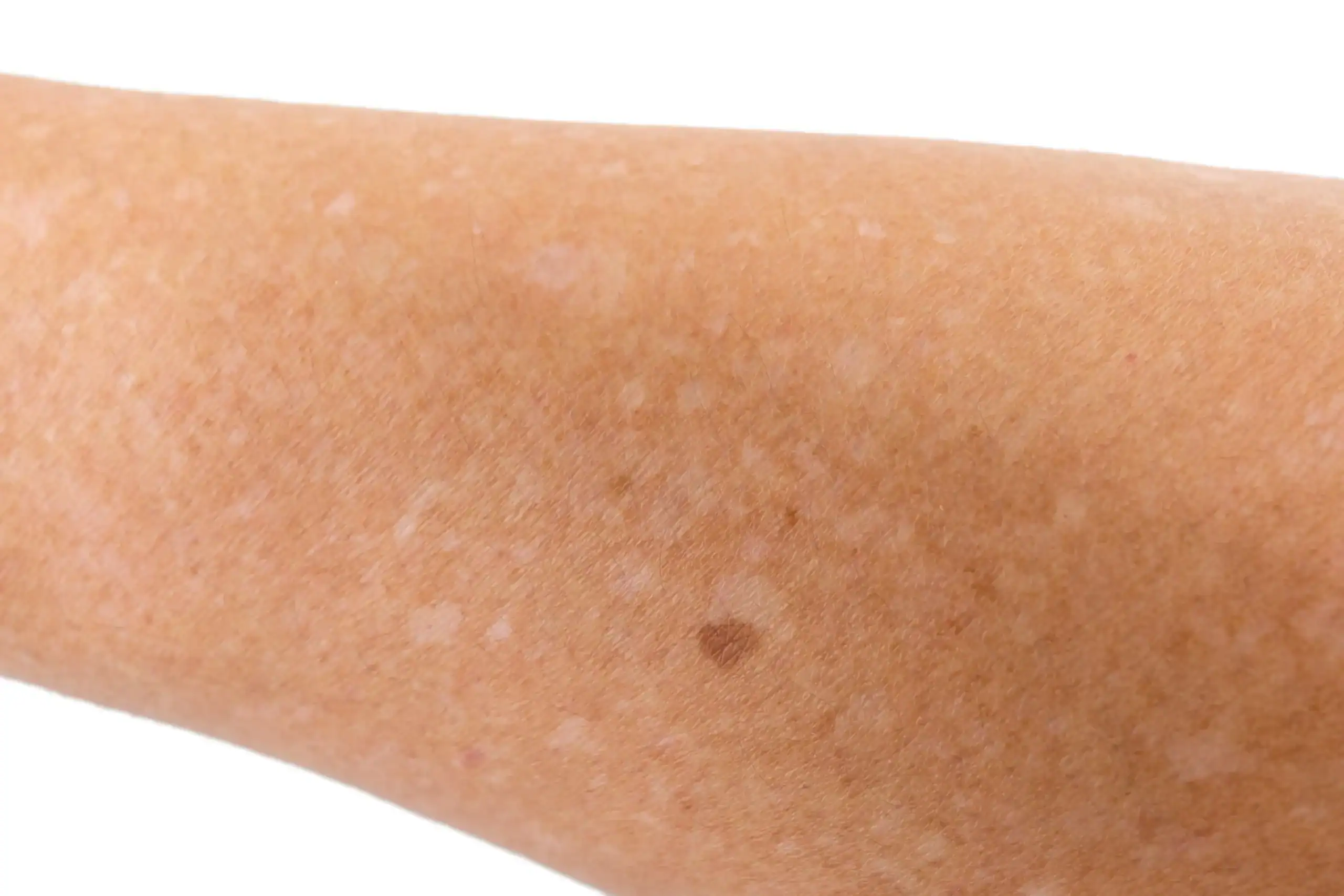
The tiny pale dots commonly found on sun-exposed areas like the forearms, shins, and shoulders are most frequently known in the medical world as Idiopathic Guttate Hypomelanosis (IGH).
While that name sounds long and complex, the breakdown is simple:
Essentially, these spots occur when your skin cells produce less pigment in certain microscopic areas. They typically measure between 1 to 3 millimeters across—about the size of a tiny seed—and feel completely smooth to the touch, matching the texture of the surrounding healthy skin.
Understanding why these specks appear is the first step in managing your skin care routine. Here are the primary factors that contribute to their appearance:
The most common factor behind small white spots on arms and legs is long-term exposure to sunlight. Over time, natural sunlight causes the skin’s pigment-producing cells (melanocytes) to work overtime. In some areas, these cells gradually slow down or stop producing melanin altogether, leaving behind tiny, lighter patches where the rest of the skin tans.
As we grow older, our skin undergoes many subtle changes. Just as our hair naturally turns grey or white due to a reduction in pigment, our skin cells can also lose pigment in small, scattered spots. This is a normal part of maturity and often shows up around middle age.
Another common cause is a superficial skin condition called tinea versicolor. This occurs when natural yeast that resides on human skin grows a bit too quickly, often in warm or humid climates. It creates small patches of altered skin color that can appear lighter than the surrounding area. Fortunately, this condition is easily managed with mild over-the-counter skin cleansers.

Sometimes, small white spots develop after an itchy insect bite, a minor scratch, or a skin irritation heals. As the skin repairs itself, the renewed area might temporarily produce less pigment, leaving a light spot behind.
While small white spots on arms and legs are completely safe and harmless, taking great care of your skin helps maintain a vibrant, smooth appearance. Here are practical daily steps you can take:
If you prefer to reduce the appearance of these tiny spots, several approachable options exist:
If you desire more visible blending, consulting a dermatologist offers access to specialized options, such as mild micro-treatments or tailored topical creams that support pigment balance.
It is always a wise habit to keep an eye on your skin’s general health. While typical small white spots are flat, smooth, and completely harmless, you should consider getting a routine evaluation if you notice:
A quick check-in with a skincare specialist can provide simple reassurance and help you build a personalized care routine suited to your unique skin type.
Small white spots on arms and legs are a natural badge of a life spent enjoying the outdoors and growing older gracefully. They are extremely common, completely harmless, and easily managed with simple daily habits like sun protection, regular moisturizing, and gentle care. Embrace your skin with confidence and keep it glowing with healthy daily routines!
Water chestnuts are a popular ingredient in many Asian cuisines, prized for their crisp texture and naturally sweet flavor. They…

Explore the science of nighttime immobility and how to overcome it. Imagine waking up in the middle of the night,…
Discover what tiny skin bumps mean and how to care for them safely. Have you ever noticed tiny, painless yellowish-white…

Stay cool, safe, and fully prepared when extreme summer temperatures hit your area. As summer progresses, weather patterns frequently bring…

Sweet potatoes have long been recognized as one of nature’s most nutritious root vegetables. Rich in fiber, vitamins, minerals, and…

Discover what causes small white spots on skin and how to care for them easily. Have you ever looked down…