
Tiny Bathroom Flies? Here’s What They Could Be and How to Get Rid of Them
Small, fuzzy insects that suddenly appear in bathrooms often cause concern. Many people assume they are dangerous or a sign…
03/08/2026 23:20
Kidney disease is often called a “silent condition” because symptoms may not become noticeable until significant damage has already occurred. Every year, millions of people worldwide are diagnosed with chronic kidney disease (CKD), and many are unaware they have it until routine blood tests or a medical emergency reveal the problem. While dramatic stories on social media often claim that a single overlooked symptom inevitably leads to kidney failure, the reality is more complex. However, doctors agree that recognizing early warning signs and seeking prompt medical care can make a significant difference in preserving kidney function.


The kidneys perform several vital functions every minute of the day. They filter waste products from the bloodstream, regulate fluid balance, help control blood pressure, produce hormones involved in red blood cell production, and maintain healthy levels of minerals such as potassium and sodium. When the kidneys gradually lose their ability to perform these tasks, waste products and excess fluids begin to accumulate in the body.
One of the biggest challenges is that chronic kidney disease often develops without causing pain. In its earliest stages, many people feel completely normal. As kidney function declines, symptoms may slowly appear, including persistent fatigue, swelling in the feet or ankles, frequent nighttime urination, reduced appetite, nausea, muscle cramps, itchy skin, or difficulty concentrating. None of these symptoms alone confirms kidney disease, but they should prompt a conversation with a healthcare provider if they persist.
High blood pressure and diabetes remain the two leading causes of chronic kidney disease worldwide. Poorly controlled blood sugar or hypertension can gradually damage the tiny filtering units inside the kidneys over many years. Other risk factors include obesity, smoking, cardiovascular disease, a family history of kidney disease, autoimmune disorders, recurrent kidney infections, and long-term use of certain medications such as nonsteroidal anti-inflammatory drugs (NSAIDs).


Doctors emphasize that regular health screenings are one of the most effective ways to detect kidney disease early. Simple blood tests measuring creatinine and estimating the glomerular filtration rate (eGFR), together with urine tests that check for protein, can identify kidney damage long before symptoms become severe. Early diagnosis allows healthcare professionals to recommend treatments and lifestyle changes that may slow disease progression.
People living with diabetes or hypertension should pay particular attention to kidney health. Keeping blood pressure, blood sugar, and cholesterol under control significantly reduces the risk of long-term kidney damage. Staying physically active, maintaining a healthy weight, limiting excess salt intake, avoiding smoking, and drinking adequate fluids also support overall kidney health.
It is equally important to use medications responsibly. Overuse of certain pain relievers, herbal supplements of uncertain quality, or unregulated products may place unnecessary stress on the kidneys. Individuals with existing kidney disease should always consult their healthcare provider before taking new medications or supplements.
In advanced stages, when the kidneys can no longer adequately remove waste from the body, dialysis or kidney transplantation may become necessary. Dialysis helps replace some of the kidneys’ filtering function but does not cure kidney disease. This is why prevention and early intervention remain so important.


Although stories of regret can remind us not to ignore persistent symptoms, no single symptom guarantees that kidney failure is developing. Swelling, fatigue, changes in urination, or abnormal laboratory results can have many different causes. The key message from healthcare professionals is not to panic, but to seek timely evaluation whenever unusual symptoms persist or when you have known risk factors.
Protecting your kidneys begins with awareness. Routine medical checkups, healthy lifestyle choices, proper management of chronic conditions, and prompt attention to concerning symptoms can help preserve kidney function for many years. Early action offers the best chance of slowing or preventing serious kidney disease and maintaining a better quality of life.
Small, fuzzy insects that suddenly appear in bathrooms often cause concern. Many people assume they are dangerous or a sign…
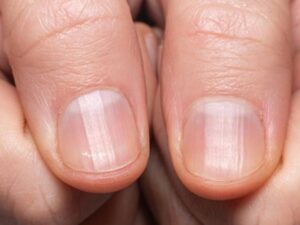
Many social media posts claim that lines appearing on your nails after the age of 40 are a definite sign…

Kidney disease is often called a “silent condition” because symptoms may not become noticeable until significant damage has already occurred.…

The entire point of the invitation? They wanted me broken! For forty minutes, I stood in the shower, letting the…

Many online posts claim that your feet can predict a heart attack exactly one month before it happens. While that…

Many social media posts claim that visible veins on the back of your hands are an early sign of a…