
Tiny Bathroom Flies? Here’s What They Could Be and How to Get Rid of Them
Small, fuzzy insects that suddenly appear in bathrooms often cause concern. Many people assume they are dangerous or a sign…
03/08/2026 23:20
Many online posts claim that your feet can predict a heart attack exactly one month before it happens. While that statement is misleading, doctors agree that the feet can sometimes provide important clues about your cardiovascular health. The heart and blood vessels work together to deliver oxygen-rich blood throughout the body, including the feet. When circulation becomes impaired, certain symptoms may first appear in the lower extremities. These signs do not necessarily mean a heart attack is imminent, but they should never be ignored, especially if they develop suddenly or are accompanied by other symptoms.


One of the most common foot-related symptoms associated with heart and circulation problems is persistent swelling, also known as edema. Swelling may occur when the heart cannot pump blood efficiently, allowing fluid to accumulate in the legs, ankles, and feet. While swelling can also result from standing for long periods, certain medications, or kidney and liver disorders, persistent or worsening edema deserves medical evaluation.
Another possible warning sign is cold feet that remain cold even in a warm environment. Poor blood circulation caused by narrowed arteries may reduce the amount of warm blood reaching the feet. Some people also notice numbness or tingling, which may occur when tissues receive less oxygen than they need. However, diabetes, nerve disorders, and other conditions can produce similar symptoms, making proper diagnosis essential.
Changes in skin color may also provide clues. Feet that appear unusually pale, bluish, or purple may indicate reduced blood flow. Likewise, wounds or cuts that heal very slowly can sometimes suggest poor circulation. Healthy blood flow is necessary for tissue repair, so delayed healing may warrant a medical examination.


Pain while walking that improves with rest is another symptom doctors take seriously. This condition, known as intermittent claudication, may result from peripheral artery disease (PAD), in which narrowed arteries reduce blood flow to the legs. PAD shares many of the same risk factors as heart disease, including smoking, high blood pressure, diabetes, and high cholesterol. People diagnosed with PAD often require evaluation of their overall cardiovascular health.
Another change worth noting is a sudden decrease in hair growth on the feet or lower legs. Although aging naturally affects hair growth, reduced circulation may contribute to hair loss in the affected areas. Shiny, thin skin or brittle toenails can also accompany chronic circulation problems.
Despite these possible signs, it is important to remember that no change in the feet can accurately predict the exact timing of a heart attack. Many viral social media posts exaggerate or oversimplify medical information. Heart attacks often occur without obvious warning, while others are preceded by symptoms such as chest discomfort, shortness of breath, unusual fatigue, nausea, or pain spreading to the jaw, shoulder, arm, or back.
The best way to reduce the risk of heart disease is through prevention. Maintaining healthy blood pressure, controlling cholesterol and blood sugar, exercising regularly, avoiding tobacco, eating a balanced diet rich in fruits, vegetables, whole grains, and healthy fats, and maintaining a healthy weight all contribute to better cardiovascular health. Regular medical checkups can also identify risk factors before serious complications develop.


If you notice persistent swelling, severe foot pain, skin discoloration, non-healing wounds, or sudden changes in sensation, it is important to consult a healthcare professional. These symptoms may indicate circulation problems that require evaluation. Likewise, if you experience chest pain, difficulty breathing, fainting, or pain spreading to the arm or jaw, seek emergency medical care immediately.
Your feet can sometimes offer valuable insights into your overall circulation, but they should never be used to diagnose heart disease on their own. Paying attention to changes, understanding your personal risk factors, and seeking timely medical advice are the most effective ways to protect your heart and maintain long-term health.
Small, fuzzy insects that suddenly appear in bathrooms often cause concern. Many people assume they are dangerous or a sign…
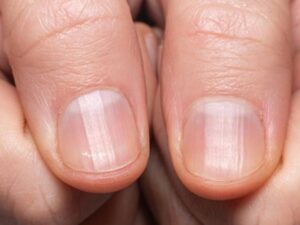
Many social media posts claim that lines appearing on your nails after the age of 40 are a definite sign…

Kidney disease is often called a “silent condition” because symptoms may not become noticeable until significant damage has already occurred.…

The entire point of the invitation? They wanted me broken! For forty minutes, I stood in the shower, letting the…
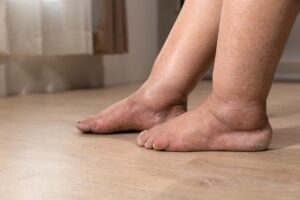
Many online posts claim that your feet can predict a heart attack exactly one month before it happens. While that…
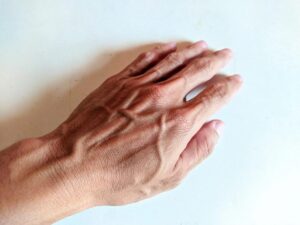
Many social media posts claim that visible veins on the back of your hands are an early sign of a…