
Should You Flush After Urinating? The Truth Behind a Common Bathroom Debate
The Origin of the “If It’s Yellow, Let It Mellow” Rule During periods of drought and water shortages, many environmental…
05/06/2026 18:46
Most people associate vegetables with good health, disease prevention, and longevity. Rich in vitamins, minerals, fiber, and antioxidants, vegetables are among the most nutritious foods available. However, under specific circumstances, some vegetables can develop harmful compounds or become contaminated with toxins that pose health risks.
Improper storage, inadequate cooking, bacterial contamination, and natural plant toxins are among the factors that can turn otherwise healthy vegetables into potential hazards. While severe outcomes are rare, food safety experts emphasize the importance of handling vegetables correctly.


Potatoes are a staple food around the world, but they can become dangerous when they turn green or develop sprouts. This change indicates increased levels of solanine, a natural toxin produced by the plant.
Consuming large amounts of solanine may cause symptoms such as:
To reduce risk, avoid eating potatoes that are green, heavily sprouted, or have a bitter taste.
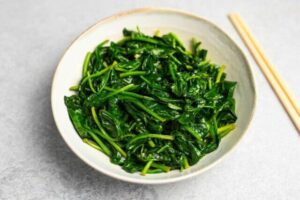
Leafy vegetables such as spinach, water spinach, lettuce, and kale are highly nutritious. However, when cooked vegetables are left at room temperature for extended periods and repeatedly reheated, nitrate compounds may convert into substances that are potentially harmful.
Food safety specialists recommend refrigerating cooked vegetables promptly and consuming leftovers within a safe timeframe.
Although technically a legume, kidney beans deserve mention because they contain phytohaemagglutinin, a natural toxin that can cause severe digestive distress if the beans are not cooked properly.
Raw or undercooked kidney beans may trigger:
Proper soaking and thorough cooking significantly reduce this risk.


Fresh bamboo shoots contain naturally occurring compounds that can release cyanide-related substances if consumed raw. Fortunately, proper boiling and preparation remove most of these compounds and make bamboo shoots safe to eat.
Similarly, some wild vegetables and foraged plants may contain toxins if they are misidentified or improperly prepared. Experts recommend consuming only vegetables from trusted sources and following established preparation methods.
Many vegetable-related health incidents are linked not to the vegetables themselves but to improper handling practices. Common mistakes include:
Practicing good kitchen hygiene and food storage habits can dramatically reduce these risks.
Fortunately, preventing food-related illness is usually straightforward. Experts recommend:
These simple habits help preserve nutritional value while minimizing potential health risks.


The Origin of the “If It’s Yellow, Let It Mellow” Rule During periods of drought and water shortages, many environmental…

Why Skin Changes Matter The skin is the body’s largest organ and often reflects what is happening internally. While many…
When Healthy Foods Become a Health Risk Most people associate vegetables with good health, disease prevention, and longevity. Rich in…
Why Avocados Are Considered a Superfood Avocados are unique among fruits because they contain a high amount of healthy fats…

Why Do Leg Cramps Happen at Night? Nighttime leg cramps are sudden, involuntary muscle contractions that typically affect the calf…

A brain aneurysm is a weakened area in the wall of a blood vessel in the brain that balloons outward…