
The Truth About Cold Meals
Is keeping your dinner until tomorrow a major hazard? You might have seen terrifying stories circulating on social media warning…
31/05/2026 13:18
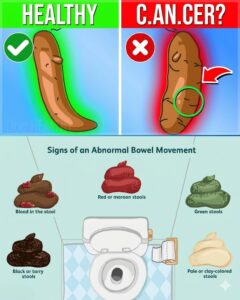
Most people rarely pay attention to their stool unless something looks unusually different. However, doctors say that changes in stool color, shape, or texture can sometimes provide important clues about what is happening inside the body. While occasional changes are often harmless and linked to food or medication, persistent abnormalities may signal digestive or even systemic health problems.

A healthy stool is usually brown in color because of bile, a digestive fluid produced by the liver. When digestion works normally, bile breaks down and gives stool its characteristic brown appearance. Stool that is soft, formed, and easy to pass is generally considered a sign of a healthy digestive system.
One color that often causes concern is black. If stool becomes black, sticky, or tar-like, doctors warn that it may indicate bleeding somewhere in the upper digestive tract, such as the stomach or small intestine. Certain medications, iron supplements, or foods can also darken stool, but persistent black stool should never be ignored, especially if it appears alongside weakness, dizziness, or stomach pain.
Red or maroon-colored stool can be equally alarming. In some cases, it may be caused by foods such as beets or red-colored drinks. However, it can also indicate bleeding in the lower digestive tract, including the colon or rectum. Hemorrhoids are one common cause, but doctors recommend medical evaluation if blood repeatedly appears in the stool.

Green stool is usually less serious and often occurs when food passes through the intestines too quickly. Because bile has not had enough time to break down completely, stool may appear green instead of brown. Eating large amounts of leafy vegetables, taking certain antibiotics, or recovering from a stomach infection can also temporarily cause this color change.
Pale, gray, or clay-colored stool may sometimes point to problems involving bile production or bile flow. Since bile is responsible for giving stool its normal color, a blockage affecting the liver, gallbladder, or pancreas can result in unusually light-colored stool. Doctors consider this one of the more important warning signs, especially if it occurs together with yellowing of the skin, dark urine, nausea, or abdominal discomfort.
Experts also note that stool shape can occasionally provide useful information. Stool that is consistently very thin, unusually hard, or difficult to pass may be associated with constipation, dehydration, dietary issues, or digestive disorders. However, a single unusual bowel movement is usually not enough to indicate a serious problem.

Medical professionals emphasize that the body often gives subtle warning signs before more noticeable symptoms appear. Persistent changes in stool color, the presence of blood, ongoing diarrhea, unexplained weight loss, severe abdominal pain, or recurring digestive discomfort should be evaluated by a healthcare provider rather than ignored.
Although many people feel uncomfortable discussing bowel habits, doctors say paying attention to these changes can sometimes help identify health problems earlier. Something as simple as stool color may occasionally reveal information about the condition of the digestive system, liver, gallbladder, or other important organs long before more serious symptoms develop.
Is keeping your dinner until tomorrow a major hazard? You might have seen terrifying stories circulating on social media warning…

Psychology experts often say that the things we are naturally drawn to can reflect hidden parts of our personality. Colors,…
Most people rarely pay attention to their stool unless something looks unusually different. However, doctors say that changes in stool…

Have you ever explored an old cabinet at your grandparents’ house and stumbled upon small, metallic objects that look like…

Have you ever woken up in the middle of the night, fully conscious, only to realize you cannot move a…
Introduction to Palmistry and the Rare Letter M Have you ever looked closely at the lines on your hand and…