
The Mystery of the Silver Thimbles Found in the Cupboard
Have you ever explored an old cabinet at your grandparents’ house and stumbled upon small, metallic objects that look like…
31/05/2026 12:26
Have you ever woken up in the middle of the night, fully conscious, only to realize you cannot move a single muscle? Your chest feels heavy, your voice is trapped in your throat, and an overwhelming sense of dread fills the room. For centuries, cultures around the world blamed this terrifying ordeal on night demons, shadow figures, or supernatural visitations.
Fortunately, modern science offers a much more logical—and far less paranormal—explanation. This phenomenon is a well-documented sleep condition known as sleep paralysis.
Below, we break down exactly what happens to your body during these episodes, why your brain plays tricks on you, and how you can prevent it from happening again.
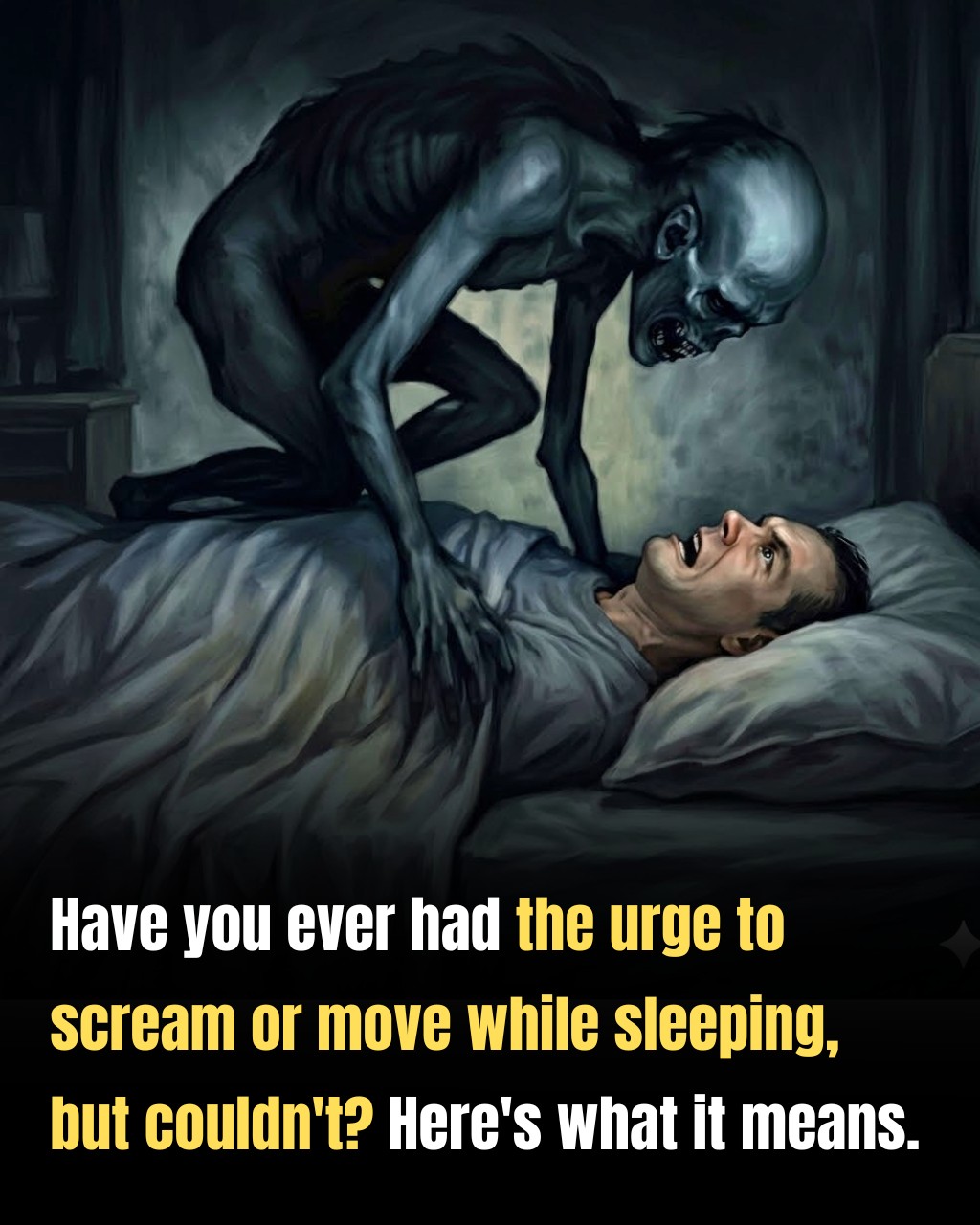
At its core, sleep paralysis is a temporary inability to move or speak that occurs when you are shifting between stages of wakefulness and sleep. It is a transition glitch in the neurological system.
When you experience an episode:
You are cognitively awake and aware of your surroundings.
Your voluntary muscles remain completely immobilized.
The episode can last anywhere from a few seconds to several intense minutes.
It ends spontaneously or when someone touches or speaks to you.
While it feels incredibly dangerous in the moment, it is physically harmless and does not cause any permanent damage to your body.
To understand why this happens, we have to look at how your brain manages your sleep cycles, specifically during Rapid Eye Movement (REM) sleep.

During REM sleep, your brain is highly active, and this is when your most vivid dreaming occurs. To prevent you from physically acting out these dreams and accidentally injuring yourself or your partner, your brain signals your motor cortex to shut down. This state of temporary muscle relaxation is called REM atonia.
Sleep paralysis happens when your mind wakes up before the REM atonia wears off. Essentially, your conscious brain regains awareness, but your body is still stuck in “dream defense mode.” You are trapped in the overlapping boundary between the dreaming world and waking reality.
One of the most terrifying aspects of this condition is the vivid hallucinations that often accompany it. Many people report seeing a dark entity lurking in the corner of the room or sitting directly on their chest.
There are two scientific reasons for these waking nightmares:
Hyper-Vigilance Mode: When your brain realizes your body cannot move, it immediately senses danger. It triggers a fight-or-flight response. Because it cannot find an obvious physical threat in the room, it projects your internal fear outward, creating a visual hallucination to justify the panic.
Amended REM Dreaming: Since your brain is still technically transitioning out of REM sleep, elements of your dreams bleed directly into your real-world environment.
While it can happen to anyone, certain lifestyle factors significantly increase the likelihood of experiencing an episode.
| Common Trigger | How It Affects Your Sleep |
| Severe Sleep Deprivation | Disrupts the natural progression of sleep stages, making REM transitions erratic. |
| Irregular Schedules | Shift work or frequent time-zone changes confuse your internal circadian rhythm. |
| Sleeping on Your Back | Studies show that sleeping in a supine position makes you more prone to airway obstructions and sudden awakenings during REM. |
| High Stress & Anxiety | Elevated cortisol levels keep your brain on high alert, interfering with deep rest. |
If you want to keep these terrifying nighttime disruptions at bay, making a few simple adjustments to your daily routine can make a massive difference.
Fix Your Sleep Schedule: Go to bed and wake up at the exact same time every day, even on weekends, to stabilize your sleep cycles.
Adjust Your Position: If you are a back sleeper, try training yourself to sleep on your side or stomach using body pillows.
Optimize Your Environment: Keep your bedroom dark, quiet, and cool (around 65°F or 18°C) to promote uninterrupted rest.
Limit Stimulants: Avoid heavy meals, caffeine, and alcohol for at least four hours before heading to bed, as they severely fragment your sleep architecture.
Wind Down Mentally: Dedicate 30 minutes before bed to screen-free relaxation, such as reading a book or practicing deep breathing exercises.
If you find yourself waking up frozen, panicking will only prolong the experience and intensify the hallucinations. Instead, try these grounding techniques to regain control:
Focus on Micro-Movements: Do not try to force your arms or legs to move. Instead, focus all your energy on wiggling a single toe, blinking rapidly, or moving your tongue. This small neurological signal can shock your brain into realizing you are awake.
Control your breathing. Remind yourself mentally: “I am safe, this is temporary, and my body will wake up in a moment.” Slow, deliberate breaths will lower your heart rate and ease the panic, causing the episode to fade away much faster.
Have you ever explored an old cabinet at your grandparents’ house and stumbled upon small, metallic objects that look like…

Have you ever woken up in the middle of the night, fully conscious, only to realize you cannot move a…

Introduction to Palmistry and the Rare Letter M Have you ever looked closely at the lines on your hand and…

At first glance, this looks like a simple image of five women walking down the street. But according to viral…

I married Evie for shelter, security, and the future I thought her house could give me. I told myself it…

When people think of eggs, they usually see them as one of the safest and most common foods eaten every…