
How Often Should You Shower? Experts Say Most People May Be Doing It Wrong
For many people, showering is part of a daily routine that happens almost automatically. Some shower: once a day, twice…
28/05/2026 01:57
Preparing a seafood feast often brings up a common, somewhat unappealing question: What is that dark, thread-like string running along the back of a shrimp? Frequently referred to as the “black vein,” this feature is one of the most misunderstood parts of seafood anatomy.
While it is commonly called a vein, its true biological function has nothing to do with blood circulation. If you have ever wondered what this string actually is, whether it poses any health risks, and how it impacts your culinary experience, you are in the right place.
Below is a complete, deep-dive guide into the anatomy of shrimp, the science behind the “vein,” and the best methods for preparing your seafood perfectly every time.
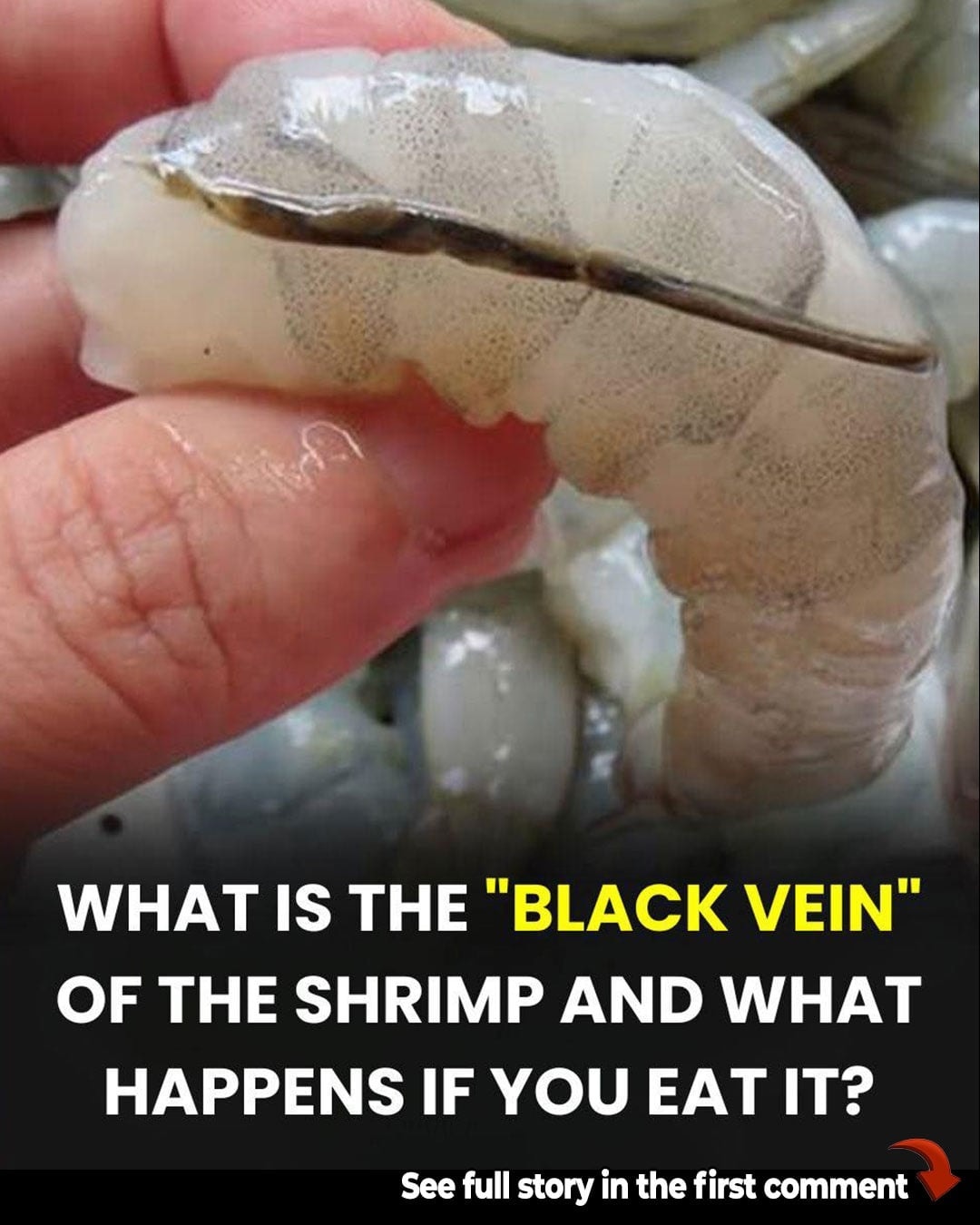
Despite its popular nickname, the dark line on the back of a shrimp is not a blood vessel. It is actually the alimentary canal, or the digestive tract (the insect-like or crustacean equivalent of an intestine).
The Content: The darkness or thickness of this line depends entirely on what the creature ate before it was harvested. It typically contains digested algae, plankton, small marine organisms, and sand or mud grit.
The Appearance: If the line is dark and pronounced, it means the digestive tract was full at the time of harvest. If it is clear or barely visible, the digestive tract was empty.
The Bottom Line: On the underside (the belly) of the shrimp, there is another thin string. That lower string is the actual central nervous system, which is completely translucent and almost never removed.

The short answer is: Nothing terrible will happen. It is completely understandable to feel a bit uneasy about it, but consuming the digestive tract of a cooked shrimp is not inherently dangerous. Here is a breakdown of why:
The vast majority of microorganisms or bacteria naturally present in marine life are completely neutralized during the cooking process. Whether you boil, grill, sauté, or bake your seafood, exposing it to high temperatures renders it safe for human consumption.
While it won’t make you sick, leaving a large, prominent tract inside the shrimp can affect the quality of your dish:
Gritty Texture: Because shrimp frequently ingest sand and sediment from the ocean floor, leaving a thick tract intact can introduce an unpleasant, crunchy, or sandy texture to your bite.
Bitter Notes: A heavily loaded digestive tract can sometimes impart a slightly muddy or bitter undertone to the naturally sweet, clean flavor of the seafood meat.
Culinary Verdict: De-veining is primarily a matter of personal aesthetics, texture control, and culinary preference rather than a strict health necessity. High-end restaurants almost always remove it simply to provide a flawless presentation and a smooth texture.
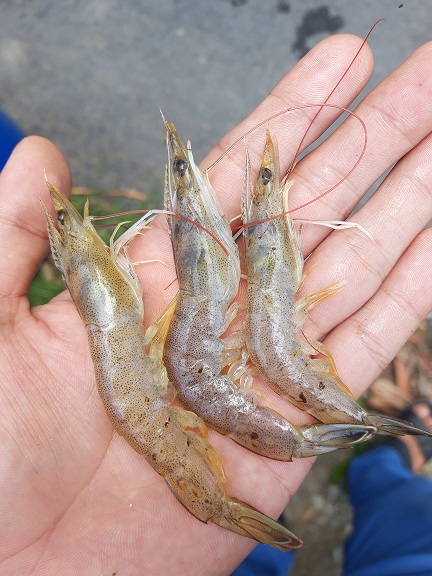
If you prefer a clean look and a smooth texture, removing the tract is a quick and straightforward process. You can do this whether the shell is on or off.
Peel the individual: Remove the shell and legs if your recipe calls for peeled seafood.
Make a shallow cut: Using a sharp paring knife, make a shallow incision (about 1/4 inch deep) down the center of the curved back.
Lift and remove: Use the tip of your knife or your fingers to catch the dark string, then gently pull it out in one piece. Wipe it onto a paper towel.
Rinse: Give the piece a quick rinse under cold running water.
If you are grilling or boiling your seafood with the shell on to preserve moisture and flavor, you can still remove the tract without peeling:
Locate the joint: Look at the segmented shell on the back. Count down to the second or third segment from the head.
Insert the tool: Gently insert a clean toothpick or skewer horizontally right underneath the shell, just below where the dark string runs.
Lift upward: Slowly lift the toothpick upward. The string will catch on the toothpick and pull right through the shell segments.
Pull gently: Grab the exposed loop and carefully pull it all the way out.
For many people, showering is part of a daily routine that happens almost automatically. Some shower: once a day, twice…

Kids ask all sorts of questions, many of which catch adults off guard. It’s not that the questions are difficult,…

My marriage lasted for exactly forty-two minutes. It was that long until Derek Vaughn walk into our reception in what…
Preparing a seafood feast often brings up a common, somewhat unappealing question: What is that dark, thread-like string running along…

The Heartbreaking Discovery of a Purple Puppy Every single day, animal welfare volunteers step up to confront situations that challenge…

The phrase “To force dogs to fight, often to the death, for the enjoyment of others is not only a…