The phrase “To force dogs to fight, often to the death, for the enjoyment of others is not only a federal crime, it is also cruel, sadistic, and can create a haven for other illicit activities involving drugs and firearms” shines a stark light on a persistent shadow industry. While society widely treasures domesticated animals as loyal companions and family members, organized exploitation rings continue to operate behind closed doors. This dark subculture relies on extreme physical duress, intentional social isolation, and systematic neglect to condition animals for forced confrontation.
Understanding the mechanics of these unauthorized operations is essential for modern communities. Far from being isolated incidents of poor animal welfare, these structured networks intersect heavily with organized crime, illegal commerce, and community safety hazards. Unpacking the operational structure, psychological undercurrents, and socio-legal impacts of this hidden world reveals why dismantling these networks remains a high priority for global law enforcement and advocacy groups alike.

Anatomy of an Organized Exploitation Ring
The infrastructure supporting unauthorized animal matches is highly structured and hidden from public view. These operations do not occur spontaneously; they require meticulous planning, specialized equipment, and extensive secrecy to evade detection by local and federal authorities.
Breed Selection and Inhumane Conditioning
Organized rings typically favor specific breeds known for physical endurance, jaw strength, and a high desire to please their handlers. The American Pit Bull Terrier is historically the most common breed utilized in these circles, though various mastiffs and mixed breeds are also selected.
The process of preparing an animal for forced conflict begins in early puppyhood and involves highly abusive conditioning methods:
-
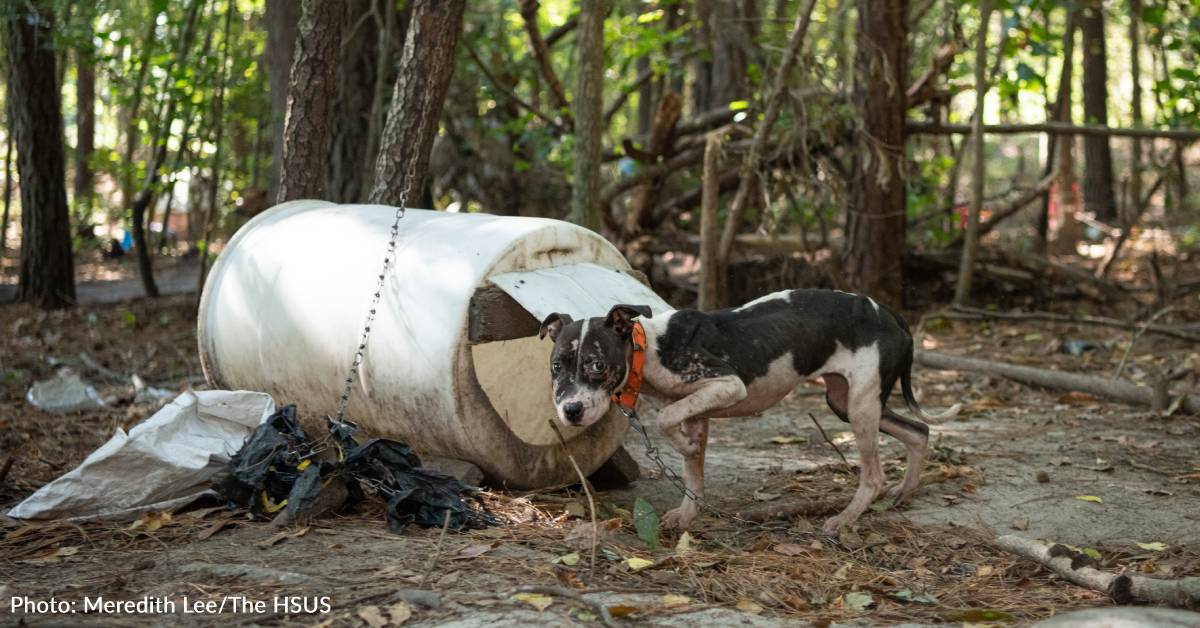
Extreme Isolation: Animals are kept strictly separated from other living beings to prevent socialization. They spend the majority of their lives on short, heavy chains, often anchored to heavy objects like car axles or outdoor barrels.
-
Forced Physical Labor: Handlers utilize specialized treadmills, spring poles, and weighted vests to build unnatural muscle mass. Animals are forced to run or hang for hours until absolute physical collapse.
-
Inhumane Modifications: To minimize vulnerabilities during a match, handlers frequently perform amateur surgical procedures without anesthesia, such as cropping ears and docking tails close to the body.
The Role of Defenseless Bait Animals
One of the most tragic components of this industry is the use of “bait” animals to test and sharpen an animal’s predatory instincts. These vulnerable creatures are used as living targets to train dominant animals without risking injury to the primary asset.
The Economics and Social Dynamic of the Ring
The primary driving force behind this underground industry is financial gain, coupled with a specific psychological need for power and dominance among participants.
High-Stakes Gambling and Illegal Commerce
At organized events, substantial sums of money exchange hands through unmonitored wagering. A single major match can easily net tens of thousands of dollars in illicit gambling profits, making it more lucrative than street-level robberies or localized property crimes. Participants place bets on specific animals, their endurance, and the duration of the match. The financial influx turns these events into highly profitable commercial enterprises for organizers, who charge steep entry fees for spectators to gain access to secret locations.
The Spectator Psychology

The individuals who frequent these underground arenas generally fall into distinct categories. For some, the attraction is purely financial, viewed strictly as a business venture. For others, the appeal stems from a disturbing desire for entertainment derived from physical suffering.
Many handlers view their animals as a direct extension of their own ego. By owning a highly aggressive, dominant animal, the handler seeks to project an image of power, fearlessness, and status within their social circle.
Furthermore, these events are frequently treated as social gatherings where young children are introduced to the culture. Exposure to intense violence at an early age desensitizes youth to suffering, erodes basic empathy, and fosters a profound disregard for legal boundaries, creating a generational cycle of misconduct.
The Intersection with Community Crime
Law enforcement agencies have long recognized that organized animal exploitation does not happen in a vacuum. It serves as a reliable indicator of broader, more dangerous criminal enterprises operating within a neighborhood.
The Influx of Prohibited Weapons and Narcotics
Because these events involve massive amounts of untraceable cash from illegal betting, participants and organizers frequently carry unauthorized firearms for personal protection and asset security. Law enforcement raids on these locations consistently yield caches of high-caliber weapons and altered firearms.
Additionally, the distribution of controlled substances is rampant at these gatherings. Narcotics are not only consumed by the spectators but are also integrated into the conditioning of the animals. Handlers frequently inject animals with anabolic steroids to artificially boost muscle mass and enhance aggression. Narcotics or stimulants are sometimes administered right before a match to mask pain, suppress fear, and artificially prolong the animal’s endurance.
The Link to Human Violence
Ample psychological and criminological research demonstrates a direct correlation between animal abuse and interpersonal violence. Adults who actively participate in or enjoy the severe physical trauma inflicted upon an animal are statistically far more likely to commit acts of violence against humans.
This behavioral pattern often manifests as domestic abuse, child endangerment, and aggravated assault. In residential neighborhoods where unauthorized breeding or training occurs, community members frequently live in fear of escaping animals, volatile neighbors, and the dangerous criminal elements attracted to the area.
The Physical and Psychological Toll on the Animals
The physical suffering endured by animals trapped in this cycle is profound, extending far beyond the confines of the actual match.
Trauma Sustained in the Arena
Matches can last anywhere from fifteen minutes to several hours, concluding only when one animal is completely incapacitated, refuses to continue, or expires. The injuries sustained during these encounters are catastrophic, including:
-
Deep, infected puncture wounds and extensive lacerations
-
Severe blood loss, internal hemorrhaging, and profound systemic shock
-
Crushed skeletal structures, broken limbs, and torn muscle tissue
-
Dehydration, heat exhaustion, and organ failure
The Fate of the Defeated
For an animal in this industry, losing a match is a death sentence. Because professional veterinary care is unavailable due to the illegal nature of the activity, injuries are either left completely untreated or addressed with crude, makeshift medical attempts by the handlers.
If an animal fails to perform or loses a match in a way that embarrasses the handler’s reputation, it is often executed on-site. Common execution methods used by organizers include drowning, hanging, electrocution, or blunt-force trauma. The industry operates under a ruthless philosophy: maximize financial assets and immediately eliminate liabilities.
The Evolving Legal Landscape
Over the past few decades, legislative bodies and law enforcement agencies have drastically upgraded the legal tools used to combat this form of exploitation, recognizing it as a severe threat to public order.
Shift to High-Level Felonies
Historically, animal exploitation was treated as a minor misdemeanor, resulting in small fines that operators simply viewed as a cost of doing business. Today, the legal landscape has shifted dramatically:
-
Felony Classification: The organization, promotion, and execution of animal fights are classified as high-level felonies across federal jurisdictions and in all fifty states. Convictions carry substantial prison sentences, significant asset forfeitures, and permanent bans on animal ownership.
-
Spectator Liability: Modern statutes have closed legal loopholes by making it a serious crime simply to attend an unauthorized match. Being a spectator is recognized as actively financing and encouraging criminal enterprise.
-
Racketeering Integration: Because these operations involve organized networks, cross-state transport, and money laundering, prosecutors frequently utilize anti-racketeering statutes to dismantle entire organizations rather than just arresting individual handlers.
Indicators of Underground Activity in Communities
Safeguarding neighborhoods requires vigilance from residents. Recognizing the physical signs of an active training or breeding setup can provide law enforcement with the vital information needed to intervene.
Identifying the Warnings Signs
-
Altered Physical Appearance: Multiple dogs of similar breeds residing on a single property displaying extensive scarring, fresh puncture wounds, missing patches of fur, or crudely cropped ears and lips.
-
Specialized Training Apparatus: The presence of heavy-duty treadmills modified for animals, hanging breaking sticks used to pry open jaws, or multiple heavy log chains attached to ground anchors or barrels in secluded areas.
-
High-Volume, Isolated Foot Traffic: Unusual patterns of visitors arriving at a specific property during late-night hours, often carrying animal crates or specialized equipment, accompanied by frequent, intense barking or distress noises.
-
Secured, Hidden Enclosures: Properties with high, opaque privacy fences, covered windows, or outdoor pens hidden entirely from public view or street visibility to mask the presence of multiple animals.
Strategic Community Intervention
Eradicating underground exploitation requires a synchronized effort between community members, local humane organizations, and dedicated law enforcement task forces.
Safe Reporting Protocols
If you suspect an operation is functioning within your area, personal safety must remain the top priority. These rings are deeply connected to violent crime, meaning direct confrontation should always be avoided.
-
Document Details Securely: Note specific dates, times, vehicle license plates, and the exact location of suspicious activity without drawing attention to yourself.
-
Contact Specialized Authorities: Avoid standard municipal lines if a large ring is suspected. Instead, contact local law enforcement’s animal cruelty division, the FBI’s crime reporting division, or established national animal welfare tip lines.
-
Utilize Anonymous Portals: Many anti-cruelty organizations provide secure, completely anonymous online reporting forms that protect the informant’s identity while routing information directly to federal investigators.
The Road to Rehabilitation
When law enforcement successfully raids an illegal operation, the journey for the rescued animals is complex. Specialized veterinary teams must immediately step in to address severe physical trauma, manage chronic pain, and stabilize critical health conditions.
Following physical recovery, behavioral specialists conduct extensive evaluations. While some animals have been so severely traumatized that they present an ongoing safety risk, a significant percentage of rescued animals respond remarkably well to patient, structured rehabilitation. With proper care, socialization, and positive reinforcement, many survivors are able to overcome their past conditioning and successfully transition into safe, peaceful domestic environments as cherished companions.