The Ultimate Guide to Lady’s Finger: Nutrition, Wellness Benefits, and Safe Eating Practices
The internet is flooded with sensational headlines claiming that eating certain green vegetables regularly can cause unexpected health shifts. One specific green pod that frequently sparks intense online debate is okra—often referred to as lady’s finger. Clickbait posts often leave readers hanging with a dramatic “See More” button, leaving many to wonder: Is this unique vegetable actually a superfood, or are there hidden risks you should know about?
Let’s cut through the social media noise. This comprehensive guide delivers a deep dive into the science-backed health profile of lady’s finger, its genuine nutritional value, and how to enjoy it safely without falling for online myths.
Understanding the Green Pod: What is Okra?

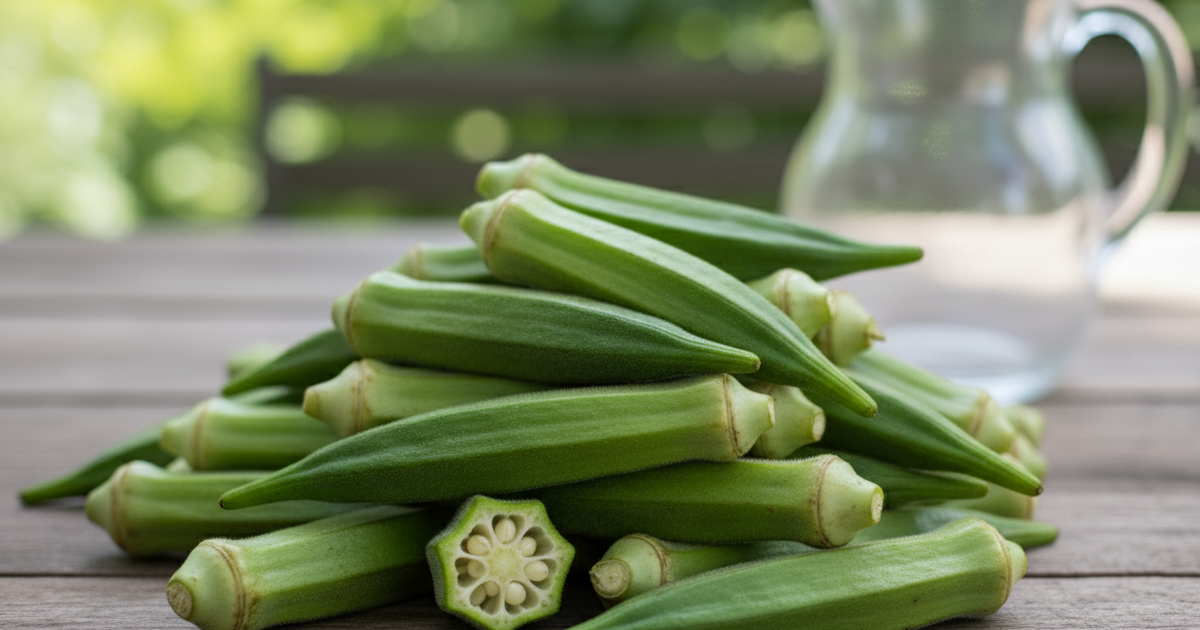
Scientifically known as Abelmoschus esculentus, this warm-season vegetable belongs to the Malvaceae family, making it a close relative of hibiscus and cotton. Cultivated for centuries across tropical, subtropical, and warm temperate regions around the globe, it is celebrated for its distinct long, slender, and ridged shape.
The Signature Slime: Mucilage Explained
The most defining characteristic of this vegetable is its thick, gelatinous substance called mucilage. While the gooey texture can be polarizing for some culinary enthusiasts, this soluble fiber is actually a powerhouse of wellness. It plays a massive role in digestive comfort and offers unique cooking properties that act as a natural thickener for stews and soups.
Nutritional Breakdown: A Low-Calorie Nutrient Powerhouse
To truly understand what happens to your body when you eat this veggie regularly, we have to look at the numbers. It is incredibly nutrient-dense, meaning it provides a high amount of vital vitamins and minerals while keeping calories exceptionally low.
Here is a look at what a standard 100-gram serving of raw lady’s finger brings to your plate:
| Nutrient |
Approximate Value per 100g |
Daily Value (DV) Percentage |
| Calories |
33 kcal |
~1.5% |
| Carbohydrates |
7.5 g |
~2.5% |
| Dietary Fiber |
3.2 g |
12% |
| Protein |
1.9 g |
4% |
| Fat |
0.2 g |
<1% |
| Vitamin C |
23 mg |
26% |
| Vitamin K |
31.3 mcg |
26% |
| Vitamin A |
36 mcg |
4% |
| Folate (B9) |
60 mcg |
15% |
| Magnesium |
57 mg |
14% |
| Calcium |
82 mg |
8% |
What Happens to Your Body When You Eat It Regularly?
When consumed as part of a balanced, daily routine, the compounds found within these green pods trigger several positive physiological responses.
1. Robust Digestive Support and Gut Optimization
The high concentration of both soluble and insoluble fiber works wonders for the gastrointestinal tract.
-
Prevents Discomfort: The insoluble fiber adds bulk to stool, ensuring smooth transit through the intestines and eliminating occasional irregularities.
-
Soothes the Gut Lining: The natural mucilage acts as a protective barrier along the stomach lining, mitigating the irritating effects of excess gastric acid.
-
Feeds Good Bacteria: It acts as a prebiotic, nourishing the beneficial microbes in your microbiome to boost overall systemic resilience.
2. Natural Sugar Management
For individuals mindful of their metabolic markers, this plant is a remarkable dietary ally. Studies suggest that the purified mucilage helps slow down the absorption of glucose in the intestinal tract. By spacing out nutrient absorption, it prevents sudden spikes in blood sugar after meals, promoting steady energy levels throughout the day.
3. Cardiovascular and Lipid Maintenance
The soluble fiber doesn’t just assist your stomach; it also binds to cholesterol compounds during digestion. Once bound, these lipids are naturally expelled from the body rather than being reabsorbed into the bloodstream. Furthermore, the vegetable contains zero cholesterol and virtually no fat, making it an ideal choice for heart-conscious meal planning.
4. Immune Defense and Cellular Longevity
Loaded with Vitamin C and powerful polyphenols (such as isoquercitrin and quercetin), this veggie provides your body with a steady supply of antioxidants. These molecules actively neutralize free radicals—unstable elements that cause oxidative stress and cellular aging. A strong antioxidant intake supports natural skin radiance and reinforces your body’s defense mechanisms.
5. Bone Density and Coagulation Support
A single serving provides more than a quarter of your daily requirement for Vitamin K. This fat-soluble vitamin is vital for synthesizing the proteins required for proper blood clotting and acts as a structural cofactor that allows calcium to bind correctly to bone matrices, maintaining skeletal strength.
Separating Myth from Reality: The Risks of Overconsumption
While the wellness benefits are undeniable, eating massive amounts of any single food can lead to imbalances. The sensational claims on social media often distort minor, manageable side effects into terrifying warnings.
Here is the realistic truth about the potential downsides of excessive intake:
The Oxalate Factor: Kidney Concerns
Like spinach, rhubarb, and beets, lady’s finger contains naturally occurring substances called oxalates.
-
The Reality: For the vast majority of healthy adults, oxalates pass through the urinary system without issue.
-
The Risk: If you have a personal history of calcium-oxalate kidney stones, consuming large amounts of oxalate-dense foods might elevate your risks.
Safe Practice: If you are prone to stones, enjoy this vegetable in moderation, boil it to reduce soluble oxalate levels, and drink plenty of water to assist your kidneys.
Gastrointestinal Shifts: FODMAPs
This vegetable contains fructans, a type of carbohydrate classified under FODMAPs (Fermentable Oligosaccharides, Disaccharides, Monosaccharides, and Polyols).
-
The Reality: Fructans are great food for a healthy microbiome.
-
The Risk: Individuals diagnosed with Irritable Bowel Syndrome (IBS) or sensitive digestive tracts might experience bloating, gas, or mild abdominal cramps if they consume a massive portion all at once.
Solanine Accumulation
As a distant cousin of the nightshade family, the plant contains trace amounts of a compound called solanine. While the levels are nowhere near enough to cause discomfort under normal circumstances, people dealing with severe inflammatory joint issues or specific sensitivities sometimes choose to monitor their intake of nightshade-related produce.
How to Prepare and Cook It to Maximize Wellness
The way you prepare your vegetables heavily influences their nutritional impact. Deep-frying them in heavy batters introduces unwanted trans fats and excessive sodium, nullifying the heart-healthy perks. Instead, consider these nutrient-preserving cooking techniques:
1. Light Sautéing or Stir-Frying
Tossing sliced pods into a pan with a splash of heart-healthy olive oil or avocado oil over medium heat preserves the crisp texture while locking in water-soluble Vitamin C. Pair it with garlic, onions, and turmeric to supercharge the antioxidant profile of your meal.
2. Roasting for a Crunchy Texture
If you dislike the slimy texture of mucilage, try roasting. Slice the pods lengthwise, coat them lightly with oil and your favorite spices, and bake at a high temperature ($200^\circ\text{C}$ or $400^\circ\text{F}$) until the edges turn golden brown. The dry heat caramelizes the natural sugars and minimizes the gooey consistency completely.
3. Steaming and Blanching
Steaming the whole pod keeps the structural walls intact, preventing the mucilage from leaking out into the dish. This method keeps the vegetable incredibly light and low in calories, making it a perfect side dish alongside lean proteins like grilled chicken or baked fish.
4. The Famous “Okra Water” Trend
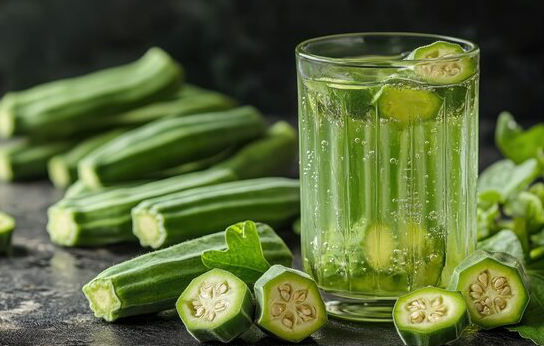
An increasingly popular wellness practice involves slicing a few raw pods, soaking them overnight in a glass of water, and drinking the liquid first thing in the morning. While this method successfully extracts some of the soluble fiber and mucilage, eating the whole cooked vegetable remains the superior option because drinking the water alone discards the essential insoluble fiber and fat-soluble vitamins trapped within the plant walls.
Smart Buying and Storage Strategies
To get the most out of your fresh produce, keep these selection tips in mind next time you visit the grocery store or local farmers’ market:
-
Look for Vibrant Color: Select pods that are bright green, firm to the touch, and free from dark spots or blemishes.
-
Size Matters: Smaller pods (around 2 to 4 inches long) are generally tender and sweet. Overgrown, giant pods tend to be woody, fibrous, and difficult to chew.
-
The Snap Test: A fresh pod should have a slight give but snap cleanly at the stem end when bent.
-
Storage Advice: Keep them unwashed in a breathable paper bag inside your refrigerator’s crisper drawer. Water hastens slime production and mold growth, so only wash them immediately before you plan to cook them. They typically stay fresh for 3 to 5 days.
The Verdict: Superfood or Hype?
So, what is the final conclusion when it comes to those viral social media warnings?
Unless you have a specific medical condition—such as a tendency to form calcium-oxalate kidney stones or a severe sensitivity to nightshade compounds—eating lady’s finger regularly is an incredibly smart, health-boosting choice for your body. It provides a massive amount of fiber, stabilizes metabolic energy, protects your heart, and keeps your immune system running optimally.
Instead of scrolling through sensationalized online headlines designed to scare you for clicks, focus on incorporating a diverse array of colorful, whole vegetables into your daily routine. Balance, moderation, and mindful cooking methods are the true keys to achieving long-term vitality.