
The Ultimate Guide to What Your Urine Color Says About Your Health
Have you ever paused to glance into the toilet bowl before flushing? It might not be the most glamorous habit,…
23/05/2026 12:13
Have you ever stumbled across a vibrant, golden-orange fruit that looks like a cross between an apricot and a plum, but tastes like something entirely unique? If you have seen the viral social media posts where people claim they have spent their whole lives searching for the name of this fruit, you are not alone.
This hidden gem of nature is called the loquat.
While it remains an exotic mystery to many parts of the world, this incredible fruit has been cherished for centuries in various cultures for its refreshing taste, unique texture, and remarkable wellness advantages. In this definitive guide, we will break down everything you need to know about the loquat—from its origins and flavor profile to how you can enjoy it at home.
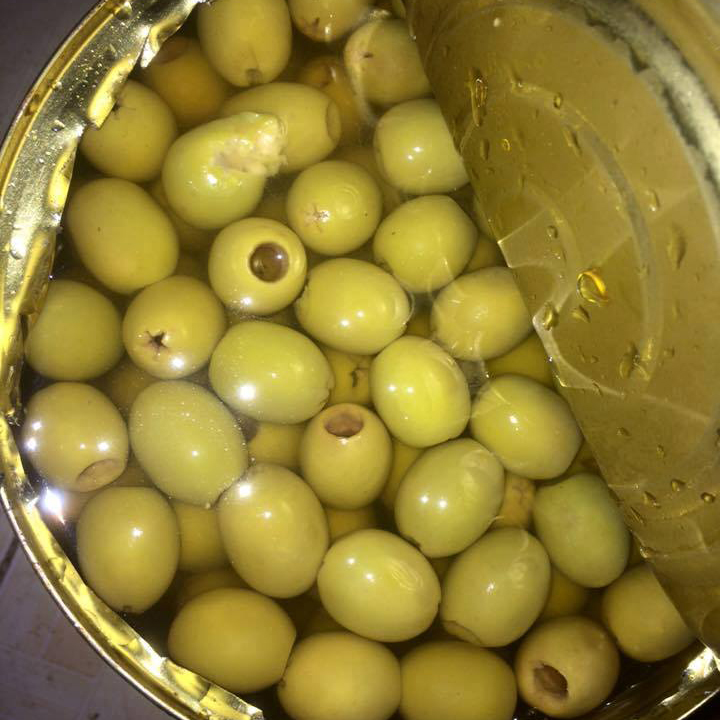
The loquat (Eriobotrya japonica) is a large evergreen shrub or small tree belonging to the Rosaceae family, which curiously makes it a cousin to apples, pears, and peaches.
Origin: Despite its botanical name suggesting a Japanese origin, the loquat is actually native to the cooler hill regions of south-central China. It was introduced to Japan over a thousand years ago, where it became deeply integrated into local agriculture and culture.
Appearance: Loquats grow in clusters. They are typically oval, rounded, or pear-shaped, measuring about 1 to 2 inches long. They sport a smooth or slightly downy skin that ranges from pale yellow to a deep, brilliant orange when fully ripe.
The Interior: As seen in popular photos, when you split a loquat open, it reveals a succulent, light yellow or orange flesh surrounding one to a few large, smooth, dark brown seeds.
Describing the flavor of a loquat is like describing a perfect tropical symphony. It does not taste like just one single fruit; instead, it offers a complex, delightful blend of familiar flavors:
The Flavor Notes: Most people describe the taste as a pleasant mix of sweet apricot, juicy peach, and a subtle tang reminiscent of citrus or plum.
Texture: When perfectly ripe, the flesh is incredibly juicy, tender, and meltingly smooth, offering an instant burst of refreshment.
Sweet vs. Tart: Early-season or slightly underripe loquats carry a sharp, tangy bite, while fully mature, deep-orange fruits are intensely sweet and rich.

Beyond its delightful taste, this golden fruit is packed with natural goodness that supports a vibrant, healthy lifestyle.
Loquats are an excellent low-calorie option that provides an array of essential vitamins and minerals. They are particularly high in Vitamin A, which is essential for maintaining excellent vision, supporting immune function, and promoting radiant skin health.
The beautiful orange color of the loquat comes from carotenoids, particularly beta-carotene. These compounds act as potent antioxidants in the body, helping to neutralize free radicals, reduce oxidative stress, and support long-term cellular health.
The fruit contains a good amount of dietary fiber, particularly pectin. Fiber is crucial for maintaining a healthy digestive tract, promoting regular bowel movements, and supporting overall gut health.
With its high water content and natural fruit sugars, enjoying fresh loquats is a fantastic, clean way to rehydrate and boost your energy levels during a warm afternoon without relying on processed snacks.

Because loquats are delicate and have a relatively short shelf life, knowing how to handle them ensures you get the absolute best flavor experience.
| Stage | What to Look For / How to Action |
| Selection | Choose fruits that are plump, firm yet slightly soft to the touch, and have a deep yellow or orange hue. Avoid fruits with large bruises or overly wrinkled skin. |
| Storage | Freshly picked loquats can keep at room temperature for a couple of days. If you want them to last longer, store them in the refrigerator crisper drawer for up to a week. |
| Preparation | Wash the fruit thoroughly. You can peel the skin easily with your fingers or a knife, though the skin is entirely edible. Cut the fruit in half, pop out the large brown seeds, and scrape away the thin internal membrane. |
While eating them fresh right off the tree is an unmatched joy, the culinary versatility of loquats makes them a favorite among chefs and home cooks alike.
Fresh Salads: Toss sliced loquats into green salads or fruit salads to add a bright, sweet-tart pop of flavor.
Jams and Jellies: Because they are naturally high in pectin, loquats simmer down beautifully into rich, golden preserves, jams, and tarts.
Savory Pairings: Try dicing loquats with red onions, cilantro, lime juice, and a bit of chili to create a vibrant fruit salsa that pairs beautifully with grilled dishes.
Baked Goods: Use them as a unique substitute for peaches or apricots in pies, cobblers, crumbles, and muffins.
The loquat is truly an exceptional gift from nature that bridges the gap between exotic mystery and comforting familiarity. If you happen to spot these beautiful golden gems at a local farmer’s market, an Asian grocery store, or growing wild in a neighbor’s yard, do not hesitate to grab a handful. Your tastebuds will thank you for discovering one of the sweetest secrets the natural world has to offer!
Have you ever paused to glance into the toilet bowl before flushing? It might not be the most glamorous habit,…

The Ultimate Guide to the Loquat Fruit Introduction: The Mysterious Golden Fruit Have you ever stumbled across a vibrant, golden-orange…

A parent recently shared a disturbing photo online after discovering a strange curled object hidden under her son’s bed while…

Tilapia has long been one of the most commonly eaten fish in many countries because it is cheap, easy to…

Pineapple is one of the most popular tropical fruits in the world. Sweet, juicy, and refreshing, it is loved not…

Are you tired of looking at thinning hair in the mirror and wishing for a magic solution? The remedy might…