The Natural Path to Thicker Hair: Onion Oil Uncovered
Are you tired of looking at thinning hair in the mirror and wishing for a magic solution? The remedy might not be a high-end chemical treatment, but a humble kitchen staple. Onion hair oil has emerged as a major player in natural hair care, promising to revitalize the scalp and promote denser-looking locks.
This comprehensive guide explores the science, application, and reality of using this botanical remedy to transform your hair routine.
Why Is Everyone Talking About Onion Oil?
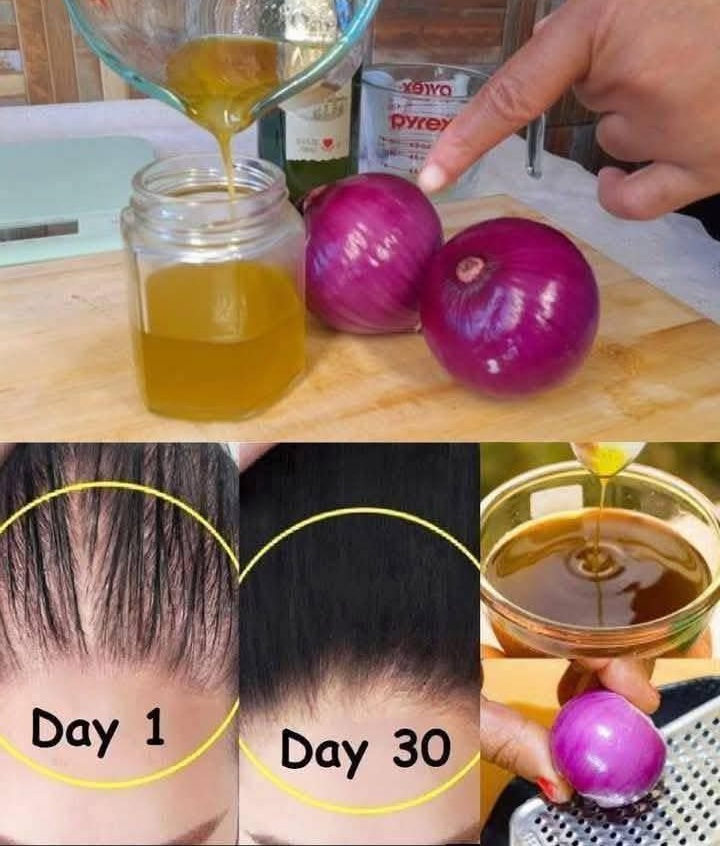
Social media platforms are flooded with dramatic transformation photos showing sparse hairlines turning into thick, lush manes within weeks. While some online claims lean toward exaggeration, the core science behind onion extract for scalp health is surprisingly solid.
Instead of relying on harsh synthetic formulas that can irritate sensitive skin, many people are turning back to traditional, plant-based remedies. Onion oil represents a bridge between ancient holistic practices and modern wellness trends, offering a nutrient-dense approach to hair maintenance.
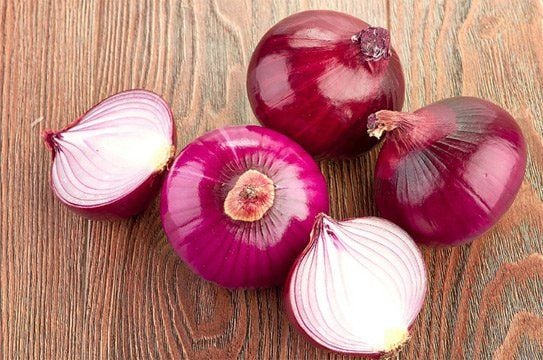
The Nutrient Profile: What Makes Onions Special?
To understand why this pungent vegetable benefits the scalp, we have to look closely at its molecular composition. Onions are not just flavor enhancers; they are packed with bioactive compounds that support tissue health.
1. High Sulfur Content
Sulfur is often referred to as a fundamental building block of hair. Hair strands are primarily made of a tough protein called keratin, which relies on sulfur-rich amino acids (like cysteine) to form strong chemical bonds.
-
Structural Support: Adequate sulfur helps maintain the structural integrity of the hair shaft, reducing structural weaknesses.
-
Resilience: By supporting the protein bonds within each strand, sulfur makes hair less prone to snapping during brushing or styling.
2. Rich in Dietary Antioxidants
Onions, especially the red and purple varieties, are loaded with flavonoids, particularly quercetin.
-
Environmental Defense: Antioxidants neutralize free radicals generated by pollution, UV rays, and daily stress.
-
Scalp Preservation: By mitigating oxidative stress, these compounds help protect the delicate hair follicles from premature aging and environmental wear.
3. Antimicrobial Properties
The natural compounds in onions exhibit quiet but effective antibacterial and antifungal properties. A healthy hair environment requires a balanced scalp microbiome. By keeping unwanted microbes in check, onion extract helps maintain a clean, comfortable base for your hair to grow.
How Onion Oil Optimizes the Scalp Environment
Hair health is entirely dependent on the condition of the scalp. Think of your scalp as the soil; if the soil is nutrient-poor or stressed, the plants cannot thrive.
| Feature |
How Onion Oil Helps |
Visible Benefit |
| Microcirculation |
Massaging the oil improves localized blood flow. |
Better delivery of nutrients to the root. |
| pH Balance |
Helps maintain an optimal, slightly acidic scalp environment. |
Less dryness and reduced flaking. |
| Follicle Nourishment |
Delivers concentrated vitamins directly to the base of the strand. |
Hair appears more robust and vibrant. |
Enhancing Local Circulation
When you apply onion oil, the physical act of massaging it into the skin plays a massive role in its success. The combination of active onion compounds and mechanical massage encourages blood flow to the surface. This ensures that oxygen and vital nutrients efficiently reach the active base of each hair strand.
DIY vs. Store-Bought: Choosing Your Method
If you want to introduce this remedy into your routine, you have two main paths: brewing a batch in your kitchen or purchasing a professionally formulated product.
The Homemade Approach
Making your own blend allows for total control over the ingredients. Typically, people blend fresh red onions to extract the juice, then simmer it gently with a stable base carrier oil like coconut oil, sesame oil, or pure olive oil until the water evaporates, leaving behind an infused treatment.
-
Pros: 100% natural, free from synthetic preservatives, highly cost-effective.
-
Cons: Strong, lingering aroma; requires time to prepare; lacks professional stabilizing agents, meaning it can spoil quickly if water remains in the mixture.
The Commercial Approach
Modern beauty brands have mastered the art of extracting the beneficial elements of onion while neutralizing the intense scent. These formulations often blend onion extract with other celebrated botanicals like rosemary, bhringraj, black seed oil, or amla.
-
Pros: Shelf-stable, travel-friendly, enhanced with pleasant natural fragrances, often lighter in texture.
-
Cons: More expensive; requires careful label-reading to ensure you are avoiding unwanted silicones or artificial heavy dyes.
Step-by-Step Guide: How to Apply Onion Oil Correctly
To get the most out of this natural remedy without causing irritation, follow a deliberate, gentle application method.
Step 1: The Vital Patch Test
Because onion juice is highly concentrated and naturally acidic, it can cause a warming sensation or mild redness on sensitive skin. Always apply a few drops of the oil to the inside of your elbow or a small spot behind your ear. Wait 24 hours to ensure no adverse reactions occur.
Step 2: Section and Warm
Section your hair into manageable parts to expose the scalp clearly. Take a small amount of onion oil and warm it slightly between your palms. Warm oil penetrates the skin surface more efficiently than cold oil.
Step 3: Gentle Massaging
Using the pads of your fingers (never your nails), apply the oil directly to the skin of your scalp. Use circular, rhythmic motions. Focus on areas that feel dry or look sparse, spending at least 5 to 7 minutes massaging the area to boost local circulation.
Step 4: Rest and Rest Intervals
Leave the oil on for a minimum of 30 minutes to a maximum of two hours.
Step 5: Thorough Rinsing
Wash your hair with a gentle, sulfate-free balancing shampoo. You may need to lather twice to completely lift the oil away, ensuring no heavy residue remains to weigh down your hair or clog pores.
Managing the Practicalities: Dealing with the Scent
The biggest hurdle for most people adopting this routine is the unmistakable, pungent aroma of fresh onions. Fortunately, you do not have to walk around smelling like a kitchen.
-
Essential Oil Dilution: If making a DIY batch, add a few drops of high-quality lavender, peppermint, or rosemary essential oil to the final blend. These oils possess excellent scalp-loving properties while masking the sharp onion scent.
-
The Citrus Rinse: After washing the oil out, a final rinse with water containing a splash of fresh lemon juice or a drop of apple cider vinegar can neutralize residual odors beautifully.
-
Frequency Matters: You do not need to use this treatment daily. Utilizing it 1 to 2 times a week is more than enough to reap the rewards without overwhelming your senses or your hair.
Setting Realistic Expectations
It is crucial to look past viral internet marketing and understand what natural remedies can and cannot achieve.
The Timeline of Hair Care
Hair moves through distinct growth phases (Anagen, Catagen, and Telogen). Because of these natural biological cycles, no topical solution can alter the appearance of your hair overnight.
-
Weeks 1–4: The scalp environment begins to balance out. You may notice less dryness, reduced flaking, and a smoother texture at the roots.
-
Weeks 4–8: Hair feels more resilient. Strands become less prone to breaking during routine styling, giving the illusion of a fuller head of hair.
-
Months 3+: With consistent, long-term use alongside a balanced lifestyle, the overall quality and density of your hair look visibly optimized.
When to Seek Professional Guidance
While topical botanical treatments are excellent for general hair maintenance, cosmetic care cannot address deep-seated underlying medical concerns. If you are experiencing sudden, patchy, or severe hair loss, it could stem from internal factors such as hormonal fluctuations, thyroid imbalances, severe nutritional deficiencies, or genetics. In these instances, consulting a certified dermatologist or trichologist is the safest and most effective course of action.
Holistic Habits That Support Hair Vitality
No topical oil works in a vacuum. To maximize the benefits of your onion oil routine, support your body from the inside out with healthy lifestyle choices.
Nutrient-Dense Nutrition
Your hair follicles require a steady supply of vitamins and minerals to construct strong strands. Focus on incorporating a wide variety of whole foods into your daily meals:
-
Lean Proteins: Eggs, fish, poultry, and plant-based legumes provide the amino acids required for keratin production.
-
Iron-Rich Options: Spinach, lentils, and red meat help ensure efficient oxygen transport to your scalp tissues.
-
Healthy Fats: Walnuts, chia seeds, and avocados provide essential fatty acids that keep the scalp moisturized naturally.
Stress Reduction and Hydration
High stress levels trigger the release of hormones that can disrupt the natural cycle of your hair, pushing strands prematurely into the resting phase. Dedicate time to mindfulness, regular movement, and quality sleep. Additionally, drinking plenty of water keeps your scalp hydrated from within, ensuring optimal cellular function.
The Verdict on Onion Hair Oil
Onion hair oil is far more than a passing digital fad. Backed by centuries of traditional use and validated by the presence of strengthening sulfur and protective antioxidants, it offers a practical, accessible path to enhanced hair wellness.
By practicing patience, committing to a consistent weekly routine, and keeping your expectations grounded in biology, you can tap into this potent botanical secret to reveal a more vibrant, healthy-looking mane. Ready to upgrade your routine? Try incorporating a gentle onion oil massage this week and let your scalp experience the difference.