
Spot the Hidden Truth Behind Your Personality Traits
Spot the Hidden Truth Behind Your Personality Traits Optical illusions have fascinated humanity for centuries, serving as a captivating bridge…
22/05/2026 12:26
The human body has fascinating ways of signaling its internal state, and your oral cavity is often the first line of communication. When unusual patterns or patches appear on the surface of your taste organ, it can feel unsettling. Social media feeds are often flooded with alarming claims linking these marks to severe organ damage. However, understanding the actual science behind these visual changes can replace anxiety with actionable health knowledge.
One of the most visually striking yet frequently misunderstood oral conditions is characterized by smooth, red patches surrounded by raised, whitish borders. This gives the surface a map-like appearance. If you have noticed these shifting patterns, you are likely looking at a common condition known scientifically as benign migratory glossitis.
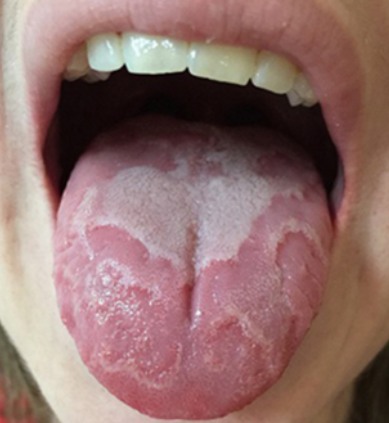
To understand what is happening, it helps to look at the anatomy of your oral surface. Your tongue is naturally covered in tiny, hair-like projections called papillae. These structures play a crucial role in tasting food and creating the typical texture of the oral lining.
When a person experiences migratory glossitis, patches of these papillae temporarily disappear from specific areas. This leaves smooth, red zones that look slightly raw or irritated.
The “Migratory” Nature: The most unique feature of this condition is how it moves. A smooth red patch might appear on the tip of the tongue one week, heal completely, and then reappear on the sides or back the following week.
The Borders: The red zones are typically framed by a slightly elevated white, wavy, or yellowish border, mimicking the borders of countries on an atlas.
Duration: These patterns can last for days, weeks, or even months before fading entirely, only to return during times of physical change.
While the visual presentation can look dramatic, clinical experts emphasize that this is a benign condition. This means it is entirely non-malignant, non-infectious, and cannot be passed from person to person through contact.
On digital platforms, posts frequently use spaced-out letters or hidden phrasing to claim that a patchy oral surface is a direct warning sign that major metabolic organs are in severe jeopardy. It is vital to separate internet scare tactics from verified medical facts.
Medical research confirms there is no established direct link between benign migratory glossitis and acute failure of your filtration or metabolic systems. While full-body wellness is interconnected, a map-like tongue does not mean your internal filtration organs are failing.
Scare tactics are often designed to generate clicks and shares rather than provide genuine health guidance. Instead of panicking over sensationalized online posts, looking at the actual underlying triggers provides a much clearer path to comfort.

While the exact root cause of migratory glossitis remains a subject of ongoing study, clinical observation has identified several key factors that heavily influence its appearance.
Evidence suggests that family history plays a significant role. If your parents or close relatives frequently experienced a patchy or sensitive oral surface, your likelihood of developing it is notably higher.
The human body reacts to mental pressure and lack of rest by altering its immune responses. Many individuals report that these smooth red patches flare up precisely during high-stress periods, major life transitions, or bouts of exhaustion.
The cells that form oral papillae turn over very rapidly. To maintain this quick regeneration, your system requires a steady supply of specific nutrients. A drop in certain elements can hinder this process, leading to temporary bald patches on the surface. Key nutrients include:
Iron
Zinc
Vitamin B6
Vitamin B12
Folic Acid
Fluctuations in hormone levels can alter the sensitivity and renewal rate of oral tissues. It is common for these patterns to emerge or become more pronounced during specific phases of the menstrual cycle, during pregnancy, or during significant metabolic transitions.
Certain foods and oral hygiene products contain ingredients that irritate sensitive oral linings. Common culprits include highly acidic fruits, intense spices, chemical additives, and toothpastes containing heavy foaming agents like sodium lauryl sulfate (SLS).
It is easy to mistake migratory glossitis for other common oral issues. Understanding the differences helps you communicate more effectively with your healthcare provider.
| Condition Name | Primary Visual Appearance | Common Associated Symptoms |
| Migratory Glossitis | Shifting, smooth red patches with raised white or wavy borders. | Mild sensitivity to spice or acid; patterns move over time. |
| Oral Thrush | Thick, creamy white patches resembling cottage cheese. | Can be scraped away, leaving a tender red surface underneath; often burns. |
| Leukoplakia | Thickened, firm white patches that cannot be scraped off. | Usually painless; requires professional monitoring. |
| Fissured Surface | Deep grooves or cracks running along the middle or sides. | Food particles can get trapped; often co-exists with migratory glossitis. |
Because migratory glossitis is harmless, it rarely requires aggressive medical intervention. Management focuses primarily on reducing discomfort during active flare-ups and supporting overall oral health.
When the protective papillae are temporarily absent, exposed areas can be highly sensitive to certain flavors. During a flare-up, consider making temporary adjustments:
Limit Acidic Foods: Reduce your intake of citrus fruits, tomatoes, and vinegar-heavy dressings.
Avoid Intense Heat and Spice: Let hot drinks cool down before sipping, and opt for mild seasonings over chili peppers or heavy spices.
Skip Rough Textures: Avoid crunchy chips, hard crusts, or sharp snacks that could mechanically scratch the sensitive areas.
Many commercial toothpastes and mouthwashes contain strong flavoring agents (like intense mint) or harsh detergents designed to create foam. Switch to a mild, alcohol-free mouthwash and a gentle toothpaste formulated for sensitive mouths.
Since systemic strain frequently triggers flare-ups, building reliable relaxation habits into your daily routine can minimize the frequency of these episodes. Aim for consistent sleep patterns, practice deep breathing exercises, and maintain a balanced work-life rhythm.
Incorporate nutrient-dense foods into your meals to support tissue regeneration. Lean proteins, leafy green vegetables, legumes, and whole grains are excellent sources of the essential B-vitamins, iron, and zinc your oral tissues need to thrive.
While benign patterns are not a cause for panic, maintaining a partnership with a dental specialist or a medical professional is always the smartest approach to health.
You should schedule an assessment if:
The patches become highly painful or interfere with your ability to eat, swallow, or speak normally.
The lesions begin to bleed or develop deep, open sores.
You notice signs of a secondary issue, such as a high fever or swelling in your neck or jaw area.
The spots remain completely fixed in one exact location for several weeks without shifting or changing shape.
A professional can quickly confirm the nature of the condition, rule out other possibilities, and offer tailored advice or prescription-strength soothing rinses if your symptoms are particularly bothersome.
Your body is a complex, beautifully synchronized system. While a map-like tongue might look surprising when you check the mirror in the morning, it is rarely a reason to fear for your vital internal organs. Instead, look at it as a gentle reminder from your system to slow down, replenish your nutrients, manage your daily stressors, and treat your oral health with care. By filtering out online misinformation and focusing on evidence-based wellness practices, you can confidently navigate your path to optimal physical health.
Spot the Hidden Truth Behind Your Personality Traits Optical illusions have fascinated humanity for centuries, serving as a captivating bridge…
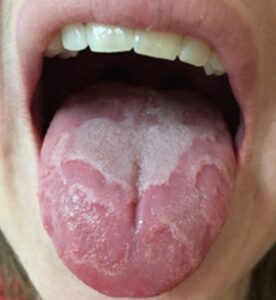
Your Tongue Health and What It Reveals About Your Body Discover what a map-like pattern on your tongue really means…

Are you ready to give your mind a quick, fun workout? Visual puzzles and brain teasers have taken the internet…

Snoring is often treated as a harmless habit or even something people joke about inside relationships. But sleep experts warn…
For generations, ginger has been used in traditional remedies for warming the body, improving circulation, and easing discomfort. But recently,…

For most people, the bathroom feels like one of the safest places inside the home. But in several shocking incidents…