Sleeping with a fan on is a common habit, especially during hot nights when staying cool becomes essential for a good night’s rest. The steady hum of a fan can also act as white noise, helping many people fall asleep faster. However, while fans offer comfort, they can also have unexpected effects on your body. Understanding both the benefits and potential downsides can help you use a fan more safely and effectively.
Why People Prefer Sleeping with a Fan
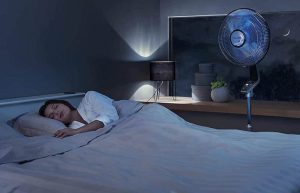
Fans are popular for several reasons:
- They circulate air, making the room feel cooler
- They reduce humidity and improve comfort
- The consistent sound helps block out background noise
For many, sleeping without a fan feels uncomfortable, especially in warm environments.
1. Improved Sleep Through Cooling
One of the biggest advantages of sleeping with a fan is temperature regulation.
Your body naturally lowers its core temperature at night to prepare for sleep. A fan can:
- Help maintain a cooler environment
- Prevent overheating
- Promote deeper, uninterrupted sleep
This is particularly helpful for people who experience night sweats or live in hot climates.
2. White Noise Effect
The gentle, repetitive sound of a fan acts as white noise, which can improve sleep quality.
This sound:
- Masks sudden noises like traffic or talking
- Creates a calming environment
- Helps the brain relax
As a result, many people fall asleep faster and wake up less often during the night.
3. Dry Air Can Affect Your Body
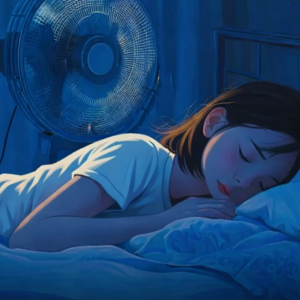
While fans circulate air, they can also cause dryness—especially if pointed directly at your body.
Common effects include:
- Dry throat or mouth upon waking
- Irritated eyes
- Dry skin
This happens because continuous airflow increases evaporation of moisture from your body.
4. Worsening Allergies
Fans can stir up dust, pollen, and other allergens in your room.
If your fan blades or room are not clean, you may experience:
- Sneezing or congestion
- Itchy eyes
- Increased mucus production
For people with allergies or asthma, this can make symptoms worse overnight.
5. Muscle Stiffness and Body Pain
Sleeping directly in a stream of cold air may lead to muscle tension.
Some people wake up with:
- Neck stiffness
- Shoulder pain
- General body discomfort
This happens because prolonged exposure to cool air can cause muscles to tighten during sleep.
6. Sinus and Throat Irritation
Fans can dry out nasal passages and throat tissues, especially if used all night.
This may result in:
- A sore or scratchy throat
- Sinus irritation
- Increased mucus as the body tries to compensate
If you often wake up feeling congested, your fan could be a contributing factor.
7. Risk of Dehydration
Although not severe, continuous airflow can slightly increase fluid loss through the skin and breathing.
If you do not drink enough water, you may notice:
- Mild dehydration
- Dry lips
- Morning fatigue
Staying hydrated can help reduce these effects.
How to Use a Fan Safely While Sleeping
You don’t have to give up your fan—just use it wisely:
Adjust the Direction
Avoid pointing the fan directly at your face or body. Let it circulate air around the room instead.
Keep Your Room Clean
Regularly clean fan blades and your sleeping area to reduce allergens.
Use a Timer
Set a timer so the fan turns off after you fall asleep.
Stay Hydrated
Drink enough water throughout the day to prevent dryness.
Consider a Humidifier
Adding moisture to the air can balance the drying effect of a fan.
Final Thoughts
Sleeping with a fan on can be both helpful and harmful, depending on how you use it. While it improves comfort, cools your body, and enhances sleep through white noise, it can also lead to dryness, allergies, and muscle discomfort if used improperly.
By making small adjustments—such as positioning the fan correctly and keeping your environment clean—you can enjoy the benefits without the drawbacks. Ultimately, the key is balance: using your fan in a way that supports restful, healthy sleep.