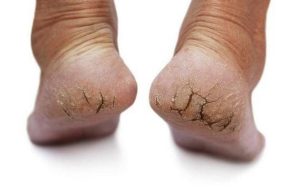
Say Goodbye to Cracked Heels: 5 Proven Home Remedies
Dry, cracked heels (technically known as heel fissures) are more than just a cosmetic nuisance. They can be uncomfortable and,…
30/03/2026 11:20
The image above reveals a biological secret that is changing how we understand metabolic health. For years, the conversation around blood sugar management focused almost entirely on the number on the scale. However, groundbreaking research from Newcastle University, led by Professor Roy Taylor, suggests that the “where” matters much more than the “how much.”
This concept, known as the Twin Cycle Hypothesis, explains why some people struggle with glucose levels even if they aren’t considered “overweight” by traditional standards.
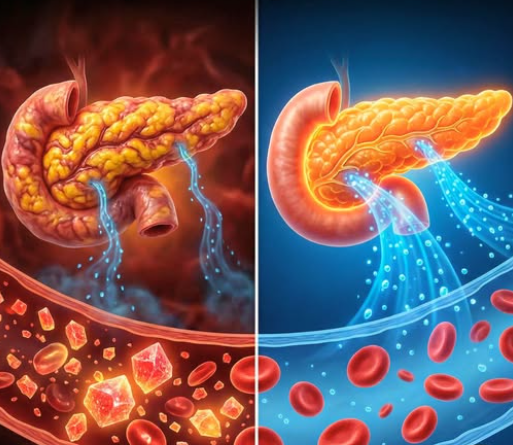
Most people think of fat as the layer under the skin (subcutaneous fat). While this can affect our appearance, it is often relatively harmless to our internal chemistry. The real issue arises from visceral fat—specifically the fat that builds up inside our vital organs.
The Liver Cycle: When the body reaches its “personal fat threshold,” excess energy begins to store in the liver. This makes the liver resistant to insulin, causing it to pump out extra glucose into the bloodstream even when you haven’t eaten.
The Pancreas Cycle: Eventually, the liver “overspills” this fat into the pancreas. In the pancreas, these fatty deposits can “clog” the beta cells—the tiny factories responsible for producing insulin. When these cells are stressed by fat, they essentially go into a “sleep mode,” failing to respond to rising sugar levels.
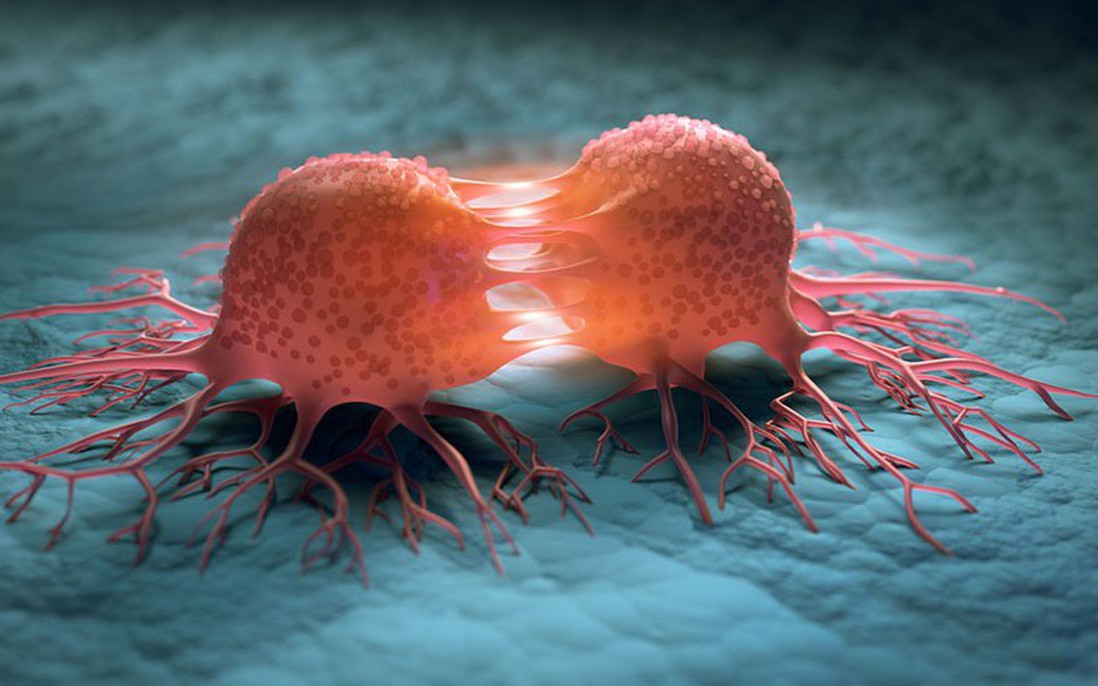
If you have been focusing only on general weight loss, you might be frustrated by slow results. The research indicates that to see a real shift in metabolic function, the body needs to tap into those internal “organ fat” stores.
The good news? The liver and pancreas are often the first places to shed fat when you follow a targeted nutritional approach. Even a modest change in overall body percentage can lead to a massive reduction in organ fat, potentially allowing those “sleeping” pancreatic cells to wake up and start functioning properly again.
Understanding this biology changes the goal. It’s no longer just about fitting into smaller clothes; it’s about cellular de-clogging.
Focus on Nutrient Density: Prioritize foods that support liver health and reduce systemic inflammation.
Monitor the Right Metrics: Instead of just the scale, pay attention to waist circumference and energy levels, which are better indicators of visceral fat loss.
The Power of Consistency: Small, sustainable changes in caloric intake can trigger the body to begin using those deep internal fat stores for fuel.
Dry, cracked heels (technically known as heel fissures) are more than just a cosmetic nuisance. They can be uncomfortable and,…
The image above reveals a biological secret that is changing how we understand metabolic health. For years, the conversation around…

A good night’s sleep is essential for overall health, but how you sleep can be just as important as how…

After the strange sights of rabbits and squirrels with tumor-like growths hanging off their bodies, now deer with the same…

The World Health Organization (WHO), the World Heart Federation, and the American Heart Association estimate that heart failure (HF) is…

Swelling in the hands and feet is generally not concerning, unless it happens suddenly and is accompanied by other symptoms.…