
No matter how small your house is, you should grow this plant at home
“No matter how small your house is, you must grow this plant in your house.”This bold statement has been circulating…
30/03/2026 06:11
In recent years, scientists have increasingly focused on the role of the gut microbiome—the vast community of microorganisms living in our digestive system—in shaping overall health. Beyond digestion, this complex ecosystem has been linked to immune function, mental health, metabolism, and even the risk of developing chronic diseases. Now, emerging research suggests it may also play a critical role in autism.
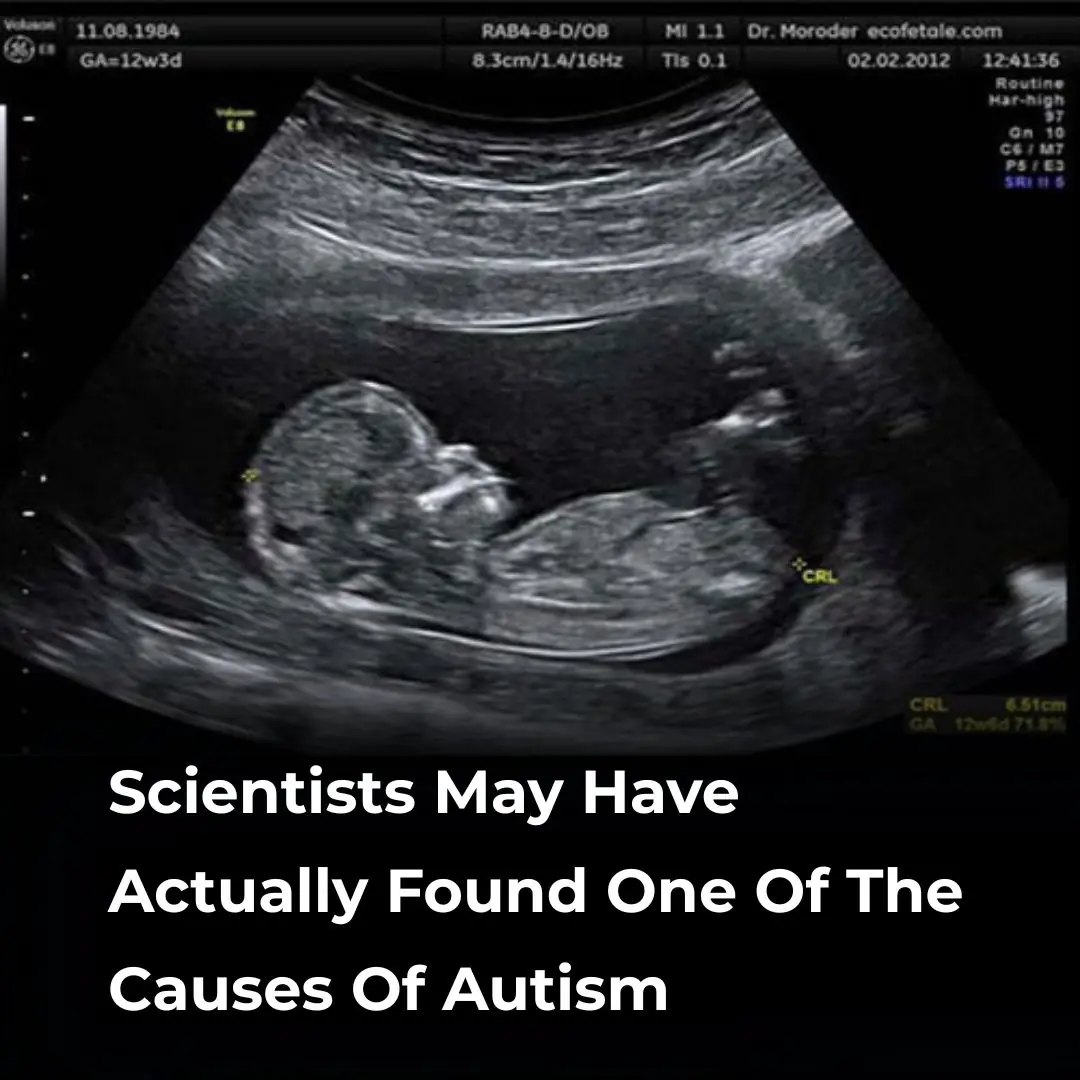
A new study published in The Journal of Immunology highlights a compelling connection between autism and the microbiome—not of the individual, but of the mother. Using animal models, researchers found that a mother’s gut bacteria may significantly influence the neurological development of her offspring.
According to lead researcher John Lukens from the University of Virginia School of Medicine, the microbiome can affect brain development in multiple ways. One of the most important mechanisms involves how the immune system of the offspring is “programmed” to respond to infection, injury, or stress. This immune calibration appears to have lasting effects on brain function and behavior.
Central to the findings is a molecule called interleukin-17a (IL-17a), produced by the immune system. IL-17a is already known to be associated with inflammatory and autoimmune conditions. In the study, elevated levels of IL-17a in mothers were linked to autism-like behaviors in their offspring. When researchers blocked IL-17a, these behaviors were significantly reduced, suggesting a direct connection.

The study adds to growing evidence that maternal health—particularly immune and gut health—may influence the likelihood of neurodevelopmental conditions such as autism. While these findings are still based on animal research and not yet confirmed in humans, they open new avenues for understanding how autism develops and how it might one day be prevented.
Experts caution that autism is a complex condition with multiple contributing factors, including genetics and environmental influences. However, this research underscores the importance of maternal well-being during pregnancy and suggests that the microbiome could become a key focus in future studies and potential therapies.
As science continues to explore the gut-brain connection, this study represents an important step toward unraveling one of the most challenging questions in modern medicine.
“No matter how small your house is, you must grow this plant in your house.”This bold statement has been circulating…
In recent years, scientists have increasingly focused on the role of the gut microbiome—the vast community of microorganisms living in…

Have you ever noticed that not all thumbs look the same? Some are straight, others are flexible, and some bend…

When it comes to nutritious yet affordable foods, chicken gizzards often don’t get the attention they deserve. Many people either…

Many people feel uneasy when their partner turns away from them during sleep. For some, it may even spark doubts…
Hearing your doctor recommend a colonoscopy can feel intimidating. Many people hesitate due to fear, discomfort, or misinformation. However, a…