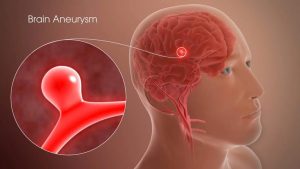
An aneurysm is a serious medical condition that often develops silently but can lead to life-threatening complications if not detected early. It occurs when a blood vessel wall weakens and bulges outward, creating a balloon-like swelling. While aneurysms can form in different parts of the body, those in the brain—known as cerebral aneurysms—are among the most dangerous. Understanding the warning signs and risk factors can help save lives.
What Is an Aneurysm?
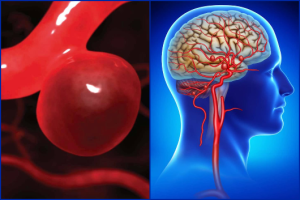
An aneurysm forms when pressure from blood flow causes a weakened section of a blood vessel to expand. Over time, this bulge can grow and may eventually rupture, leading to internal bleeding. In the brain, a ruptured aneurysm can cause a hemorrhagic stroke, which requires immediate medical attention.
Not all aneurysms rupture, but even unruptured ones can press on nearby nerves or tissues, causing noticeable symptoms.
Common Types of Aneurysms
1. Cerebral (Brain) Aneurysm
Occurs in blood vessels in the brain and can lead to stroke if ruptured.
2. Aortic Aneurysm
Forms in the aorta, the body’s main artery, often in the chest or abdomen.
3. Peripheral Aneurysm
Less common, affecting arteries in areas like the legs, arms, or neck.
Each type may present different symptoms depending on its location and size.
Early Signs You Should Not Ignore
Many aneurysms do not cause symptoms until they grow large or rupture. However, some warning signs may appear beforehand:
Severe Headaches
A sudden, intense headache—often described as the “worst headache of your life”—can signal a ruptured brain aneurysm.
Vision Problems
Blurred or double vision may occur if an aneurysm presses on nerves around the eyes.
Pain Around the Eye
Localized pain above or behind the eye can be an early indicator.
Numbness or Weakness
Weakness in one side of the face or body may suggest nerve involvement.
Difficulty Speaking
Slurred speech or trouble understanding language can occur if brain function is affected.
Symptoms of a Ruptured Aneurysm
A ruptured aneurysm is a medical emergency. Symptoms may include:
- Sudden, severe headache
- Nausea and vomiting
- Stiff neck
- Sensitivity to light
- Loss of consciousness
- Seizures
Immediate medical attention is critical, as delayed treatment can lead to permanent brain damage or death.
Risk Factors to Be Aware Of
Certain factors increase the likelihood of developing an aneurysm:
- High blood pressure: Weakens blood vessel walls over time
- Smoking: Damages arteries and increases rupture risk
- Family history: Genetic predisposition plays a role
- Age and gender: More common in adults, especially women
- Excessive alcohol use: Can raise blood pressure and strain vessels
Managing these risk factors is essential for prevention.
How Aneurysms Are Diagnosed
Doctors use imaging techniques to detect aneurysms, including:
- CT scans: Provide detailed images of the brain
- MRI scans: Help identify unruptured aneurysms
- Angiography: Offers a clear view of blood vessels
Early detection allows for monitoring or treatment before rupture occurs.
Treatment Options
Treatment depends on the size, location, and risk of rupture:
1. Monitoring
Small, unruptured aneurysms may only require regular check-ups.
2. Surgical Clipping
A procedure that blocks blood flow to the aneurysm.
3. Endovascular Coiling
A minimally invasive technique that fills the aneurysm to prevent rupture.
Doctors evaluate each case individually to determine the best approach.
Prevention and Healthy Habits
While not all aneurysms can be prevented, adopting a healthy lifestyle can significantly reduce risk:
- Maintain normal blood pressure
- Quit smoking
- Limit alcohol consumption
- Eat a balanced diet
- Exercise regularly
Regular health screenings are also important, especially for those with a family history.
When to Seek Medical Help
If you experience sudden, severe symptoms—especially a rapid-onset headache or neurological changes—seek emergency care immediately. Early intervention can be life-saving.
Conclusion
Aneurysms are often silent but potentially deadly. Recognizing early warning signs and understanding risk factors can make a critical difference. Staying informed, maintaining a healthy lifestyle, and seeking prompt medical attention when symptoms arise are key steps in protecting your health and preventing serious complications.