Headlines claiming that “cancer dies when you eat certain foods” often spread quickly online, attracting attention and hope. While nutrition plays an important role in overall health and disease prevention, it is important to separate scientific facts from exaggerated claims.
No single food can cure or eliminate cancer. However, some foods contain beneficial compounds that may help support the body, strengthen the immune system, and reduce the risk of certain diseases. This article explores the truth behind these claims and highlights foods that can contribute to a healthier lifestyle.
Understanding Cancer and Nutrition
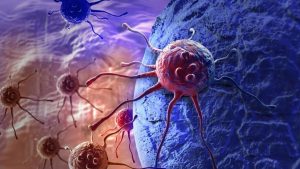
Cancer is a complex disease influenced by many factors, including genetics, lifestyle, and environmental exposure.
Diet plays a role by:
- Supporting the immune system
- Reducing inflammation
- Providing antioxidants that protect cells
However, food alone cannot replace medical treatment such as surgery, chemotherapy, or radiation.
8 Foods That Support Overall Health
While no food can “kill” cancer directly, certain foods are widely recognized for their health benefits.
1. Broccoli and Cruciferous Vegetables
Broccoli, cauliflower, and cabbage contain compounds like sulforaphane, which may help protect cells from damage.
They are known for:
- Antioxidant properties
- Supporting detoxification processes
2. Berries
Berries such as blueberries, strawberries, and raspberries are rich in antioxidants.
Benefits include:
- Fighting oxidative stress
- Supporting immune health
3. Garlic
Garlic contains sulfur compounds that may support the body’s natural defense systems.
It may help:
- Reduce inflammation
- Support cardiovascular health
4. Turmeric
Turmeric contains curcumin, a compound known for its anti-inflammatory properties.
Research suggests it may:
- Help reduce inflammation
- Support overall cellular health
5. Green Tea
Green tea is rich in polyphenols, which are plant-based antioxidants.
It may:
- Support metabolism
- Help protect cells from damage
6. Tomatoes
Tomatoes contain lycopene, a powerful antioxidant.
Lycopene is associated with:
- Supporting heart health
- Potential protective effects against certain diseases
7. Nuts and Seeds
Almonds, walnuts, and seeds provide healthy fats and nutrients.
They help:
- Support brain and heart health
- Provide essential vitamins and minerals
8. Leafy Greens
Spinach, kale, and other greens are rich in vitamins and fiber.
They contribute to:
- Improved digestion
- Overall nutritional balance
Why These Foods Matter
These foods do not “destroy” cancer cells, but they:
- Help maintain a strong immune system
- Reduce inflammation
- Support overall well-being
A healthy diet can lower the risk of chronic diseases, including some types of cancer.
The Danger of Misleading Claims
Statements like “cancer dies when you eat these foods” can be misleading and potentially harmful.
They may:
- Give false hope
- Delay proper medical treatment
- Oversimplify a complex disease
It is important to rely on evidence-based information when making health decisions.
What Doctors Recommend
Healthcare professionals emphasize a balanced approach:
- Eat a variety of fruits and vegetables
- Limit processed and high-sugar foods
- Maintain a healthy lifestyle
- Follow medical advice for screenings and treatment
Nutrition should complement—not replace—medical care.
Simple Tips for a Healthy Diet
To support your health:
- Include colorful fruits and vegetables daily
- Choose whole foods over processed options
- Stay hydrated
- Maintain portion balance
Consistency is key to long-term benefits.
Conclusion
While no food can cure cancer, a healthy diet plays an essential role in supporting the body and reducing disease risk. Foods like berries, leafy greens, and nuts provide valuable nutrients that contribute to overall well-being.
Rather than relying on sensational claims, it is better to focus on balanced nutrition and regular medical care. Understanding the truth helps you make informed decisions—and take meaningful steps toward a healthier life.