Certain foods are more prone to bacterial contamination or chemical changes, making them unsafe if stored improperly.
1. Cooked Leafy Vegetables
Vegetables like spinach, cabbage, and kale may seem harmless, but they can become risky when stored overnight.
Why?
- They contain natural nitrates
- Over time, nitrates can convert into harmful compounds
- Reheating may worsen the effect
It’s best to consume these vegetables fresh after cooking.
2. Seafood
Seafood is highly perishable and spoils quickly.
Risks include:
- Rapid bacterial growth
- Strong toxins that may not be eliminated by reheating
If seafood is not stored properly or kept too long, it can cause serious digestive issues.
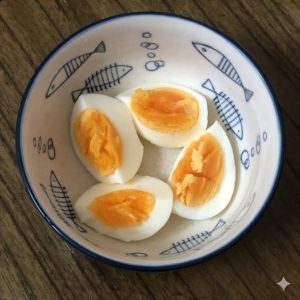
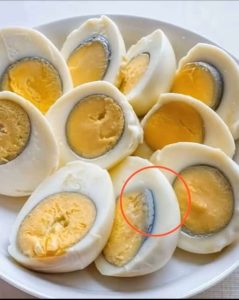
3. Eggs and Egg-Based Dishes
Cooked eggs, omelets, and dishes like mayonnaise-based salads can become unsafe if left too long.
They are prone to:
- Bacterial contamination
- Changes in protein structure
Always store egg dishes properly and consume them as soon as possible.
4. Mushrooms
Mushrooms are sensitive to storage conditions.
When kept overnight:
- Their protein structure may break down
- They can become difficult to digest
- Bacteria may develop if not refrigerated correctly
Fresh consumption is recommended for best safety.
5. Rice and Starchy Foods
Cooked rice and similar foods can harbor bacteria like Bacillus cereus.
Even after cooking:
- Spores can survive
- Toxins may form if left at room temperature
Refrigeration helps, but improper handling can still lead to food poisoning.
Proper Food Storage Tips
To reduce risks, follow these basic food safety guidelines:
1. Cool Food Quickly
Do not leave food at room temperature for more than 2 hours.
2. Store in Airtight Containers
This prevents contamination and slows bacterial growth.
3. Keep the Fridge at the Right Temperature
Maintain a temperature below 5°C (41°F).
4. Reheat Thoroughly
Ensure food is heated evenly before consumption.
Signs That Food Has Gone Bad
Always check leftovers before eating. Discard food if you notice:
- Sour or unusual smell
- Slimy or sticky texture
- Mold or discoloration
When in doubt, it’s safer to throw it away.
Who Is Most at Risk?
Food poisoning can affect anyone, but certain groups are more vulnerable:
- Older adults
- Children
- Pregnant women
- People with weakened immune systems
For these individuals, extra caution is essential.
Balancing Safety and Reducing Waste
While avoiding waste is important, food safety should always come first. Instead of keeping risky leftovers:
- Cook smaller portions
- Plan meals more carefully
- Freeze food if it cannot be eaten soon
These steps help reduce waste without compromising health.
Conclusion
Leftovers can be convenient, but they are not always safe. Certain foods—especially seafood, eggs, and leafy vegetables—can become harmful if stored improperly or kept too long.
By understanding the risks and following proper storage practices, you can enjoy your meals safely while protecting your health. Remember, when it comes to food safety, it’s always better to be cautious than to take unnecessary risks.