
Baba Vanga’s 6 predictions about the world in 2026: some have already come true.
Baba Vanga, often referred to as the “Nostradamus of the Balkans,” remains one of the most talked-about mystics in modern…
28/03/2026 02:32
Have you ever peeled a boiled egg and noticed a green or gray ring forming around the yolk? This unusual discoloration can be surprising—and even concerning—for many people. Some might assume the egg has gone bad or is unsafe to eat. However, the truth is much simpler and far less alarming. This article explains why the green ring appears, whether it poses any health risks, and how you can prevent it in the future.
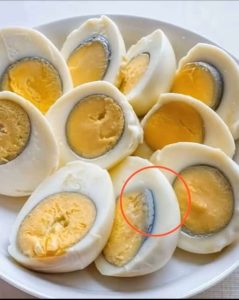
The greenish-gray ring around a hard-boiled egg yolk is the result of a natural chemical reaction between sulfur and iron.
Here’s how it happens:
This reaction is more likely to occur when eggs are overcooked or cooled too slowly after boiling.
Yes—the green ring is completely harmless.
Despite its unusual appearance:
The only noticeable difference may be a slightly stronger sulfur smell or a drier texture in the yolk.
While the egg remains safe, overcooking can impact quality.
You may notice:
For the best eating experience, it’s ideal to avoid overcooking.
Several cooking habits increase the chances of a green ring forming:
Leaving eggs in boiling water for extended periods is the most common cause.
Cooking eggs at a rolling boil instead of a gentle simmer can speed up the reaction.
Failing to cool eggs immediately after cooking allows the reaction to continue.
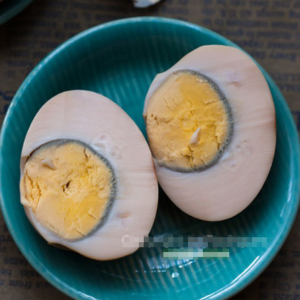
Fortunately, preventing this discoloration is simple with proper cooking techniques.
After cooking:
This stops the cooking process and prevents the chemical reaction from continuing.
Ensure eggs cook evenly by giving them enough space.
Yes, older eggs are slightly more prone to this reaction.
As eggs age:
However, cooking method remains the most important factor.
Even with a green ring, boiled eggs remain highly nutritious.
They are rich in:
Eggs are also a convenient and affordable source of essential nutrients.
While the green ring is harmless, you should be cautious if:
These signs may indicate spoilage, which is different from the harmless green ring.
Seeing a green or gray ring around an egg yolk can be surprising, but it is not a cause for concern. It simply results from a natural reaction between sulfur and iron during overcooking. While it may affect the texture and appearance, the egg remains safe and nutritious.
By adjusting your cooking methods—such as controlling heat and cooling eggs quickly—you can easily prevent this from happening. With just a few simple steps, you can enjoy perfectly cooked eggs every time, both visually appealing and delicious.
Baba Vanga, often referred to as the “Nostradamus of the Balkans,” remains one of the most talked-about mystics in modern…

Fordyce spots are one of those things most people notice but rarely understand. Have you ever spotted tiny white or…
Have you ever peeled a boiled egg and noticed a green or gray ring forming around the yolk? This unusual…

If you’ve ever stayed in a hotel, you’ve probably noticed a decorative strip of fabric placed neatly across the foot…

Saying goodbye to a loved one is one of the most emotional moments in life. In many cultures, touching or…

Losing a loved one is one of the most emotional experiences anyone can face. During this time, families often hold…